
You’ve just had your cartilage pierced, or you’re hovering over the booking button and thinking, “How long is this going to take to heal, really?” That’s the moment most first-time clients are in. You love the look. You want the piercing. You also don’t want months of stress, mixed advice, and panic every time the ear feels sore.
That concern is normal. Cartilage piercing heal is slower than lobe healing, and that catches people off guard. A new helix or conch can look calm one week, then grumble the next because you slept on it, caught it with headphones, or changed the jewellery too early.
At Timebomb Tattoo & Piercing, clients in Croydon and Bournemouth often ask the same things. Is this redness normal? Why does it still hurt months later? When can I swap to a hoop? Those are good questions, and the answers are usually less scary than the internet makes them sound.
A well-done cartilage piercing can heal beautifully. The trick is patience, good jewellery, and aftercare that stays simple.
Your New Cartilage Piercing and What Happens Next
You leave the studio, check your reflection three times, and then the practical thoughts begin. Can I sleep on this? Is that swelling normal? What if I knock it while brushing my hair? That first day is usually a mix of excitement and overthinking.
Most first-time clients expect a cartilage piercing to behave like a lobe piercing. It doesn’t. Cartilage tends to be fussier, slower, and easier to irritate. That doesn’t mean something is wrong. It means the tissue needs more time and more respect.
What the first few days usually feel like
A fresh cartilage piercing often feels warm, tender, and slightly swollen. You might notice the area feels “aware” of itself all the time, especially when you talk on the phone, pull a top over your head, or tuck your hair back.
That’s a normal early response. Your body has recognised a wound and started repair work.
Practical rule: If your new piercing feels noticeable, that’s expected. If it feels impossible to ignore and keeps worsening, get it checked by a professional piercer.
Why people get confused so quickly
Cartilage healing isn’t a straight line. It has good days and grumpy days. Many people assume healing should steadily improve with no setbacks, but that’s not how this tissue behaves.
Common examples include:
- Sleeping pressure: You wake up after rolling onto that side and the piercing suddenly feels sore again.
- Hair and clothing snags: A tiny catch can irritate tissue that was settling nicely.
- Early confidence: The outside can look far better before the inside is fully strong.
This is why reassurance matters. A calm-looking piercing isn’t always a healed piercing, and a mildly irritated one isn’t always a disaster.
The goal is a stable piercing, not just a pretty one
The best outcome isn’t just “it looks fine in photos.” The best outcome is a piercing that stays comfortable, handles jewellery changes properly, and doesn’t keep flaring up.
That takes time, especially in areas like Croydon and Bournemouth where local lifestyle habits can affect ears more than people expect. Earbuds, hats, helmets, humid weather, seaside air, and side sleeping all play a part.
If you understand the stages, the timeline, and the warning signs, the process feels much more manageable. That’s when cartilage piercing heal stops feeling mysterious and starts feeling doable.
Understanding The Cartilage Healing Journey
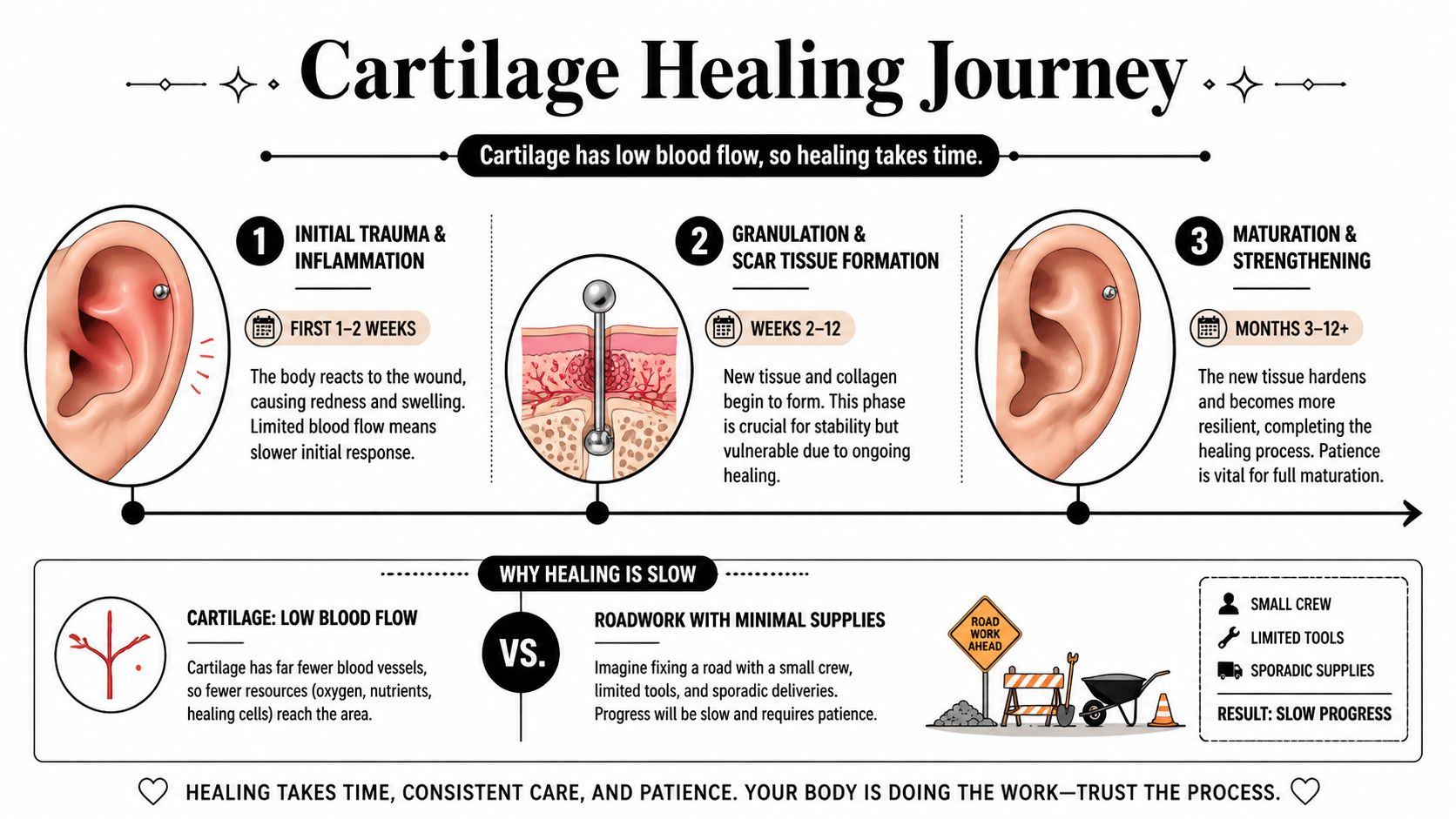
Cartilage takes longer because it doesn’t have the same direct blood supply as soft tissue. According to UK piercing guidance from Holier Than Thou on piercing healing times, cartilage piercings such as helix and conch typically take 3 to 6 months to heal initially, while full internal healing can take 12 months or longer. The same guidance notes that earlobes can heal in about 6 weeks, and that poor aftercare is behind most complications.
That difference is the key to understanding everything else.
Why cartilage is so slow
Think of healing like road repairs. A lobe is like fixing a pothole in the middle of town, with vans, workers, and supplies arriving quickly. Cartilage is more like repairing a mountain pass with one narrow supply route. The work still gets done, but it happens more slowly and any disruption causes delays.
That slower supply line is why cartilage can stay temperamental for longer. It also explains why something minor, like pressure from sleep or snagging with a jumper, can make the area react again.
The inflammatory phase
This is the body’s immediate reaction after the piercing. The tissue becomes red, swollen, tender, and sometimes slightly warm. That doesn’t automatically mean infection. It usually means the body has started the clean-up and protection stage.
You’ll often notice this most strongly in the first 1 to 2 weeks, which is also consistent with the early inflammation window described in UK healing guidance.
Typical signs in this phase include:
- Redness around the entry and exit points
- A throbbing or stinging feeling
- Mild swelling that makes the jewellery feel snug
- Clear or pale drying fluid that forms little crusts
Crusts can alarm people. They’re often just dried wound fluid and part of normal healing.
The proliferative phase
This is the rebuilding stage. Your body starts producing new tissue to line the channel around the jewellery. From the outside, things may start looking much calmer. From the inside, the piercing is still delicate.
That’s where a lot of mistakes happen. A client looks at their ear at a few weeks or a couple of months and thinks, “That seems healed enough.” Internally, it often isn’t.
The outside settles before the inside catches up. That’s why early jewellery changes cause so many avoidable problems.
During this stage, the ear usually becomes less red but more easily irritated by friction. Small bumps, soreness after being knocked, or temporary swelling after sleeping on it can all show up here.
The maturation phase
This is the strengthening stage. The tissue channel becomes more organised and resilient. It handles movement better, but that doesn’t mean rough treatment is fine. It means the piercing is becoming stable.
In practical terms, this is the long middle-to-late stretch where clients get impatient. The piercing often seems mostly fine, yet still complains after pressure, trauma, or low-quality jewellery.
A few useful ways to consider it:
| Phase | What your body is doing | What you usually notice |
|---|---|---|
| Inflammatory | Protecting and cleaning the wound | Swelling, redness, tenderness |
| Proliferative | Building the new channel | Less redness, but still fragile |
| Maturation | Strengthening and settling | More comfort, fewer flare-ups |
What healing is supposed to feel like
A healthy cartilage piercing usually improves in waves, not in a perfect straight line. It can be calm for days, then mildly annoyed for a day after pressure or accidental contact. That pattern is common.
What matters is the overall direction. If the ear is generally settling, the soreness is manageable, and irritation has an obvious cause, healing is likely continuing as expected.
A Realistic Cartilage Piercing Healing Timeline
Clients usually want one simple answer. “How long until it’s healed?” The honest answer depends on placement, pressure, and how consistently you care for it.
Some cartilage piercings are relatively straightforward. Others, like an industrial, ask for a lot more patience because they involve more tissue and more angles that can be irritated.
What to expect by stage
The first week is usually the noisiest. Swelling, tenderness, and a bit of redness are common. The ear may feel fine while sitting still, then suddenly sore when you catch it with a towel or lean on it by accident.
By the first month, the dramatic swelling often calms down. You may still get dried discharge, slight tenderness, or random soreness after knocking it. This is also the point where people are tempted to stop babying it because it looks much better.
Months three to six are the misleading stage. The piercing can look settled on the outside but still be fragile inside. That’s why changing jewellery based on appearance alone often backfires.
Healing times by placement
UK guidance from Labret on ear piercing healing timelines notes that tragus and conch often take 6 to 9 months, while forward helix and rook often take 6 to 12 months. The same guidance says cartilage healing often continues beyond 6 months when the piercing is exposed to pressure from pillows or earbuds.
Here’s a practical reference table for common placements:
| Piercing Type | Average Full Healing Time |
|---|---|
| Helix | 3 to 9 months |
| Conch | 6 to 9 months |
| Tragus | 6 to 9 months |
| Daith | 6 to 12 months |
| Rook | 6 to 12 months |
| Industrial | 9 to 12 months or longer |
The moment people get overconfident
A cartilage piercing often reaches a stage where it stops demanding attention every day. That’s not the same as being ready for anything. If you swap to a ring too early, sleep on it regularly, or wear earbuds that press against it, you can kick the piercing backwards.
Common turning points include:
- Around a few weeks: “It doesn’t hurt much now, so I’ll leave aftercare off.”
- Around a few months: “It looks healed, so I’ll change it myself.”
- After one flare-up: “It must be infected.”
Usually, the issue is irritation rather than a major problem.
If a piercing is calm until something presses, pulls, or bumps it, think irritation first and panic last.
Why local conditions matter
If you’re healing in Bournemouth or Croydon, local conditions can make the timeline feel longer. Humidity, sweat, sea air, and busy daily routines can keep ears slightly more reactive than expected. That’s one reason generic advice can feel too vague. Real-life healing depends on your habits, not just your anatomy.
The best mindset is this: use the published timeline as a broad guide, then judge your own piercing by stability. If it still gets sore with pressure, still forms crusts now and then, or still flares after a snag, it’s still healing.
Essential Aftercare for a Smooth Recovery
Simple aftercare works best. People often think a struggling piercing needs more products, more cleaning, and more intervention. Usually it needs less fuss, not more.
UK aftercare guidance from Pierced and Lovely on cartilage healing recommends sterile saline sprays (0.9% NaCl) twice daily rather than soap-based cleaning. The same guidance also advises longer initial posts of 8 to 10mm and downsizing only after a piercer’s appraisal to reduce embedding risk.
What you should do
Most healthy aftercare fits into a short routine.
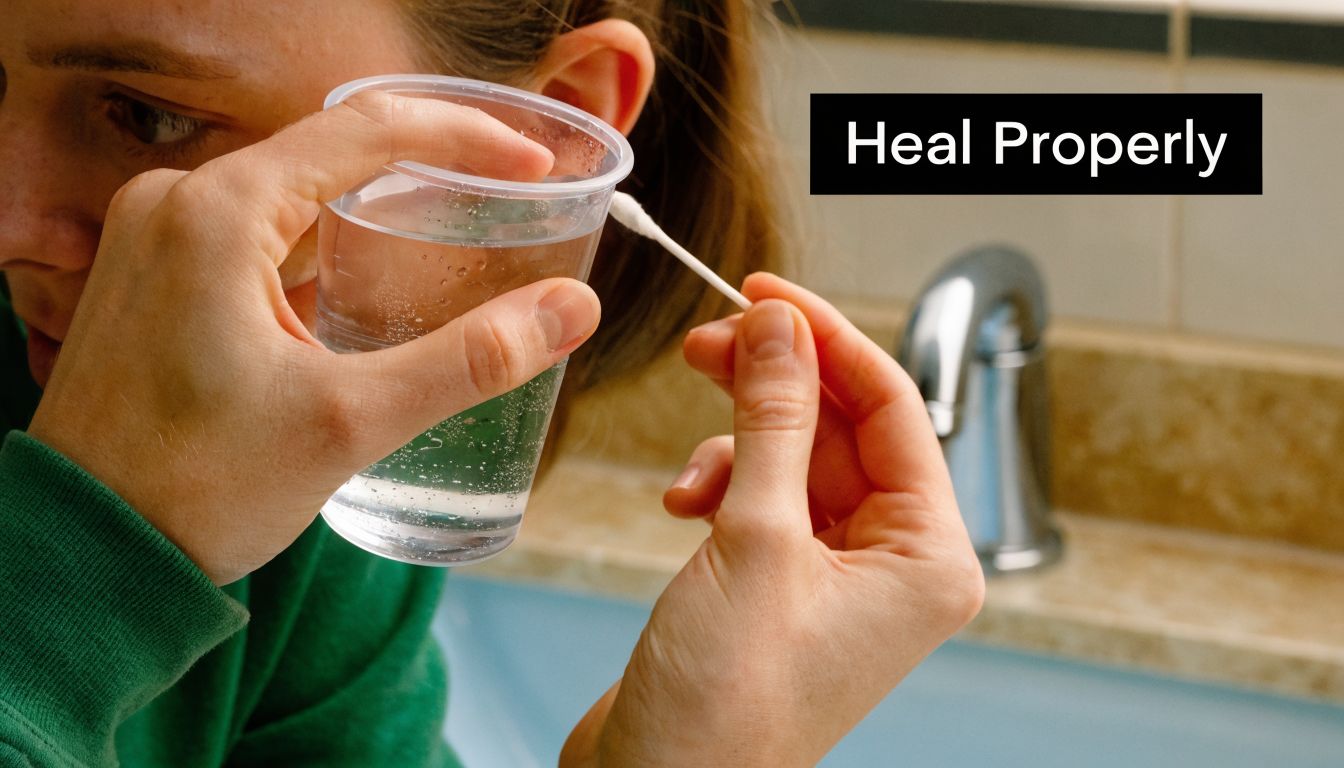
- Use sterile saline: Choose a sterile saline wound wash labelled 0.9% NaCl. Spray gently onto the piercing.
- Clean consistently: Twice daily is the standard recommendation in the UK guidance above.
- Let warm water rinse the area in the shower: This helps soften any dried matter without scrubbing.
- Dry gently: Use clean gauze or let it air dry. Be careful with fluffy towels that can catch.
If your jewellery feels a bit crusty, don’t pick at it dry. Let the saline or shower water soften the area first.
What good cleaning actually looks like
People often over-clean. Proper care is gentle.
- Wash your hands.
- Spray the front and back with sterile saline.
- Let it sit briefly.
- Rinse lightly in the shower if needed.
- Dry carefully.
- Leave the jewellery alone.
No twisting. No spinning. No “making sure it doesn’t stick.”
That old advice causes a lot of irritation because it keeps reopening tissue that’s trying to settle.
What you must avoid
Bad aftercare is often well-meant. Friends, family, and old internet posts pass around routines that sound useful but make healing harder.
Avoid these:
- Sleeping on it: Pressure is one of the biggest setbacks for cartilage.
- Touching it casually: If you keep checking whether it hurts, you keep giving it a reason to hurt.
- Alcohol, peroxide, or harsh soaps: These can dry and irritate the tissue.
- Creams and ointments: They trap moisture and debris.
- Earbuds, tight hats, or over-ear pressure: These can create ongoing friction.
- Changing jewellery early: The channel may look ready long before it is.
The LITHA mindset
Piercers often use a simple phrase. Leave It The Heck Alone. That’s the heart of successful healing.
A calm piercing is usually a piercing that hasn’t been fiddled with.
That doesn’t mean neglect. It means careful, minimal, consistent care. Clean it properly, protect it from pressure, and don’t keep testing it.
Why jewellery choice matters during healing
Starter jewellery should make room for swelling. That’s why a slightly longer post is often used at first. Once swelling settles, a piercer can assess whether it’s time to downsize. A post that is too short too early can press into tissue. A post left too long for too long can catch and move more than it should.
This is one reason professional check-ins matter. Healing isn’t only about cleaning. It’s also about whether the jewellery still fits what your ear is doing now.
Troubleshooting Common Cartilage Healing Problems
Even when you’ve done everything sensibly, cartilage can still misbehave. That’s frustrating, but it’s common. The important part is knowing the difference between irritation, infection, and movement of the jewellery.
In humid southern UK areas, local conditions can complicate healing. Cartilage piercings commonly take 9 months or more to heal fully, and some stay inflamed for longer. That’s why local aftercare advice matters.
Irritation bump or infection
These get confused all the time.
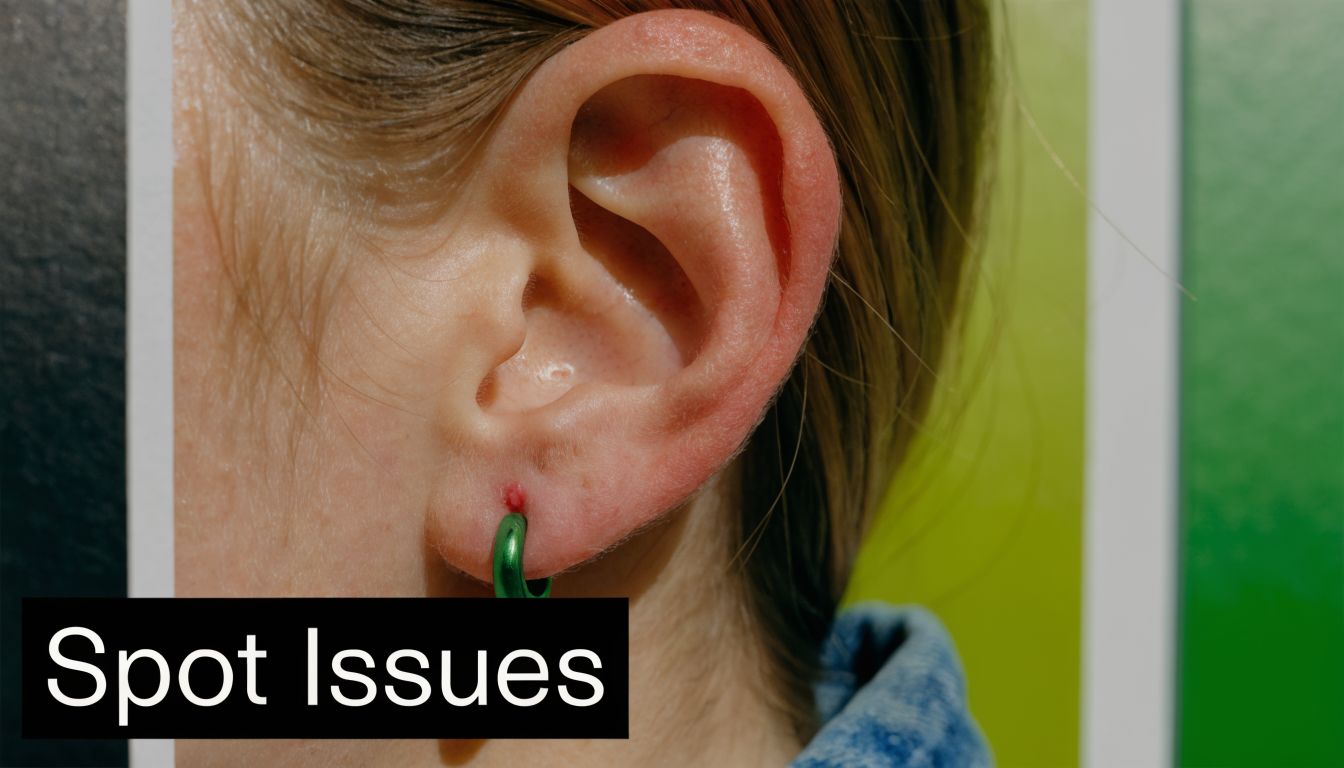
An irritation bump is often linked to pressure, movement, poor jewellery fit, or cleaning that’s too harsh. It may look raised, pink or red, and localised near the piercing channel. It’s annoying, but it isn’t automatically dangerous.
An infection usually feels more aggressive. The area may become increasingly hot, painful, and swollen, with symptoms that don’t match a simple knock or pressure flare-up. If you’re worried about infection, contact your piercer promptly and seek medical advice when appropriate.
A useful comparison:
| Problem | More likely signs |
|---|---|
| Irritation | Local bump, soreness after pressure, flare-ups after snagging |
| Infection | Spreading heat, worsening pain, feeling unwell, significant swelling |
| Migration | Jewellery looks shallower over time, more bar becoming visible |
| Rejection | Tissue thins, jewellery shifts outward, area stays angry |
When soreness months later is still normal
A cartilage piercing can get sore months into healing. That alone doesn’t mean failure. If the cause is obvious, such as sleeping on it, wearing headphones against it, or catching it with a hairbrush, a flare-up is often just irritation.
What matters is whether it settles again once the cause is removed.
Signs your jewellery fit may be part of the problem
Sometimes the issue isn’t your cleaning. It’s the jewellery length or style.
Watch for:
- The post pressing tightly into swollen tissue
- The disc or end sinking in
- Excess movement from a post that’s now too long
- A ring moving too much for a still-healing piercing
These are reasons to see a piercer rather than trying to solve it yourself at home.
Don’t self-diagnose from a random photo online. A proper in-person assessment is safer and usually much more accurate.
Get help early
If something looks off, ask. It’s easier to calm a problem in its early stage than after weeks of guessing.
For support from Timebomb Tattoo & Piercing, call 01202 900050 (Bournemouth) / 020 8686 7730 (Croydon) or message WhatsApp 07752 913846 (Bournemouth) / 07902 490584 (Croydon). If the area seems severely swollen, increasingly painful, or medically concerning, seek appropriate medical care as well.
The Timebomb Piercing Promise for Safe Healing
A cartilage piercing doesn’t start healing well by luck. It starts healing well because the procedure, jewellery, and aftercare are done properly from the beginning.
That’s where studio standards matter. The safest aftercare routine in the world can’t fully make up for poor technique, unsuitable jewellery, or a rushed appointment.
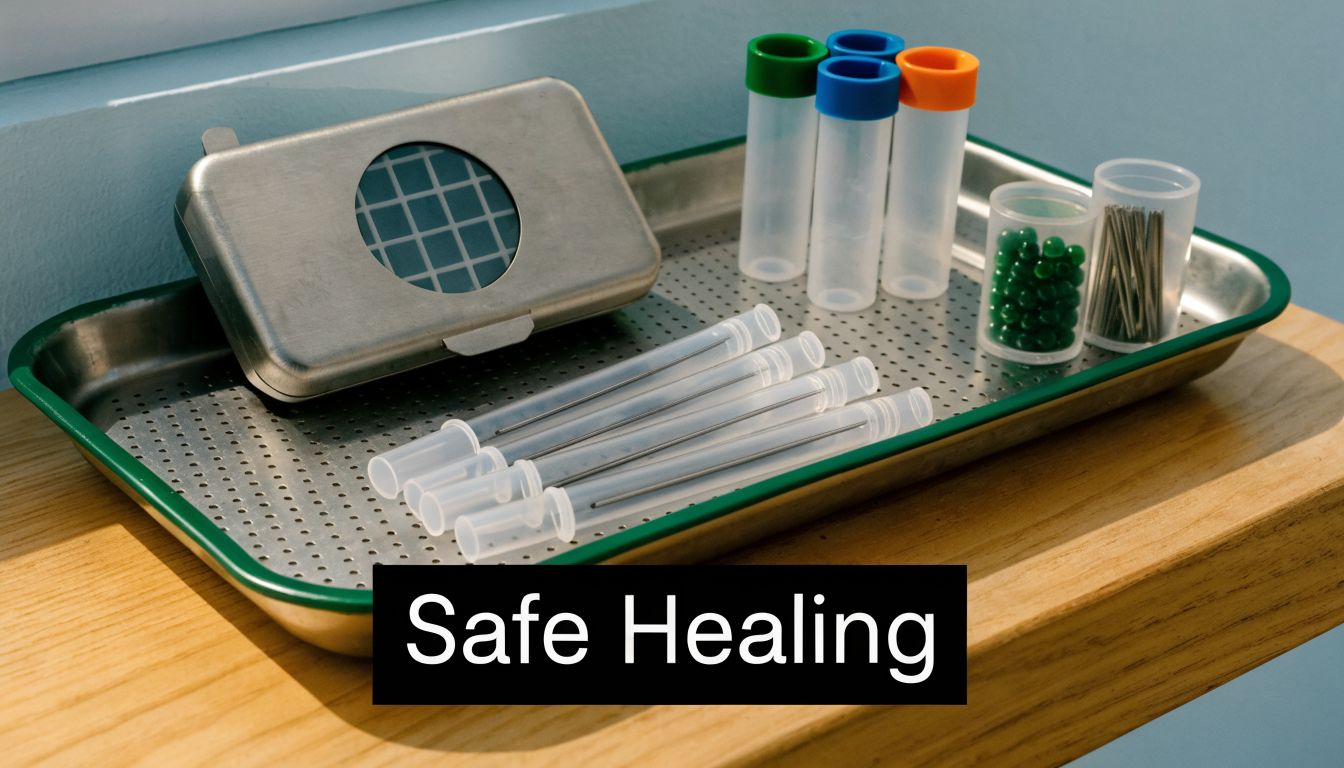
Why professional setup matters on day one
Timebomb Tattoo & Piercing focuses on the basics that directly affect healing. That means sterile single-use needles, careful placement, and jewellery chosen for swelling and comfort rather than just appearance.
The studio also works with implant-grade jewellery standards that support better healing outcomes. That finding supports the value of the standards Timebomb already prioritises for healing-focused setups.
The jewellery choice that helps, not hinders
For a fresh cartilage piercing, jewellery should do a few jobs at once:
- Sit securely without excess pressure
- Allow for early swelling
- Minimise snagging
- Use implant-grade material
That’s why starter jewellery often isn’t the flashy hoop people imagine. A well-fitted stud with appropriate room is usually the better healing tool.
Support that makes first-time clients feel less lost
A lot of clients don’t need more bravery. They need clearer guidance. Good piercing care is part biology and part coaching. You need someone to tell you that random soreness can be normal, that pressure matters more than you think, and that changing jewellery too early is one of the most common mistakes.
Timebomb’s approach is helpful for first-time clients because the guidance is practical. If you live in Bournemouth, local humidity and coastal habits can affect healing. If you’re in Croydon, earbuds, commuting, hats, and busy routines may be the bigger issue. The advice should match real life.
Why this matters for cartilage piercing heal
Cartilage piercing heal is easier when the whole process is built around healing, not just the piercing moment. Better jewellery, sterile technique, clear aftercare, and proper follow-up all reduce the chance that you’ll spend months trying to calm a preventable problem.
If you need advice before booking, after your piercing, or when something doesn’t feel right, you can contact Timebomb Tattoo & Piercing on 01202 900050 (Bournemouth) / 020 8686 7730 (Croydon) or WhatsApp 07752 913846 (Bournemouth) / 07902 490584 (Croydon).
Your Next Steps and Piercing FAQs
If you remember one thing, let it be this. Cartilage healing rewards patience. The clients who do best are usually not the ones who do the most. They’re the ones who keep care gentle, protect the ear from pressure, and ask for help before small problems become bigger ones.
A cartilage piercing can be slow, but slow doesn’t mean bad. It means your body is doing careful work in a stubborn bit of tissue.
Common questions people ask
When can I change my jewellery
Don’t change it just because it looks settled. Healing inside takes longer than healing outside. If you’re unsure, let a piercer assess it first. That’s especially important with helix, rook, conch, tragus, and industrial placements.
Can I sleep on a new cartilage piercing
It’s best not to. Side pressure is one of the most common causes of bumps, swelling, and delayed healing. If you’re a side sleeper, use strategies that keep the ear suspended rather than pressed into the pillow.
Is it normal for the piercing to get sore again later
Yes, that can happen. Cartilage often flares after pressure, snagging, headphones, or accidental knocks. A brief return of soreness doesn’t automatically mean infection.
Can I swim with a fresh cartilage piercing
Be cautious with any water that may expose the piercing to contamination or prolonged moisture. Fresh cartilage does best when kept clean, dry, and undisturbed as much as possible.
When should I message my piercer
Reach out if the area is getting more painful, more swollen, or more irritated without a clear reason, or if the jewellery seems too tight or unusually mobile. It’s always easier to assess early.
A simple checklist for the next few months
- Keep cleaning gentle
- Use sterile saline as advised
- Avoid sleeping on the piercing
- Don’t change jewellery early
- Check in if fit, swelling, or bumps worry you
Healing ears don’t need bravery. They need consistency.
If you’re ready to book, want placement advice, or need someone to assess a healing issue, contact Timebomb Tattoo & Piercing on 01202 900050 (Bournemouth) / 020 8686 7730 (Croydon) or WhatsApp 07752 913846 (Bournemouth) / 07902 490584 (Croydon). A quick professional check can save a lot of guesswork.
If you’re looking for a safe, professional studio and want clear help before or after your appointment, visit Piercing Near Me to explore trusted options and connect with Timebomb Tattoo & Piercing in Croydon and Bournemouth.