
You’ve probably done the same thing most first-time clients do. You’re scrolling photos, you spot a septum ring that looks perfect, and then the same question lands every time. How much is this going to hurt?
That worry is normal. I hear it in both Croydon and Bournemouth almost every day, especially from people who love the look but have built the pain up in their head for weeks before booking.
The honest answer is reassuring. A septum piercing usually feels sharp, quick, and much shorter than people expect. The stories that make it sound brutal often come from bad placement, poor technique, or people describing the anticipation more than the piercing itself. When you’re with an experienced piercer who knows exactly where to place it, the experience is far more manageable.
At Timebomb Tattoo & Piercing, that’s the part we take seriously. We slow things down, explain what’s happening, use single-use sterile needles and implant-grade titanium jewellery, and make sure you feel looked after from the first chat to the aftercare check-in. If you want to ask anything before booking, you can call 01202 900050 (Bournemouth) / 020 8686 7730 (Croydon) or message WhatsApp 07752 913846 (Bournemouth) / 07902 490584 (Croydon).
Your Guide to Septum Piercing Pain
Most nervous clients don’t need hype. They need a clear answer.
A well-placed septum piercing is often less dramatic than people expect because it should go through the soft tissue known as the sweet spot, not the harder cartilage higher up in the nose. That one detail changes the whole experience. Instead of a drawn-out cartilage pain, a fast pinch is typically felt, followed by a bit of tenderness afterwards.
A lot of first-timers also confuse two different things. One is the pain of the piercing itself. The other is the body reaction that happens around it. Your eyes may water. You may feel like you need to sneeze. That doesn’t automatically mean the pain is severe. It’s often just your nose reacting.
A nervous client usually feels more stress before the piercing than during it.
That’s why good piercing care starts before the needle comes out. We talk you through placement, jewellery, breathing, and what the sensation is likely to feel like in plain English. No mystery. No scare tactics.
What people usually want to know first
Before they sit in the chair, individuals often ask versions of the same questions:
- Will it hurt more than a nostril piercing? Usually it’s in a similar range when done correctly.
- Will I cry? Maybe. Plenty of people do. It’s a reflex, not a sign you can’t handle it.
- Is it a good first facial piercing? For many people, yes, because the actual piercing moment is brief.
- What makes it worse? Bad placement, low-quality jewellery, and going in tired, hungry, or tense.
If you’re excited but a bit shaky, you’re in the right mindset already. You’re taking it seriously, and that usually leads to a better experience.
The Septum Piercing Pain Scale Explained
The simplest way to understand the septum piercing pain level is to put it on a scale you can picture.
In UK piercing practice, septum piercings placed through the columella sweet spot are typically rated 4 to 6 out of 10, with the piercing itself feeling like an intense pinch for 1 to 3 seconds. Good technique that goes through the soft "sweet spot" rather than the cartilage makes a septum piercing far more comfortable.
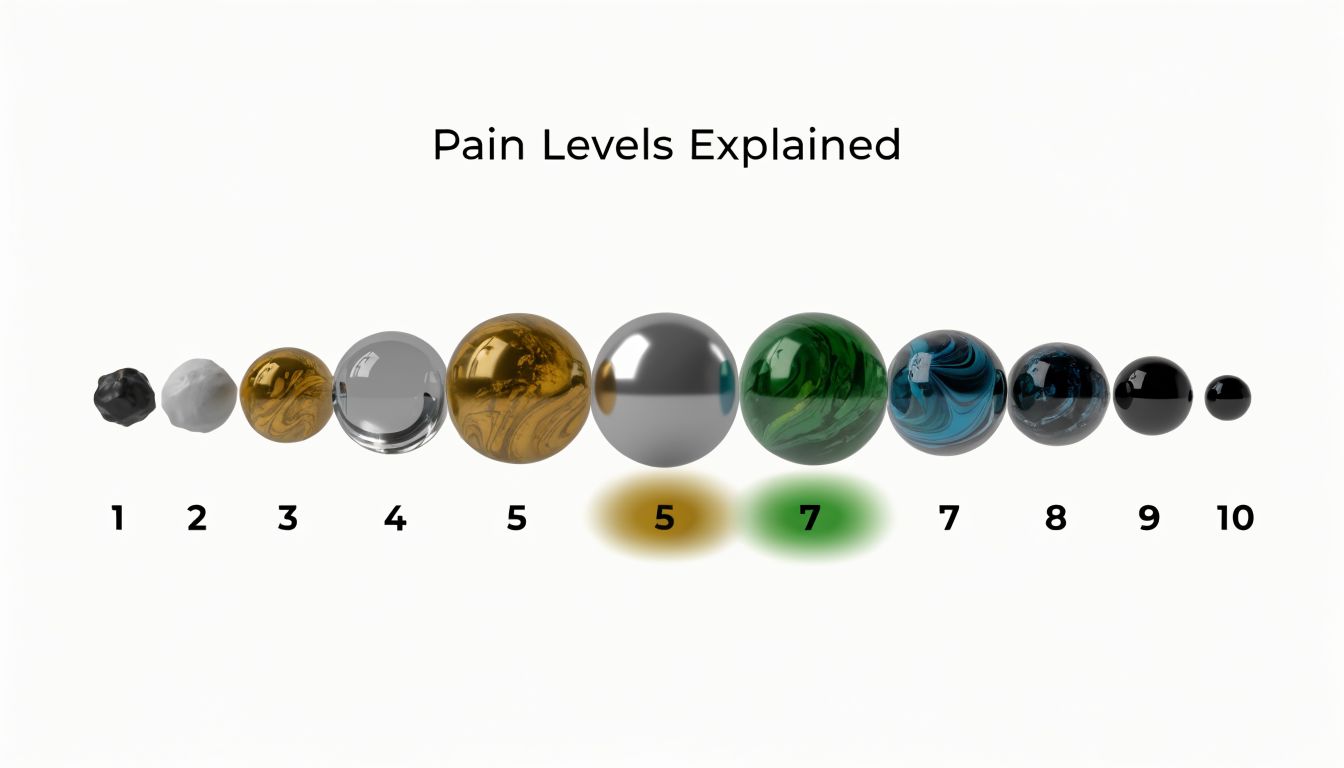
That rating matters because many people expect something much higher. They imagine the needle pushing through thick cartilage in the middle of the nose. That isn’t the goal of a properly placed septum piercing.
What a 4 to 6 out of 10 feels like
Pain scales can sound abstract, so let’s translate it into normal language.
A septum piercing often feels like this:
- At the exact moment of piercing: a sharp pinch with pressure
- Right after: warmth, eye watering, and a strange nose-sensitive feeling
- A few minutes later: mild throbbing or awareness rather than strong pain
For many clients, the surprise is how fast it’s over. The build-up lasts longer than the piercing itself.
Practical rule: If your piercer has found the right spot, the sharp part should be brief, not drawn out.
Why your eyes water even if you’re coping well
This catches people off guard. They feel the pinch, their eyes water instantly, and they think, “That must have been awful.”
Usually, it just means your nose has a lot of sensitive nerve pathways. The nose is reactive. Your body may produce tears even when you’re handling the pain perfectly well. It’s a reflex, not a review of your bravery.
What the number doesn’t tell you
A pain score only gives part of the story. Two clients can both call it a 5 out of 10 and mean different things. One might say it was sharp but easy. Another might say it was unpleasant but over so quickly that they’d do it again without hesitation.
That’s why I tell nervous clients to focus on duration and quality, not just the number. Septum pain is usually quick and clean. It isn’t normally the sort of pain that keeps building.
Four Key Factors That Influence Septum Pain
If one person says their septum was easy and another says theirs was rough, the difference usually comes down to a few specific variables. Pain isn’t random. In piercing, it often follows technique, anatomy, jewellery, and preparation.
Anatomy matters more than people realise
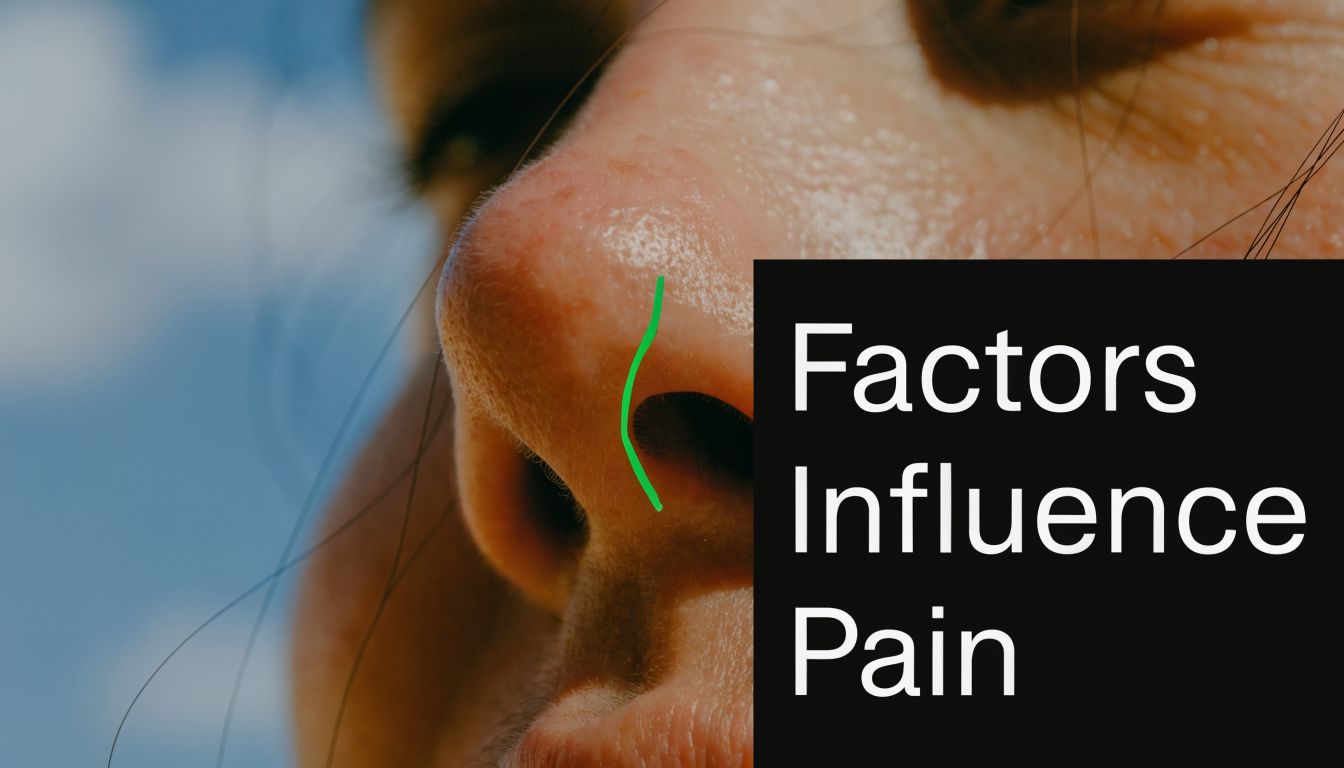
The most important factor is whether your anatomy gives a clear, workable sweet spot.
That area is the softer tissue toward the front underside of the septum. If your piercer places the jewellery there, the piercing tends to feel much cleaner and heal more predictably. If placement drifts into cartilage, pain usually feels harsher and more stubborn. This is one reason a proper in-person assessment matters. Not every nose is identical, and good piercers don’t guess.
Piercer technique changes the whole experience
Experience shows up in very small details. How the tissue is assessed. How calmly the piercer positions you. How smoothly the needle passes. How fast the jewellery transfer happens.
A rushed or uncertain piercing often feels worse because your body tenses before the needle even moves. A confident piercer keeps the moment controlled. That doesn’t mean you feel nothing. It means the sensation is shorter, cleaner, and less traumatic.
Here’s what skilled technique usually includes:
- Careful placement check so the target tissue is correct
- Steady hand movement to avoid unnecessary tissue drag
- Clear breathing guidance so you don’t tighten up at the wrong moment
- Efficient jewellery insertion with no fumbling at the end
Jewellery quality affects both comfort and healing
The starter piece matters. Cheap, poor-finish jewellery can create more irritation from day one. For fresh septum piercings, we strongly favour implant-grade titanium because it’s reliable, body-safe, and well suited to sensitive tissue.
Good jewellery doesn’t magically remove the pinch of getting pierced. What it does do is make the area easier for your body to settle around. That usually means less irritation in the early days and a calmer healing process.
If you’re trying to make the experience easier, don’t focus only on the needle. Focus on what stays in the piercing afterwards.
Your condition on the day makes a difference
This one gets overlooked. The same piercing can feel very different depending on how you show up.
If you arrive dehydrated, anxious, low on sleep, or running on an empty stomach, your body is already under strain. If you arrive fed, hydrated, and calm enough to follow breathing instructions, the whole process often feels more manageable.
A simple before-appointment checklist helps:
- Eat beforehand so you’re not shaky
- Drink water so you’re not dried out
- Avoid alcohol before the appointment because it can complicate the experience
- Wear comfortable clothing so you’re not distracted
- Give yourself time so you don’t arrive flustered
Pain isn’t only about sensitivity. It’s also about context. Good placement, good materials, and a calm client usually lead to the best version of the piercing experience.
How Septum Pain Compares to Other Piercings
Comparison helps more than a generic pain score. If you’ve had a lobe done, or you know someone with a helix, that gives you a frame of reference.
In UK studios, septum piercings are generally rated 4 to 6 out of 10, similar to nostril piercings and lower than helix piercings at 6 to 8 out of 10. The initial sensation is described as a sharp pinch lasting 1 to 3 seconds, followed by 2 to 4 out of 10 soreness for the first 1 to 3 days, according to the UK piercing pain guide from Stretch It Body Jewellery.
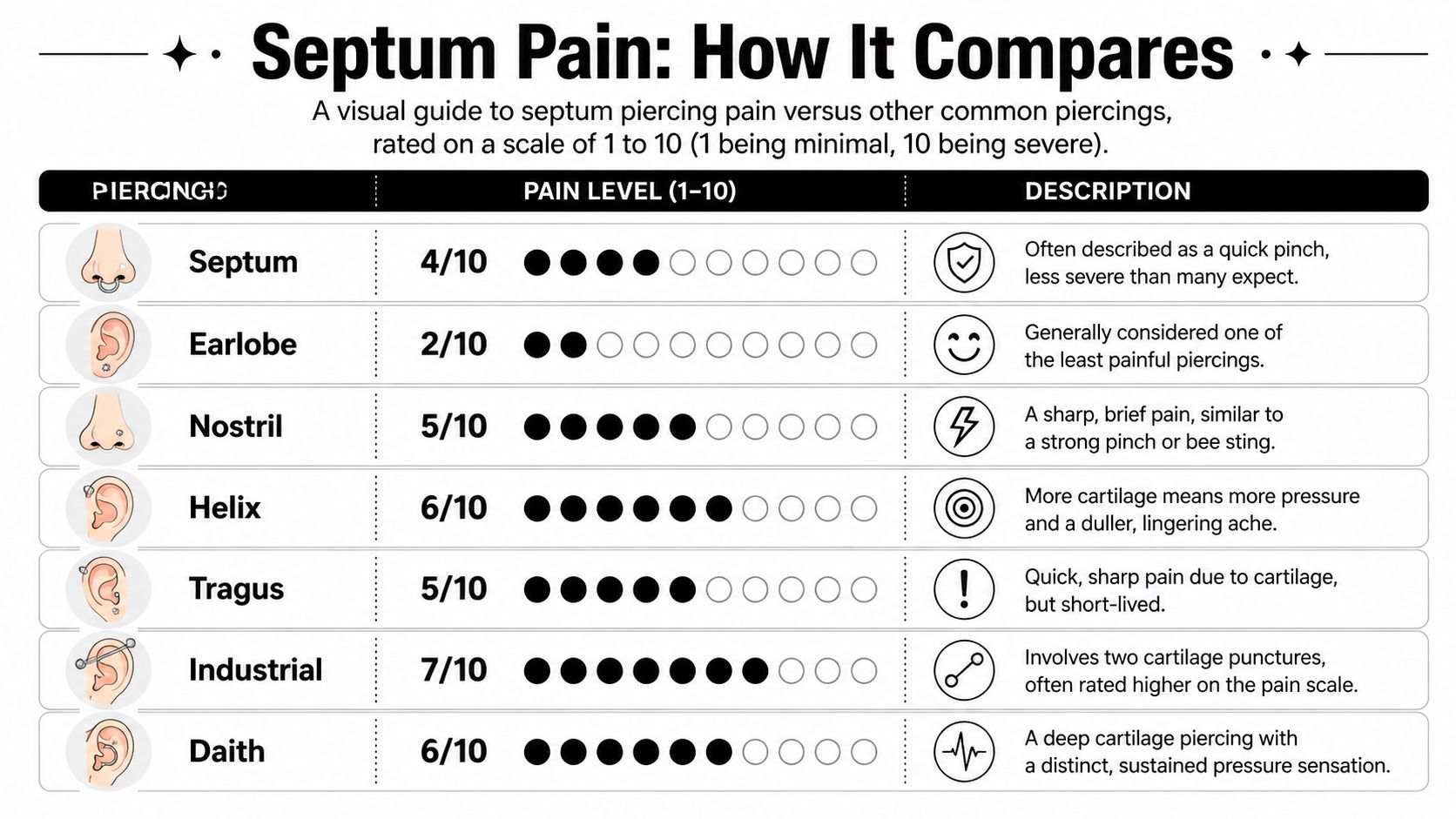
Piercing pain level comparison
| Piercing Type | Typical Pain Rating (out of 10) |
|---|---|
| Septum | 4 to 6 |
| Nostril | comparable to septum |
| Helix | 6 to 8 |
That table only includes ratings we can support directly. Even so, it gives a useful picture. Septum sits in the middle. It isn’t the gentlest piercing people get, but it also isn’t in the same league as the cartilage placements clients tend to complain about most.
What the comparison means in real life
If you’ve had a helix, a septum often feels easier because the painful part is shorter and the early healing tends to be less aggravating.
If you’ve had a nostril, the septum is often in familiar territory. Some people find it easier. Some find it stranger because of the eye watering and sneezy sensation.
If you’ve only had lobes, a septum will feel more intense than that. But the key difference is still the timing. You’re dealing with a brief sharp sensation, not a long procedure.
Most clients don’t say, “That was painless.” They say, “That was much quicker than I thought.”
The other useful comparison is the kind of pain. Cartilage can produce that deeper, dull ache that hangs around. A properly placed septum tends to be more about the initial pinch and then manageable tenderness.
Your Plan for a Low-Pain Piercing Experience
The best way to lower stress around the septum piercing pain level is to have a plan. Clients who know what to do before, during, and after usually cope better because they don’t feel like the experience is happening at them. They feel part of it.
Septum piercings typically take 2 to 8 months to heal fully, and the initial healing often happens within the first 6 to 8 weeks. During healing, tenderness is usually mild, and twice-daily saline helps keep irritation down.
Before your appointment
Start with the basics. They sound simple because they are, but they work.
- Eat a proper meal. Low blood sugar makes people feel faint, shaky, and more stressed.
- Hydrate well. A body that’s looked after tends to handle the process better.
- Sleep properly the night before. Tired clients are often more reactive.
- Skip anything that leaves you feeling rough. If your system is already irritated, the appointment feels harder.
- Give yourself extra travel time. Walking in rushed raises your tension immediately.
If you’re very nervous, tell your piercer as soon as you arrive. That isn’t awkward. It helps us adjust how we guide you.
During the piercing
The trick during the appointment is not to fight the moment.
Clients often tense their shoulders, hold their breath, scrunch their face, and brace too early. That makes the experience feel stronger than it needs to. A better approach is to listen closely and do exactly what your piercer asks when they ask it.
A calmer piercing usually looks like this:
- Sit still and settle your breathing
- Keep your shoulders loose
- Take the breath cue seriously
- Let the piercer work without sudden movement
Breathe out when your piercer tells you to. That single habit helps more than people expect.
You don’t have to act tough. You just need to stay cooperative for a few seconds.
Aftercare for a smoother heal
Fresh septum piercings don’t usually need complicated care. They need consistent, gentle care.
During the first week, tenderness is usually most noticeable. You may feel sore if you bump the end of your nose, catch the jewellery while washing your face, or need to blow your nose. That’s normal. What matters is whether the area gradually settles, not whether it feels perfect right away.
A solid aftercare routine includes:
- Saline soaks twice daily to keep the area clean and calm
- Hands off unless cleaning because touching adds irritation
- Care while drying your face so towels don’t snag the jewellery
- Patience with healing time because feeling better doesn’t always mean fully healed
What confuses first-timers most
People often worry about tenderness that is normal. Mild soreness, sensitivity, and crusting can happen during healing. What you want is a general trend toward calmer tissue over time.
If something feels off, ask your piercer instead of guessing. That’s especially useful if it’s your first facial piercing and you don’t yet know what normal healing looks like. If you need reassurance before or after your appointment, call 01202 900050 (Bournemouth) / 020 8686 7730 (Croydon) or message WhatsApp 07752 913846 (Bournemouth) / 07902 490584 (Croydon).
Questions First-Timers Ask in Croydon and Bournemouth
Will my septum piercing hurt the whole day
Usually, no. The primary sharp pain is usually felt only during the piercing itself, then the area settles into tenderness rather than severe pain. Your nose may feel a bit warm, sensitive, or awkward for the rest of the day, especially if you accidentally bump it.
What catches people out is how often we touch our face without thinking. Washing, changing clothes, blowing your nose, even hugging someone can remind you it’s there. That’s different from constant strong pain.
Can I handle it if I’m bad with needles
Probably, yes.
A lot of clients who describe themselves this way do absolutely fine because a piercing appointment isn’t like sitting through a medical procedure you dread. It’s quick, focused, and over fast. If you tell your piercer you’re squeamish, we can guide you through breathing and positioning so you don’t work yourself up staring at equipment.
You don’t need to be fearless. You just need a few calm seconds.
Does a good studio really make that much difference
Yes, and this is the part people should take seriously.
A septum piercing is very technique-dependent. Placement has to suit your anatomy. Jewellery should be high quality. The environment should feel clean, organised, and calm. When all of that is right, pain is usually more manageable and healing tends to be smoother.
That’s why people looking in Croydon or Bournemouth often do best when they stop searching for the cheapest option and start asking better questions. Does the piercer explain placement clearly? Do they use single-use sterile needles? Are they fitting implant-grade titanium jewellery? Do they talk about aftercare in a way that makes sense?
What if I’m nervous on the day
That’s common. Tell us.
We’d much rather know you’re anxious than have you sit in silence and tense up. Nervous clients often do better when they hear each step out loud, know when the pinch is coming, and understand what the eye watering means. Good support lowers panic. It doesn’t remove the sensation, but it makes it easier to manage.
If you want to talk it through before booking, call 01202 900050 (Bournemouth) / 020 8686 7730 (Croydon) or message WhatsApp 07752 913846 (Bournemouth) / 07902 490584 (Croydon). A quick chat often clears up most of the fear.
Can I hide a septum piercing
Sometimes, depending on the jewellery style and your anatomy. This is something to discuss before the piercing, not after. If hiding it matters for work, family, or study, say so during your consultation so the right starter option can be chosen.
The important part is honesty. Don’t assume every style flips or hides equally well. Your piercer can tell you what’s realistic for your nose and your healing stage.
Is it a good first piercing if I’ve only had ears done
For many people, yes.
It’s a bold look, but the actual procedure is often manageable for first-timers because it’s quick and, when placed correctly, doesn’t have the same reputation as tougher cartilage work. What matters more than whether it’s your first facial piercing is whether you’re ready to follow aftercare and choose a proper studio.
Should I book even if I’m still unsure
If you’re unsure, book a consultation rather than forcing yourself into a same-day decision.
That gives you space to ask about pain, placement, jewellery, healing, and whether your anatomy suits the piercing. A good consultation should leave you feeling clearer, not pressured. In both Croydon and Bournemouth, that calm, informed approach is what usually turns a nervous maybe into a confident yes.
If you’re ready to find a trusted local studio, Piercing Near Me makes it easy to explore professional options in Croydon and Bournemouth, learn what to expect, and book with confidence at Timebomb Tattoo & Piercing.