
For the first 24 hours, wash your hands, leave the jewellery alone, and keep the piercing dry before starting any cleaning routine. Lobe piercings typically heal in about 6 weeks, while cartilage needs a much longer and less forgiving healing period.
You've just left the studio. Your ears feel warm and tender, your phone is already full of conflicting advice, and one person says to clean with saline while another insists you shouldn't put anything on the piercing at all. Most early problems don't come from a lack of effort. They come from too much touching, too many products, moisture, pressure, or advice copied from a different type of piercing.
The practical answer is simple: protect the fresh wound first, then use a gentle, consistent routine suited to the placement. Lobes and cartilage may look almost identical on the day, but they don't heal at the same speed or tolerate the same mistakes.
The First 24 Hours After a New Ear Piercing
On the journey home, a fresh stud can catch in your hair, meet a phone screen, or tempt you to check its position. Leave it alone. Your first priority is protecting the new channel while tissue begins forming around the jewellery, not making it look perfectly clean.
Wash your hands before any contact. Do not twist, rotate, push, pull, or remove the stud to “let air in”. Each movement adds friction, and fingers can transfer contamination even when they appear clean.
The first-day rule: clean hands, no handling, and a dry piercing matter more than a shelf full of aftercare products.
UK advice has traditionally favoured keeping a new piercing dry for the first 3 days, with handwashing and minimal touching. Current guidance also commonly recommends sterile saline twice daily. These instructions apply to different parts of the process, so use one clear routine: allow the site to settle immediately after piercing, then begin gentle saline cleaning as directed for the ongoing healing period. Do not keep re-cleaning it whenever it feels tender.
Lobe and cartilage start differently
A lobe piercing passes through softer tissue and usually reaches a useful healing milestone at about 6 weeks, according to NHS-linked UK ear-piercing guidance. Cartilage, including a helix, conch, or tragus, heals more slowly and is less tolerant of pressure and knocks because it has a poorer blood supply.
That difference changes what you protect from the first night. Fresh lobes mainly need distance from hair, clothing, and unwashed hands. A cartilage piercing also requires attention to pillows, headphones, helmets, phone screens, and sleeping positions. Pressure on a helix while you sleep can keep it irritated even when your cleaning technique is sound.
Keep the ear dry after washing, avoid damp fabric against it, and leave the jewellery stable. Cartilage needs particular care here: swelling and irritation can persist when the jewellery is repeatedly compressed, so saline cannot compensate for pressure, friction, or careless handling.
A Realistic Daily Cleaning Routine You Can Stick To
A helix pressed into a pillow needs a different routine from a lobe that stays clear of friction. The useful rule is simple: let a fresh piercing settle first, then use gentle saline twice daily. Do not keep re-cleaning it whenever it feels tender.
Use sterile saline wound wash containing 0.9 percent sodium chloride with no additives. Avoid alternating sprays, creams, alcohol, or homemade mixtures.
One routine for lobes, another for cartilage
For a lobe, clean morning and evening. Wash your hands thoroughly, spray saline onto clean non-woven gauze or a disposable paper towel, and hold it gently against the front and back of the piercing for 60 to 90 seconds. This softens dried lymph and crust without scraping the channel. Remove only material that loosens easily. Firm crust should be left for the next clean rather than picked away.
Cartilage needs the same saline timing, with stricter control of pressure and moisture. Keep pillows, headphones, helmets, phone screens, hair, and clothing from pressing or dragging across the jewellery. Saline cannot offset repeated compression, knocks, or sleeping on a helix.
Pat the area dry with fresh disposable paper towel or kitchen roll. Do not rub. The NHS advice for infected piercings favours a cotton bud or pad over loose cotton wool, and paper towel is practical for drying. Leave the jewellery still. Rotating or sliding it creates friction inside the healing channel.
After a shower, use dry then clean: pat away surface water first, then apply saline. At other times, use clean then dry, allowing saline to soften build-up before removing moisture.
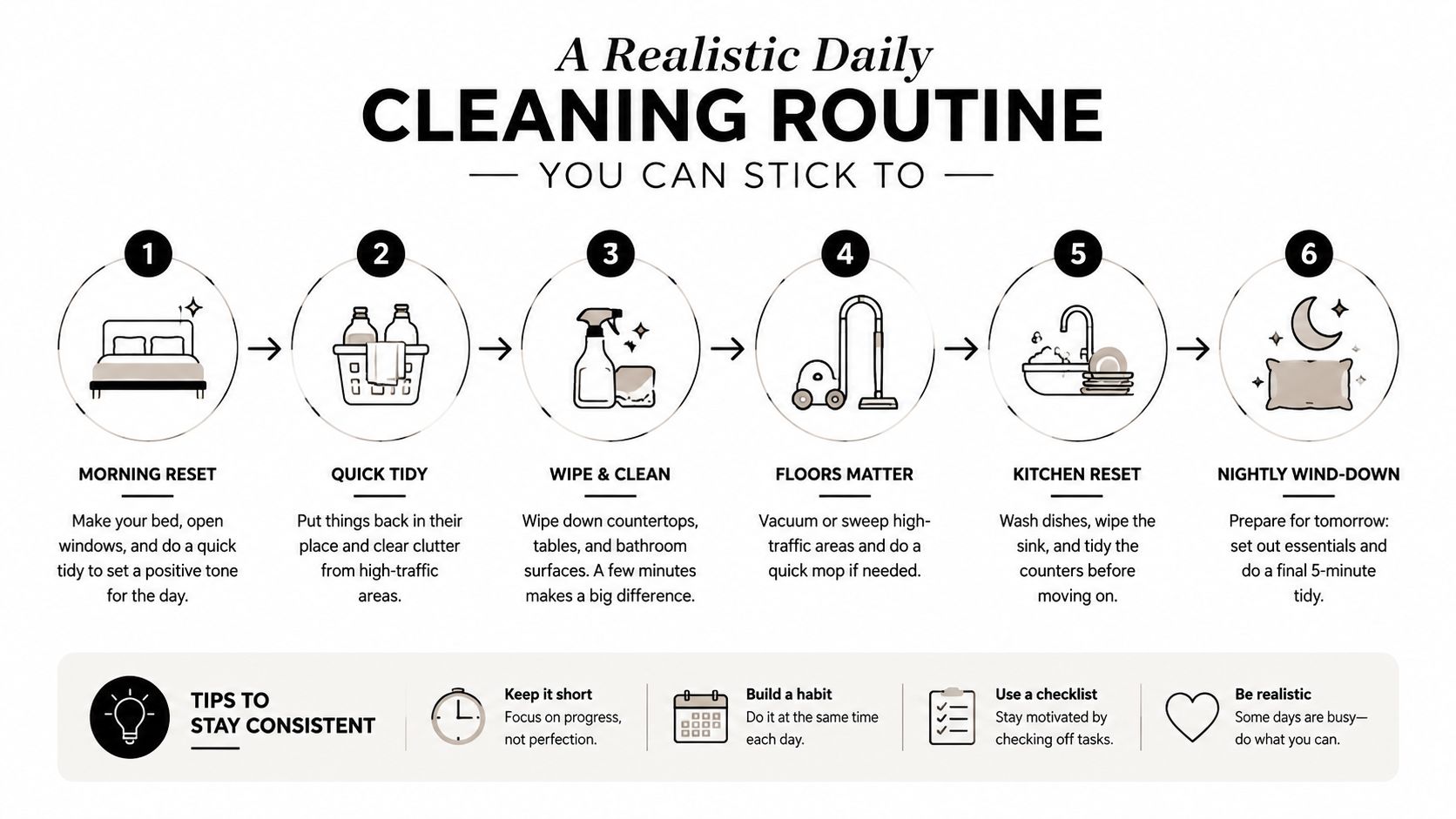
Two cleans a day is enough for most healing ear piercings. More cleaning can dry and flake the surrounding skin, which often leads to extra touching. Cotton buds may leave fibres near the jewellery, while a reusable flannel can snag and is harder to keep clean between uses.
Leave alcohol sprays, hydrogen peroxide, tea tree oil, and antiseptic creams out of routine care. They can irritate healing tissue. For a practical walkthrough of saline cleaning, see how to clean a new piercing.
Cartilage Versus Lobe Healing Timelines
A lobe may look settled while the tissue inside is still strengthening. Cartilage often appears calm on the surface yet stays tender, flaky, or easily aggravated for months. Using one timetable for both placements encourages early jewellery changes and overlooks the pressure that keeps a helix or conch irritated.
The UK ear-piercing healing guidance puts typical lobe healing at about 6 weeks, while cartilage may take around 12 weeks or several months. For a fuller comparison, see these ear piercing healing times. Judge progress by steadily decreasing tenderness and swelling, not by how settled the piercing looks in a mirror.
| Factor | Lobe Piercing | Cartilage Piercing |
|---|---|---|
| Early milestone | About 6 weeks | Around 12 weeks or several months |
| Main vulnerability | Hands, hair, moisture, and snagging | Pressure, sleeping, headphones, knocks, and swelling |
| Cleaning approach | Gentle saline care, followed by thorough drying | Minimal-trauma care, with close attention to friction and moisture |
| Jewellery decisions | Do not assume a calm surface means full healing | Avoid early changes unless a qualified piercer advises a fitment adjustment |
| Warning pattern | Local irritation often follows handling or snagging | Late swelling, heat, or throbbing deserves prompt attention |
Cartilage has less direct circulation than the lobe, so soreness or itching can persist after the initial excitement fades. Sleeping on a fresh helix or conch repeatedly loads the channel and can maintain irritation or contribute to unwanted scar tissue. Headphones, helmets, hair, and phone contact can create the same problem through repeated pressure.
A piercing that looks healed may still be immature internally. Changing the jewellery too soon can disturb that channel, especially if the replacement is a different shape, thickness, or material. Ask a qualified piercer to assess fitment before making a change.
Cartilage also needs a specific warning that generic guides often miss: a late flare-up can follow pressure accumulated over several nights, rather than a single obvious knock. Weeks after the piercing, new swelling, warmth, throbbing, or worsening pain should not be dismissed as routine healing. Pressure, a poor fit, a snag, or another mechanical problem may need prompt piercer assessment, with medical advice if infection is suspected. Ordinary habits usually cause these setbacks, so correcting them matters more than trying dramatic online remedies.
Habits, Products and Water Exposure to Avoid
A fresh piercing can look tidy while ordinary routines keep it inflamed. Water exposure, pressure, snagging, and harsh products are the common problems to remove first.
Avoid swimming in pools, hot tubs, lakes, rivers, or the sea during early healing because the water may introduce contamination. UK guidance uses the 6-week lobe healing milestone as a practical point for avoiding swimming, while more cautious advice recommends waiting at least 8 weeks, especially if the piercing remains tender or involves cartilage. Cartilage deserves the stricter approach because its healing period is longer and repeated moisture or pressure can keep it unsettled.
Keep showers brief enough that the piercing is not left soaked. Turn your head away from direct spray, then pat the area dry with clean, disposable material rather than rubbing it.
Products that create more problems than they solve
Alcohol and hydrogen peroxide dry and damage healing tissue. Neat tea tree oil is too harsh for a fresh piercing, while fragranced soaps can irritate the opening. Do not apply antibiotic cream casually. A reaction, swelling, or possible infection needs proper assessment rather than a product selected from a bathroom cabinet.
Mechanical pressure can matter as much as product choice. Wipe your phone regularly, keep headphones away from a fresh cartilage piercing where possible, and check hats, hoods, masks, hairbrushes, and jumpers for snagging. Sleeping on a helix or conch can apply pressure for hours, causing swelling and shifting the jewellery angle.
- Avoid twisting: Rotation tears fragile new tissue and can create irritation bumps.
- Avoid trapped moisture: Dry behind the ear after washing, particularly beneath a flat-backed stud.
- Avoid unnecessary removal: Removing jewellery can let the channel narrow while it is healing.
- Avoid contaminated water: Pools, hot tubs, lakes, rivers, and the sea are poor environments for a healing piercing.
Do not remove jewellery to let irritation “heal up”. The opening may close around a problem, making assessment harder. If jewellery feels tight, becomes embedded, or causes a suspected material reaction, contact your piercer promptly. Spreading redness, severe pain, or feeling unwell calls for medical care.
How to Tell Irritation From Infection
A new piercing may look alarming after a rough night's sleep or a snag. Localised tenderness, mild redness, slight swelling, and clear or pale lymph fluid can all occur during normal healing. Cartilage often reacts in waves, especially after pressure from bedding, hair, or headphones.
Irritation usually remains close to the piercing and has a clear trigger. Infection becomes more concerning when symptoms intensify instead of easing, spread beyond the immediate area, or affect your general health.
| Symptom | Likely Irritation | Seek Professional Advice |
|---|---|---|
| Tenderness | Localised and gradually easing | Increasing or severe pain |
| Redness | Limited to the opening | Spreading redness or red streaks |
| Swelling | Mild and linked to pressure or snagging | Rapid, persistent, or tight swelling |
| Fluid | Clear or pale lymph that dries | Thick green or yellow discharge |
| Heat | Slight warmth near a new wound | Ear hot to the touch |
| General health | You otherwise feel well | Fever, chills, or feeling unwell |
| Odour | Little or none | Strong or unpleasant smell |
For a closer guide to how to tell if piercing is infected, compare the pattern of symptoms rather than judging one sign alone. Medical advice is appropriate when infection signs appear. Contact your piercer for jewellery fit, pressure, angle, or material concerns, since those issues may need a practical adjustment. A GP or other medical professional should assess fever, red streaks, spreading redness, worsening heat, or significant discharge.
Cartilage needs a lower threshold for action than a lobe. UK government guidance on piercing-associated perichondritis warns that cartilage infections can become serious and need early medical attention. The guidance reports infection in 73 of 754 cases, or 9.7 percent, in a UK body-piercing review. Read the government perichondritis guidance for that context. If cartilage pain, heat, swelling, or redness is worsening, arrange medical assessment promptly rather than waiting for it to become severe.
Your Week-by-Week Healing Checklist
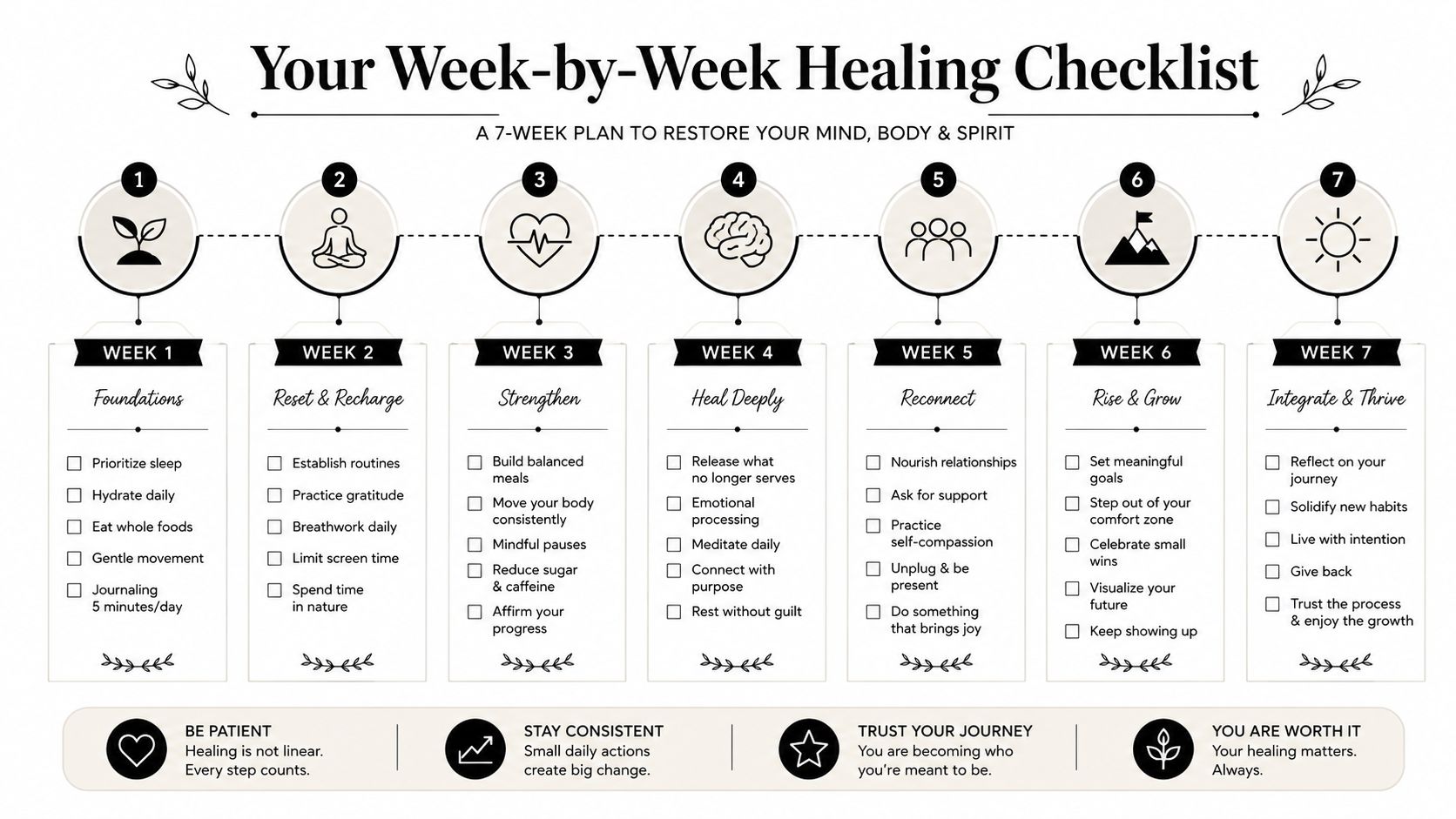
Use this as a practical floor for care, not a reason to force the piercing through a fixed timetable. A piercing can look quiet while internal tissue is still vulnerable, particularly when the placement is cartilage.
Weeks 1 to 2
- Keep it settled: Wash your hands before contact and otherwise leave the jewellery alone.
- Protect it from water: Keep the area dry during the initial period and avoid swimming, hot tubs, lakes, rivers, and sea water.
- Clean gently: Once you move into routine care, use sterile saline morning and evening, then pat dry.
- Expect mild reactions: Tenderness, limited redness, slight swelling, and pale lymph can occur.
For cartilage, add strict pressure control. Don't sleep directly on the ear, and keep hair, headphones, hats, and phone screens away from the jewellery.
Weeks 3 to 6
Lobe clients should continue the same low-irritation routine rather than assuming the piercing is ready for constant handling. A lobe may be approaching its commonly cited 6-week milestone, but appearance alone isn't proof of complete internal healing.
Cartilage clients are still in the early part of a much longer process. A helix or conch may feel better one day and sore the next after a small knock, so continue avoiding pressure and don't test the piercing by rotating it.
Weeks 7 to 12 and beyond
Lobes may feel stable, but jewellery changes should still be discussed with a piercer if there's tenderness, swelling, crusting, or resistance. Cartilage clients should treat this as the long middle stretch, not the finish line. Continue gentle care and monitor whether irritation follows sleeping pressure, snagging, or a jewellery fit issue.
During the final months, genuine healing means the piercing remains comfortable through ordinary movement and no longer reacts repeatedly to normal contact. Cartilage routinely needs longer than a lobe, so slow progress isn't failure. The checklist is a floor, not a ceiling.
Aftercare Questions First-Time Clients Always Ask
Why do some piercers say clean twice daily while others say leave it dry?
The advice reflects different stages and different risk factors, not a competition between products. Keep the piercing dry and untouched during the initial period, then use sterile saline gently twice daily if that matches your piercer's guidance and the site needs softening. Don't clean constantly, and don't apply saline, soap, or cream only because the piercing feels unfamiliar.
Can I sleep on a fresh helix or conch?
No. Direct pressure can keep cartilage swollen and irritate the jewellery angle. Use a travel pillow if you need to sleep on your side, and keep pressure off for at least the first 8 weeks, following the more cautious UK water and protection guidance reported by Unikorn's piercing aftercare information.
When is swimming safe?
For lobes, chlorine pools are best postponed until around month 4, while cartilage can require 6 to 12 months, according to the same UK-focused aftercare source. Lakes and oceans carry additional contamination concerns, so wait longer and follow your piercer's assessment rather than treating a calendar date as permission.
When can I change the jewellery?
A professional may consider downsizing lobe jewellery around 6 to 8 weeks or cartilage jewellery around 3 to 4 months, but a full change should wait until the piercing is healed. Fitment, swelling, jewellery material, and symptoms all matter more than a date on its own.
Does rotating the jewellery help?
No. Rotation tears at the developing fistula and commonly causes irritation bumps. Clean around the jewellery without moving it.
Are hydrogen peroxide, alcohol, or tea tree oil acceptable?
No. They can damage healing tissue, dry the surrounding skin, and delay recovery. Use sterile saline or the specific gentle cleansing method advised by your piercer, and stop any product that causes burning, rash, or worsening irritation.
Piercing Near Me connects clients in Croydon and Bournemouth with professional piercing services, implant-grade jewellery options, and personalised aftercare for placements from lobes to cartilage. Visit Piercing Near Me to explore studios, arrange a consultation or appointment, and get clear guidance before your new piercing.ефон 01202 9000 50 or WhatsApp 07752913846.