
An industrial piercing in the UK typically costs £35 to £45 for the procedure, but the all-in cost including implant-grade titanium jewellery and aftercare usually lands between £50 and £85. The advertised fee is only useful if you know exactly what it includes.
That's the figure I'd use when someone asks, “How much is an industrial piercing?” A low headline price can look tempting, but it often excludes the bar, saline spray, fitting, or follow-up support. A properly placed industrial is a technical cartilage piercing, not a quick add-on service, so the sensible comparison is the total cost of getting it placed, fitted and supported through healing.
What an Industrial Piercing Actually Costs in the UK
Published UK studio price lists show industrial-style piercing fees commonly clustering around £35 to £45. Examples include £35 at LBL Tattoo, £39 at Mystic Lounge, and £40 at Ashton Piercing, Southgate Tattoo and The London Piercing Clinic, based on the UK piercing price list from LBL Tattoo. A different UK price list starts at £60 with a barbell, which shows how much jewellery style and inclusions can alter the final bill.
The practical benchmark is simple. Expect roughly £35 to £45 for the procedure, then check whether the studio adds jewellery, aftercare or fitting charges. Southgate Tattoo says its listed prices include a basic titanium jewellery piece, while Blue Banana lists an industrial or scaffold piercing at £40 without jewellery included, and The London Piercing Clinic lists scaffolding from £65. Those examples make the point clearly: two prices can describe different baskets.
A realistic regional comparison
The table below is a planning guide, not a claim that every studio in each region charges the same fee. Actual prices depend on anatomy assessment, jewellery and what the studio includes.
| Region | Average Procedure Fee | Typical All-In Cost |
|---|---|---|
| London | £50–£70 | £65–£85 |
| Mid-size cities | £40–£60 | £55–£75 |
| Smaller towns | £35–£50 | £50–£70 |
Treat any walk-in advert around £25 to £30 with caution. That price may exclude the bar or offer little time for marking and anatomy assessment. Before booking, use the UK piercing price guide to compare the advertised service with the actual inclusions.
Practical rule: Ask for the all-in price before you sit in the chair. A clear quote should identify the procedure, jewellery, aftercare and any follow-up appointment.
If you need one figure for budgeting, set aside £70. That sits inside the verified all-in range and gives you room to choose suitable titanium rather than accepting the cheapest bar available.
The Anatomy of an Industrial Piercing and Why It Matters
An industrial piercing uses two separate cartilage piercings connected by one straight barbell. The usual arrangement runs from the forward helix area towards the outer helix, although placement must follow the shape and depth of your ear rather than a fixed visual template.
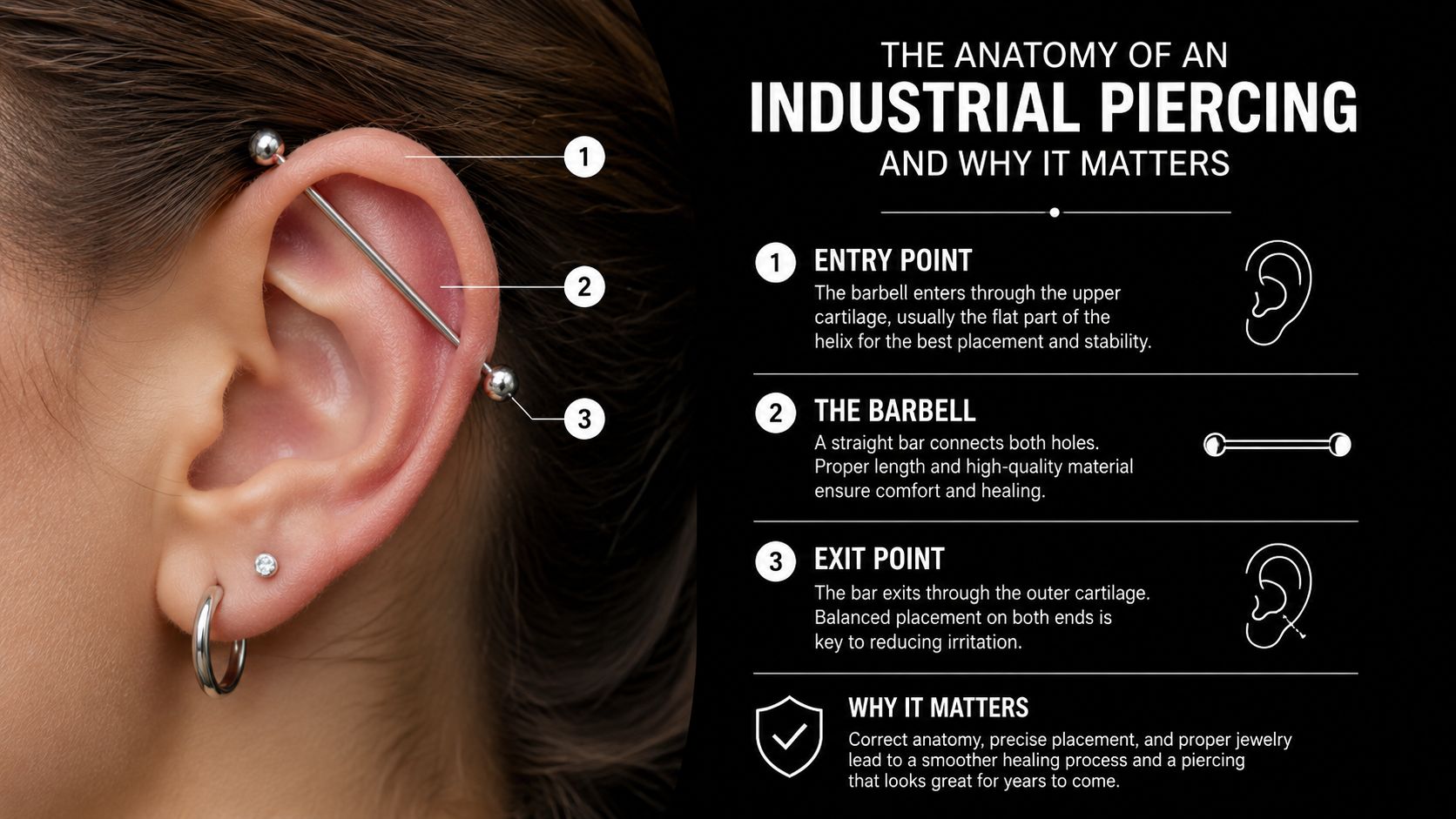
The cost reflects the coordination involved. A piercer must mark both points, check that the planned bar travels through the ear at a compatible angle, and account for swelling. If the two channels don't line up, the jewellery can place pressure on one or both piercings, creating irritation and making healing harder.
Why the barbell changes the service
A standard helix piercing involves one channel and one piece of jewellery. An industrial requires two accurately aligned channels and a straight bar that links them. The piercer therefore has to assess anatomy before the needle goes near your ear, not just measure the ear after the fact.
Bar length also matters. Industrial bars need enough room for early swelling, but excessive length can catch on hair, clothing and bedding. A competent studio may recommend a later adjustment once swelling settles, rather than pretending the first bar will be the permanent size.
The jewellery itself is part of the technical work. Straight barbells are available in different materials, finishes and lengths, and the bar must suit the anatomy already assessed. That's why a cheap procedure fee with unsuitable or unidentified jewellery isn't a genuine saving.
Anatomy can change the plan
Not every ear has a ridge deep enough for a conventional industrial. A responsible piercer may decline the placement or suggest an alternative arrangement, such as separate cartilage jewellery, if a straight bar would sit under unsafe pressure. Paying for a consultation that prevents a poor placement is far cheaper than paying to remove and redo an irritated piercing.
The UK's published healing guidance places industrial healing at about 6 to 12 months on average, with some advice describing 8 to 10 months as common. The Bournemouth industrial healing guidance also notes that jewellery changes may not be advised until roughly two months after the initial piercing or, in some cases, around three months. The long healing period is another reason to prioritise placement and jewellery over a bargain fee.
What Drives the Price Up or Down
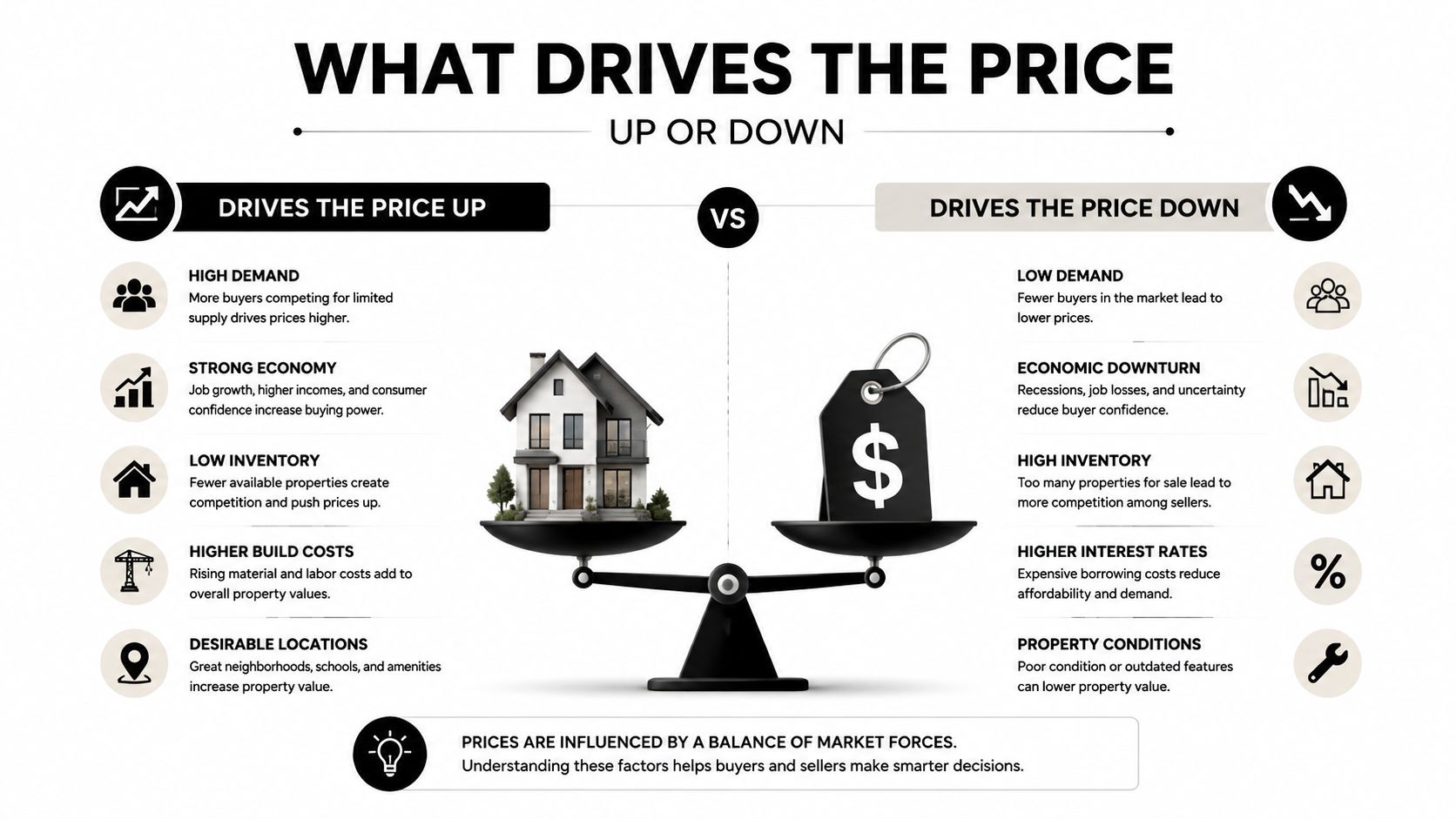
Industrial prices vary because studios aren't selling an identical service. Location, time, jewellery and expertise all affect the quote, and the differences are visible once you ask the right questions.
The five variables behind the quote
Studio location matters because London premises and central high-street studios carry different operating costs from smaller regional shops. A higher price isn't automatically better, but a very low price can indicate that the studio has removed something from the service, usually jewellery choice, consultation time or follow-up care.
Piercer experience also has value. An experienced piercer has more practice marking two points that work together, recognising unsuitable anatomy and managing swelling. Membership of professional associations can be useful when assessing standards, but it shouldn't replace checking the actual studio process and jewellery documentation.
Material grade is one of the clearest price differences. Basic steel or plated options can cost less than implant-grade titanium, while decorative finishes and solid gold raise the price further. The bar still has to be appropriate for a fresh cartilage piercing, regardless of how attractive it looks in the display case.
Bar length and manufacture affect the final figure. A stock bar may be available immediately, while a specific length or custom-cut titanium option can require a jewellery upgrade. Don't pay for a custom option unless the piercer explains why your anatomy needs it.
Appointment time completes the picture. A booked consultation may separate assessment from the piercing, while a walk-in service may bundle both into one fee. A walk-in can feel cheaper because the price is displayed prominently, but the studio may still charge more once consultation or jewellery is added.
Compare the service, not just the number
A Camden studio with a long-established piercer may quote more than a newly qualified piercer in a regional shop. That doesn't prove the expensive studio will deliver better work, and it doesn't prove the cheaper one is unsafe. It means you need to compare what each appointment includes, how anatomy is assessed and what jewellery you'll leave with.
The strongest quote is the one you can understand without chasing the studio for missing details. If one studio gives a single transparent total and another gives a low procedure fee followed by several additions, compare the totals line by line.
Jewellery Grades and Why Cheap Bars Cost More Long Term
Jewellery is where many industrial budgets go wrong. Studios may describe a bar as “steel”, “titanium” or “gold”, but those labels don't tell you enough about the alloy, finish or documentation.
Published UK jewellery listings show basic industrial bars around £5 to £14 for some plated or surgical-steel styles, and roughly £20 to £28 for titanium versions. The same UK market also lists solid titanium cartilage studs at £14.99, with lower-cost steel options ranging from £4.99 to £18.99, as shown in this UK cartilage jewellery range.
Start with the metal, then inspect the paperwork
Surgical steel is often the least expensive choice, but the term covers more than one alloy. Some steel contains nickel, which can irritate people with sensitivity. A polished display bar is not proof that the metal is appropriate for a fresh industrial.
Implant-grade titanium is the safer default for healing cartilage when the studio can identify the specification and provide suitable documentation. Ask whether the bar is certified to a recognised implant standard, such as ASTM F136 or F1295, and whether the studio can show batch or mill information rather than relying on a generic product description. The comparison of surgical steel and titanium explains why the material choice deserves more attention than the finish.
Solid gold can be suitable when it is made for body jewellery and the alloy is appropriate, but it carries a much higher premium. Gold colour alone tells you nothing about whether a particular bar is appropriate for a fresh piercing.
| Grade | Material | Typical Extra Cost | Healing Suitability |
|---|---|---|---|
| Surgical steel | Steel alloy, specification varies | Lower | Depends on alloy, finish and nickel content |
| Implant-grade titanium | Titanium made to an identified implant specification | Moderate | Strong default when documented and correctly fitted |
| Solid gold | Body-jewellery gold alloy | Higher | Can be suitable when correctly made and documented |
Don't let a low jewellery price decide the piercing. A bar that irritates the ear can create extra appointments, replacement jewellery costs and a much longer healing process. The cheapest bar is only cheap if it works.
Ask before the needle: What is the exact material, what standard does it meet, and can you show me the documentation?
Reading a Studio Price List Like a Pro
A price list is a menu, not a complete quote. The number beside “industrial” may cover only the piercing service, while the bar, aftercare and later fitting sit elsewhere on the page.
A £35 service fee can be reasonable if the studio clearly explains the jewellery charge. It becomes misleading when the studio presents that figure as the expected final spend, then adds a basic bar, a titanium upgrade and an aftercare product at the till. I prefer studios that state the basket plainly, even when their starting price looks higher.
Seven lines to confirm before booking
Base fee. Confirm whether this covers marking, anatomy assessment, sterilisation and both piercing channels.
Jewellery cost. Ask whether a basic bar is included, whether titanium costs extra and whether the quoted bar is the correct length for initial swelling.
Downsizing appointment. Find out whether a later fitting is included, discounted or charged separately. A bar chosen for early swelling may need adjustment after the ear settles.
Aftercare products. Check whether sterile saline is supplied, recommended or sold separately. Don't assume “aftercare advice” means a product is included.
Deposit terms. Ask when the deposit is taken, whether it is transferable and what happens if the piercer decides your anatomy isn't suitable.
Card surcharges. Confirm the payment total before arrival so a small processing charge doesn't become an unexpected addition.
Complication policy. Ask who assesses persistent irritation, whether jewellery changes are charged and when the studio recommends medical advice rather than another paid treatment.
One total beats a misleading starting price
The studio doesn't need to include every possible upgrade in its headline price. It does need to make the likely total easy to understand. Ask for a written quote containing the procedure, the proposed jewellery, aftercare and any planned follow-up.
That approach also protects the studio from confusion. If your ear needs a different bar, or your chosen decorative end changes the price, you can approve the alteration before the procedure rather than discovering it at payment.
The Hidden Costs Most Studios Do Not Advertise
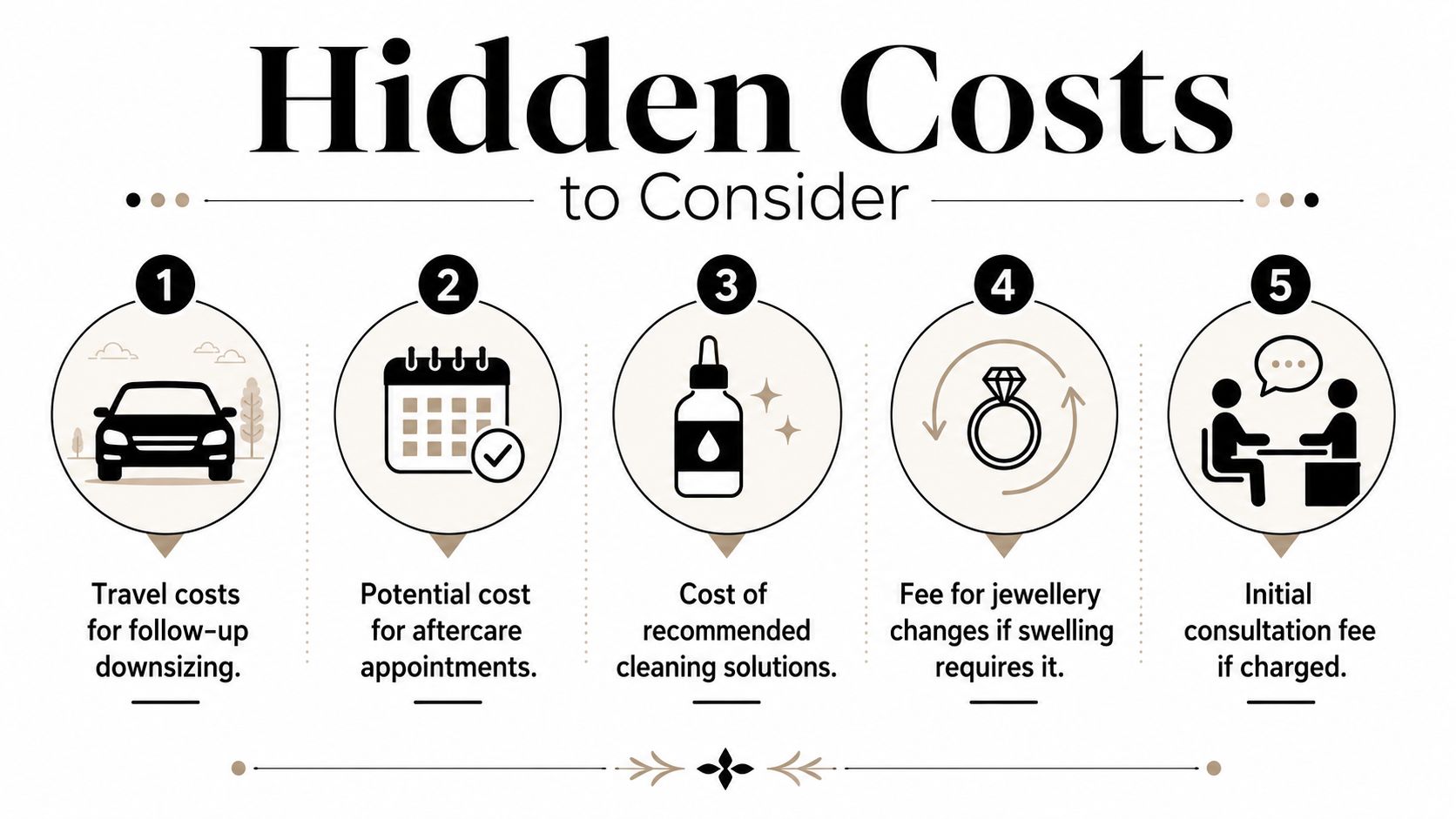
The quoted piercing fee isn't the whole financial commitment. An industrial can require care and attention throughout a 6 to 12 month healing period, and the UK industrial piercing healing guidance connects that long timeline with ongoing saline care, possible jewellery adjustments and troubleshooting.
The costs outside the chair
Travel is easy to overlook. If your studio isn't local, a follow-up for fitting or assessment can mean another journey, parking or public transport. The appointment itself may be included in your package, but the trip rarely is. Use the follow-up appointment guide to ask what your studio expects after the initial placement.
Saline care can continue for much of the healing period. Some studios provide saline, while others ask clients to buy it separately. Check the product recommendation before booking, because improvised cleaning products can irritate healing tissue.
A second bar is a realistic possibility if the first length doesn't suit your swelling or anatomy. That isn't always evidence of poor work. Ears change during healing, and a responsible piercer may recommend a different length or style rather than leaving an uncomfortable bar in place.
Time has a price too
Healing cartilage can interfere with sleep, headphones, helmets and hair care. A painful ear may affect work or study if your daily routine repeatedly catches the jewellery. Those aren't line items on a studio menu, but they form part of the cost of choosing an industrial.
The most expensive outcome is premature removal after poor placement, persistent irritation or unsuitable jewellery. You may lose the original jewellery, pay for assessment and replacement, then decide whether to attempt a new placement later. Budgeting for quality at the start is the more economical decision.
How to Get Genuine Value Without Cutting Safety Corners
Value isn't the cheapest needle. It's the lowest realistic lifetime cost of a healed piercing, and that starts with a studio that can explain its work.
Choose a quote that includes, or clearly prices, the procedure, an implant-grade titanium bar and follow-up support. A shop advertising an industrial at £25 but refusing to identify the jewellery material or show conformity paperwork hasn't given you a bargain. It has given you incomplete information.
Use a quality checklist
Inspect the setup. Look for a clean work area, sealed single-use needles and dated autoclave bags. You can ask whether steriliser spore-test records are available.
Watch the preparation. The piercer should mark both points, check the line and recheck it before piercing. Gloves should be changed between clients and whenever contamination occurs.
Buy from the studio. Avoid unknown marketplace jewellery for a fresh industrial. The piercer needs to verify the material, finish, fit and length, not just attach a bar that looks attractive online.
Ask for a titanium specification. ASTM F136 or F1295 is a sensible minimum question for implant-grade titanium, but the studio should still provide jewellery that suits the placement and swelling.
Price aftercare. Include saline and at least two follow-up conversations or visits in your budget. Support can prevent a small fit issue becoming an expensive revision.
Book when the studio can focus. A quieter midweek appointment may allow more time for consultation, but never assume a discount is worth accepting reduced jewellery quality or rushed marking.
Don't let a loyalty scheme influence a material decision. If the scheme locks you into a brand whose grade is unclear, the discount is working against you. The right studio will explain why it chose a bar, not push you towards a product because it is already in stock.
Booking Your Industrial Piercing with Confidence
Treat the booking as a small clinical appointment, not an impulse beauty purchase. Start with a phone or email enquiry and ask who will pierce you, what training they have, how regularly they place industrials, and whether they stock suitable implant-grade titanium bars in the lengths your anatomy may require.
Ask specifically about 1.2 mm and 1.6 mm bars, and whether the studio has 38 mm and 41 mm lengths available. Those details don't guarantee a correct fit, but they show whether the studio thinks about sizing before you arrive rather than forcing your ear into whatever is on the display.
Confirm the appointment in writing
Request a written total covering:
- the procedure and anatomy consultation
- the proposed jewellery and any titanium upgrade
- aftercare products or saline recommendations
- the follow-up or downsizing arrangement
- deposit, cancellation and complication terms
A reputable piercer should assess your ear and decline the placement if the ridge is too shallow for a safe straight-bar angle. That refusal protects you from paying for a piercing that the anatomy cannot support.
Prepare for the day
Industrial marking needs patience. Avoid any shop promising to complete a complex cartilage placement in five minutes. The marking, checking and re-marking process can take 30 to 45 minutes, according to the practical appointment guidance supplied for this article.
Book a morning slot when you're rested, eat beforehand and plan to keep the ear dry that evening. Bring ID, and arrange your routine so you can avoid helmets, tight headphones and sleeping on that side for at least two weeks.
Leave with written aftercare instructions, the jewellery batch details and a direct way to contact the piercer. If you're booking in Croydon or Bournemouth, Piercing Near Me can be reached on 01202 900050 (Bournemouth) / 020 8686 7730 (Croydon) or WhatsApp on 07752 913846 (Bournemouth) / 07902 490584 (Croydon) for appointment enquiries.
A sensible budget is only the starting point. The decision is whether the studio offers accurate marking, documented jewellery, clear aftercare and support throughout the healing period.
If you want a transparent quote rather than a low headline fee, visit Piercing Near Me to explore professional piercing options and booking information for Croydon and Bournemouth. Ask for the complete industrial piercing cost, jewellery specification and follow-up arrangements before confirming your appointment.