
For many, a tragus piercing feels like a brief sharp pinch or pressure lasting only a few seconds, with soreness that fades within days. It can feel more intense than a lobe piercing, but it usually isn't prolonged pain.
You're probably reading this with one hand near your ear, wondering whether the small piece of cartilage in front of your ear canal is worth the nerves. In the studio, that uncertainty often appears just after the jewellery has been chosen, the headphones come off and the placement mark goes on. The question is almost always the same: “How much is this going to hurt?”
The honest answer is that pain isn't a fixed score. Your anatomy, the piercer's technique, the use of a sterile needle rather than a gun, the fit of the jewellery and your aftercare habits all affect what you feel. The piercing itself is brief. The more important question is whether you avoid turning a short pinch into weeks of unnecessary irritation.
The Honest Answer in the First Few Seconds
You're sitting in the chair, looking at the marker dot on your tragus while the piercer checks the angle. The room is quiet, your headphones are off, and the anticipation has had far more time to build than the piercing will take. Then comes the instruction to breathe normally, followed by a quick, firm sensation.
Most UK descriptions characterise the experience as brief pressure or a sharp pinch lasting only seconds, rather than prolonged pain. The tragus is thick cartilage, so the sensation can feel more substantial than an earlobe piercing, but it generally isn't the long, throbbing experience many first-time clients imagine. Glamour UK's guide to tragus piercing also reflects the common description of a short, sharp sensation.
The jewellery insertion may create a second, smaller pinch. Once the flat-back labret is in place, the ear can feel warm, full or slightly bruised. That immediate feeling is different from the piercing itself, and separating those stages helps you judge what's normal.
The part clients often overestimate
Anticipation is usually worse than the actual moment. You can hear preparation sounds, see the equipment and imagine the needle, but the tissue is pierced quickly when the piercer works with a controlled, single-use hollow needle. Clenching your jaw or holding your breath won't make the process easier, so a slow exhale is more useful than trying to brace rigidly.
I won't minimise it. Cartilage can feel sharper than soft tissue, and individual sensitivity varies. What I do explain is that the first sensation is only one part of the outcome. A precise placement and suitable jewellery can make the following days easier, while pressure from headphones, a pillow or constant touching can make a technically smooth piercing feel much more uncomfortable.
Practical rule: Judge the appointment by the brief piercing sensation and judge the healing by the direction of the discomfort. Soreness should settle, not steadily intensify.
Why the Tragus Feels the Way It Does
The tragus is the small, thick cartilage structure at the front of the ear canal. It partially covers the canal opening and has a firmer, denser feel than the soft tissue of the earlobe. That difference explains why a tragus piercing can feel more intense than a lobe piercing even though the actual puncture is quick.
Cartilage doesn't give way in the same soft manner as a lobe. The needle passes through a denser structure, and the skin over the tragus can feel relatively tight. A useful comparison is a quick hard pinch rather than a slow squeeze. The sensation is sharper and more focused, but it's over quickly when the piercer uses the right equipment and technique.
The tragus also has fewer sensory nerve endings than soft tissue in the lobe, which is one reason UK beauty coverage describes the initial discomfort as short-lived. Grazia's UK advice on tragus piercings discusses the brief discomfort and the irritation caused by pressure during healing.
Anatomy changes the experience
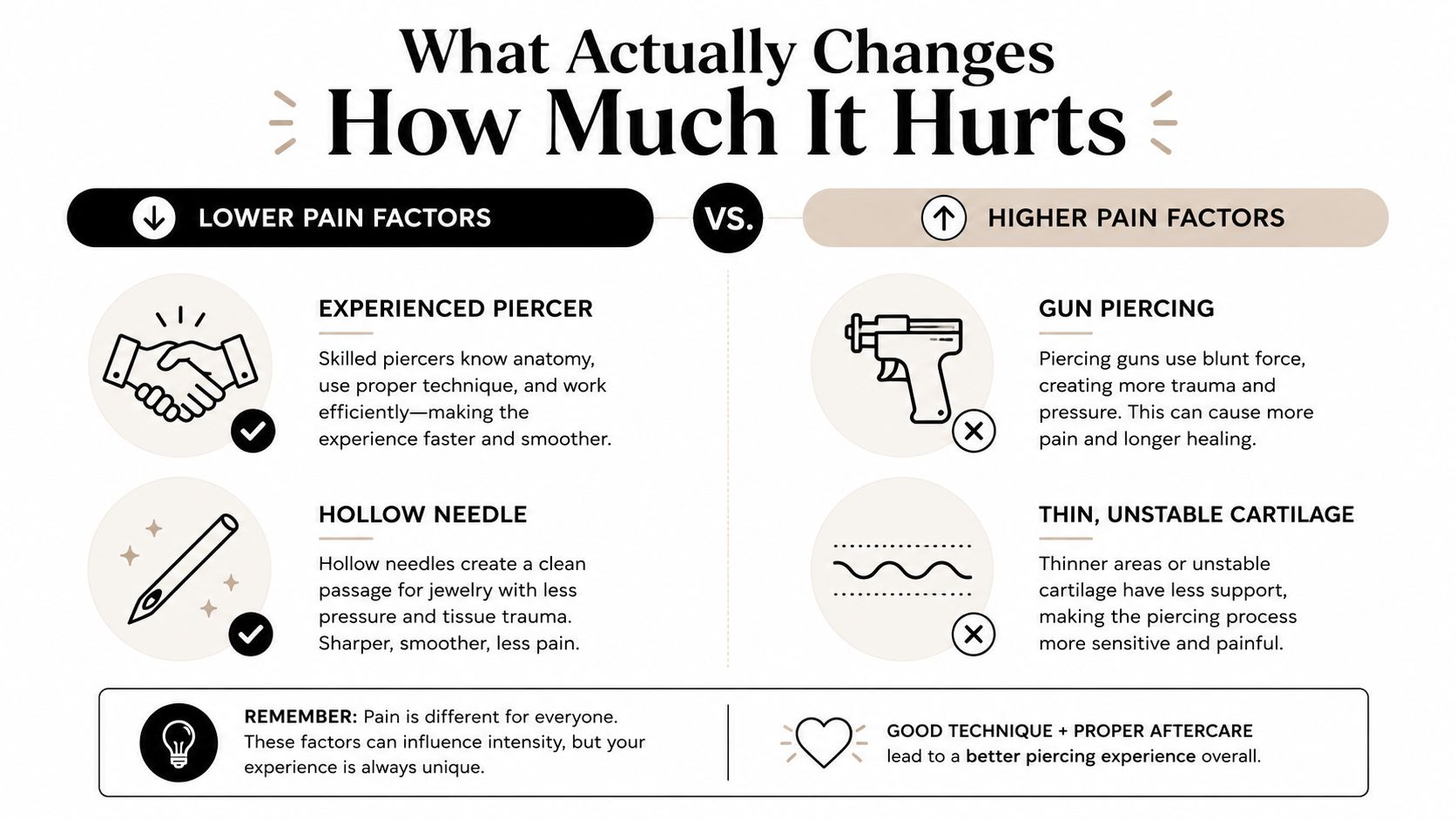
A professional doesn't place a mark in the centre of every tragus. The piercer checks the thickness, available tissue, ear shape, jewellery clearance and the angle needed to avoid placing the channel too close to the ear canal or the edge of the cartilage. Some people have a broad, substantial tragus, while others have a smaller or thinner area with less room for jewellery.
That examination matters because placement determines pressure. A mark that looks attractive from the front still needs enough tissue around the channel and enough space for the jewellery to sit without pressing into the ear. Your piercer should show you the proposed position and explain any anatomy-related limitation before starting.
For a broader explanation of how cartilage structure affects discomfort, see this cartilage piercing pain guide. It's useful background, but no chart can replace an in-person anatomy assessment.
Needle, Jewellery Fit and Practitioner Skill
The pain outcome depends heavily on the studio's method and the decisions made before the piercing begins. A skilled piercer checks the ear, explains the proposed angle, opens sterile equipment in view, and works without rushing. Ask to see the single-use needle and confirm that the jewellery will be fitted to your anatomy, rather than selected from a standard size.
Good technique limits unnecessary trauma. Poor alignment, excessive force, or jewellery that presses against the surrounding cartilage can leave the area more inflamed and tender. Skill will not remove the brief sting, but it can prevent avoidable irritation and make aftercare easier.
Questions that reveal studio standards
For tragus work, ask which needle gauge the piercer uses and why it suits the planned jewellery. The gauge should match the jewellery and the tissue being pierced. A reputable practitioner should explain the choice clearly instead of treating it as a detail clients should not question.
Check how the studio handles consent and marking. You should have time to inspect the position from the front and side, discuss the angle, and raise concerns before the needle is opened. The piercer should also explain what may happen if your tragus does not leave enough clearance for the jewellery or for your usual headphones.
A rushed consultation is a reason to leave.
Jewellery specification and fit
Starter jewellery needs space for normal swelling, while still avoiding unnecessary movement and snagging. A flat-back labret can reduce contact behind the ear, but the post length and front end still need to suit your anatomy. Implant-grade titanium is often chosen when reducing irritation is a priority. Ask for the material specification, not just the word “titanium”. Solid gold suitable for body piercing may also be appropriate when correctly specified.
Pressure after leaving the studio can change the pain more than the appointment itself. In the UK, commuting with over-ear headphones, using earbuds, sleeping on the pierced side, or resting a phone against the tragus can repeatedly compress fresh tissue. Ask how to manage those habits during healing, rather than relying on generic saline instructions.
Before booking, ask:
- Equipment: Is the needle sterile, hollow, and single-use?
- Jewellery: What gauge, material, post length, and end will be used?
- Fit: How will the piercer allow for swelling without leaving excessive length?
- Aftercare: What pressure should be avoided, and who should you contact if symptoms worsen?
What the Moment and the First 72 Hours Feel Like
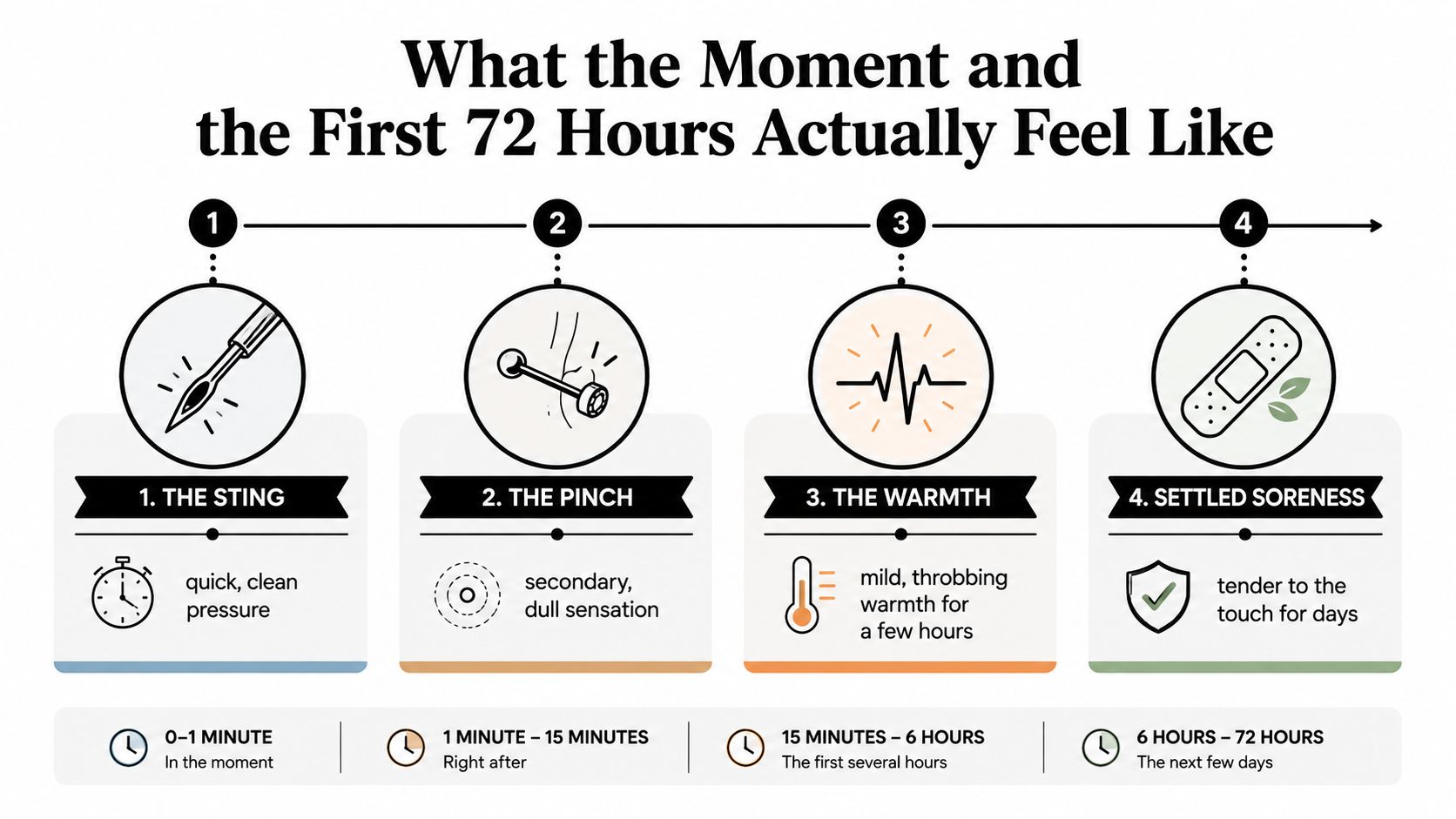
A Friday appointment can feel convenient because the weekend leaves time away from work, commuting and social plans. After the anatomy check and marking, the needle usually produces a clean sting followed by firm pressure. As the jewellery passes through, there is often a second, duller sensation. The tragus may then feel warm, full and newly noticeable.
Warmth alone does not indicate a problem. Freshly pierced tissue is tender, and mild swelling can make the jewellery feel more prominent. For many clients, discomfort is most noticeable when something touches the site, rather than as continuous pain while resting.
The first day
During the first day, a jumper, phone or accidental brush can trigger soreness. A pillow can make a manageable piercing painful if you sleep directly on that side. Headphones and earbuds create a separate problem because they can sit close to, or press against, the jewellery.
Pressure from ordinary UK routines often matters more than the original sting. A commute with headphones, a phone held against the ear or side-sleeping can repeatedly irritate the fresh channel.
By the following day, the tragus may remain tender and slightly swollen. Checking whether the jewellery moves, twisting it or repeatedly inspecting the back keeps disturbing tissue that needs time to settle.
The next couple of days
By the end of the first few days, uncomplicated soreness should feel less intrusive. A dull ache when the tragus is pressed can still be normal, but pain that steadily increases without an obvious source needs attention.
The needle creates a brief event. Pressure creates repeated events. Keeping headphones away, avoiding the pierced side at night and leaving the jewellery undisturbed can reduce irritation during these first days. Understanding these early signs helps distinguish normal healing from complications, covered in the next section.
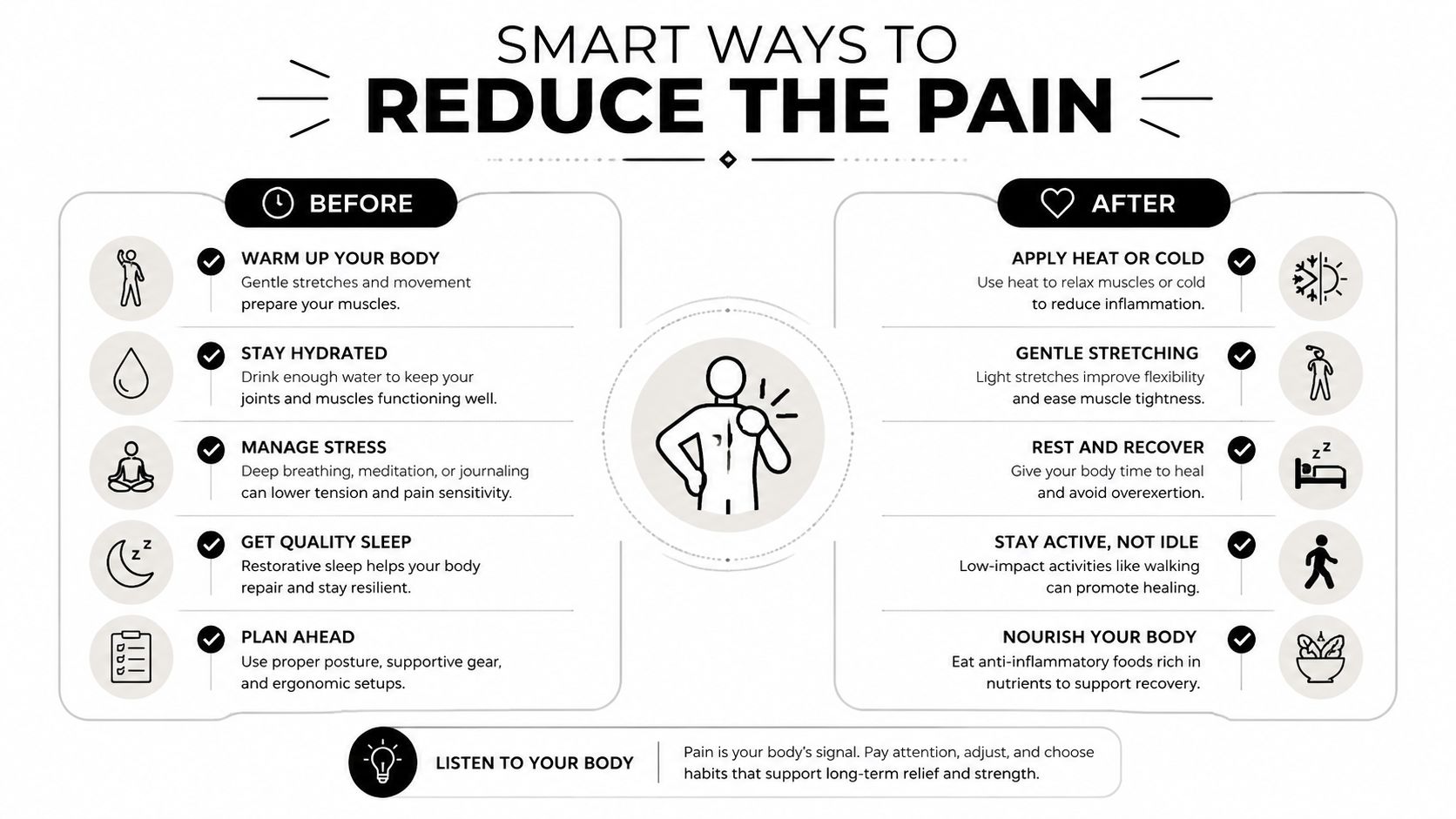
Smart Ways to Reduce the Pain Before and After
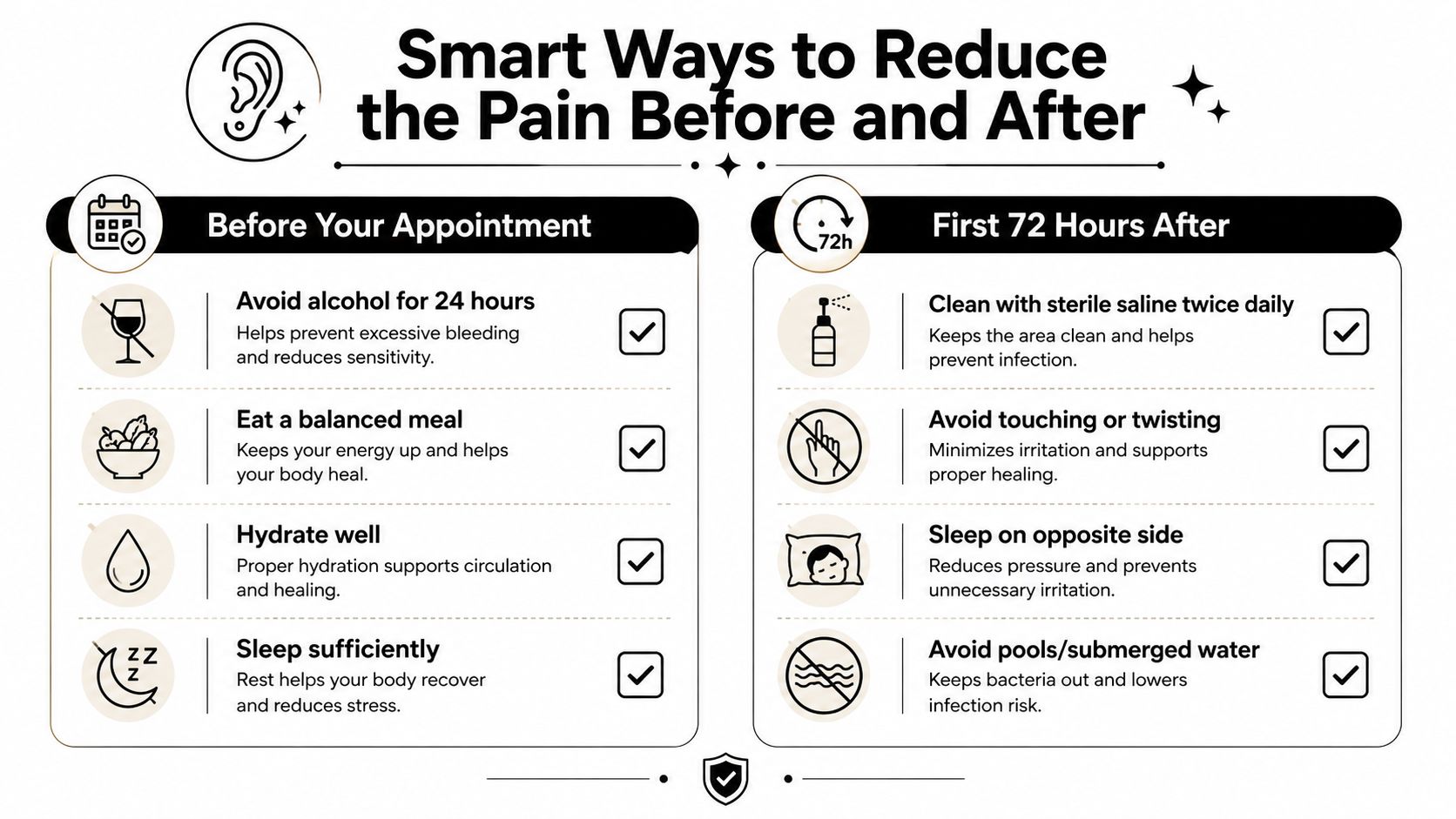
Good preparation won't make the piercing sensation disappear, but it can stop preventable discomfort from taking over the healing period. Eat a proper meal before the appointment, drink enough water and arrive rested. Avoid alcohol before the procedure, and don't schedule the piercing when you're rushing between commitments.
In the chair, keep your shoulders loose and breathe out slowly as the needle passes through. Don't clench your jaw or grip the chair. Tell the piercer if you're nervous, and keep your hands away from the jewellery once the piercing is finished.
A practical routine
Before the appointment
- Eat properly: A balanced meal is more useful than arriving hungry and distracted.
- Hydrate: Bring water and avoid turning the appointment into an endurance test.
- Sleep well: Fatigue can make a short procedure feel more overwhelming.
- Plan around pressure: Leave room to avoid headphones and side-sleeping afterwards.
At home
Clean the piercing with sterile saline twice daily, allowing the solution to soften any residue before gently drying the area with a clean disposable product. Don't twist, rotate or remove the jewellery to clean underneath it. Movement creates friction inside a channel that needs calm conditions.
Avoid alcohol, peroxide and harsh household antiseptics. They can irritate healing tissue rather than solving the cause of soreness. Keep hair products, makeup and unwashed hands away from the site, particularly while the area feels tender.
Make the jewellery work for you
For many clients, a flat-back labret in implant-grade titanium offers a comfortable starting point. The flat rear is less likely to press into a pillow than a protruding backing, and titanium is widely selected for its suitability in fresh piercings. The piercer still needs to choose the correct length for your anatomy and current swelling. Jewellery that is too tight can create pressure, while an unnecessarily long bar can snag and move.
Avoid in-ear headphones and over-ear headphones that compress the tragus during the early healing period. If you must use audio equipment, ask your piercer how to keep it away from the jewellery rather than accepting repeated contact as unavoidable.
Healing Timeline Versus Warning Signs
A tragus can feel comfortable on the surface while the piercing channel inside remains fragile. UK guidance describes cartilage healing as taking about four to eight months through six to eighteen months, considerably longer than a lobe piercing. Cosmopolitan UK's tragus piercing guidance reflects this wider healing range. For the stages and what to expect, see our tragus piercing healing timeline.
Pain should usually settle well before healing is complete. Early tenderness can fade, then return briefly after pressure from headphones, side-sleeping or accidental contact. A piercing may look settled externally while the internal channel is still strengthening, so replacing jewellery too soon can trigger fresh irritation.
Normal healing compared with a complication
| More consistent with normal healing | Needs prompt attention |
|---|---|
| Mild tenderness after contact | Pain that keeps increasing |
| Limited swelling near the channel | Spreading swelling or redness |
| Sensitivity that gradually eases | Heat, marked swelling or pain at rest |
| Light, temporary irritation after pressure | Blood or pus discharge |
| A small lump that needs assessment if persistent | Jewellery appearing embedded in swollen tissue |
The NHS guidance on infected piercings identifies swelling, pain, heat, redness or darkening of the skin, and blood or pus discharge as warning signs. Cartilage piercings can also develop small lumps and become infected. Do not diagnose a lump casually, particularly if it grows or appears with heat, worsening pain or discharge.
Who to contact
Ask your piercer to assess jewellery that presses, catches or feels too tight. They can check the angle, swelling and fit, but medical professionals must assess a suspected infection.
If infection seems possible, seek urgent GP care or contact NHS 111. Leave the jewellery in place unless a medical professional advises removal, since closing the channel can interfere with drainage. Rapidly worsening symptoms or feeling seriously unwell require urgent medical help, not a routine studio review.
Booking a Tragus Piercing in the UK Without the Worry
The safest way to control avoidable tragus pain is to control the process. Look for a professional studio that uses single-use sterile needles, offers implant-grade jewellery and can explain placement, swelling and aftercare without vague promises. A clean website is useful, but a clear conversation before booking tells you more.
For readers near Croydon or Bournemouth, ask direct questions before you commit:
- What equipment do you use? The answer should clearly identify a sterile, single-use needle for cartilage.
- What jewellery will I start with? Ask about material, backing, size and how the piercer accounts for swelling.
- What should I do if it becomes more painful? A responsible studio should distinguish routine aftercare from symptoms that need medical attention.
The question “Does a tragus piercing hurt?” is understandable, but it isn't the most useful booking question. Ask how the studio reduces trauma, how it prevents pressure from unsuitable jewellery and what support you'll receive if the piercing doesn't settle as expected. Those answers tell you more about your likely experience than any universal pain rating.
Professional piercers near you can help you compare local services and find a studio that discusses technique and aftercare clearly. The brief discomfort is manageable for most clients. The healing period needs patience, and the studio you choose has a direct influence on the avoidable risks.
If you're ready to discuss your anatomy, jewellery options or appointment timing, call 01202 9000 50 or message 07752913846 on WhatsApp. A consultation lets you ask questions before the needle is opened and make a calm, informed decision.
Piercing Near Me helps you find professional piercing services with sterile single-use needles, implant-grade jewellery and personalised aftercare across Croydon and Bournemouth. Visit Piercing Near Me to explore your local options, then call 01202 9000 50 or WhatsApp 07752913846 to arrange a consultation or appointment.