
Clients asking about a helix piercing with hoop often want the same thing. A neat, close-fitting ring that looks healed on day one.
That is also the fastest way to make healing harder.
A hoop in a helix can look brilliant, but the best-looking healed hoop usually starts with a decision that feels less exciting at first. Start with the right placement, the right jewellery, and enough patience to let cartilage settle properly. That is the part social media often skips.
The Truth About Getting a Helix Piercing With a Hoop
A helix hoop is not the problem. A fresh helix pierced straight into a snug hoop is usually the problem.
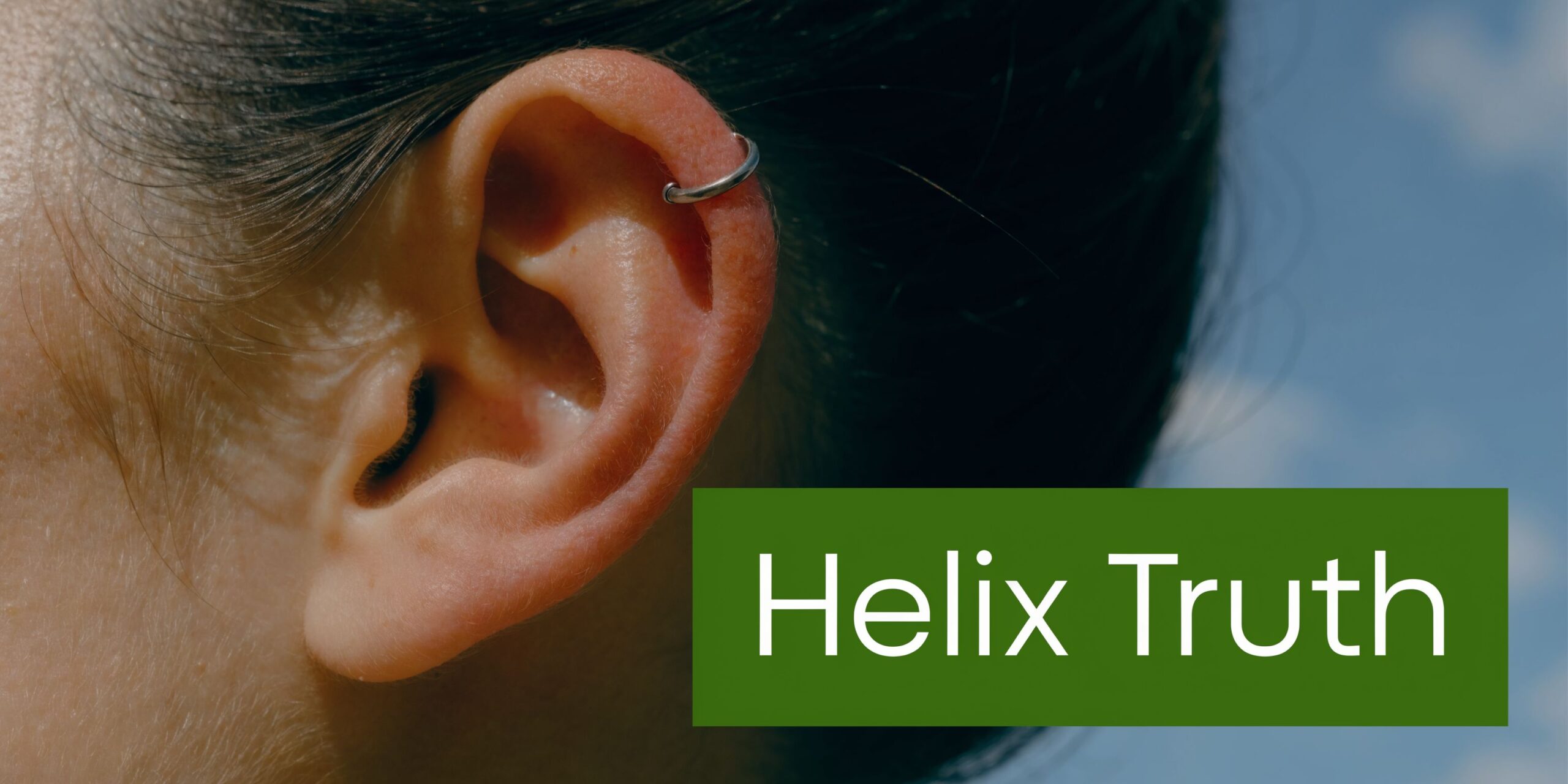
Clients come in wanting that clean, minimal ring sitting tight to the ear. I understand why. In the UK, helix hoops at 42% of all ear cartilage procedures accounted for 28% of total piercings performed in professional studios, a 47% increase since 2018, according to this write-up citing a 2023 BABP survey on how big a helix hoop should be.
The style goal is valid
The popularity makes sense. A helix hoop works with almost everything. It can look sharp, soft, understated, or stacked depending on the rest of the ear.
But what photographs well is not always what heals well.
A fresh cartilage piercing swells. It reacts to pressure. It gets irritated by movement. A ring introduces curve and rotation straight away, and that matters more in cartilage than it does in soft lobe tissue.
What clients usually picture versus reality
There is a big difference between:
- A healed fashion hoop that sits close and tidy
- An initial healing hoop that needs extra room
- A professional recommendation based on anatomy, pressure, and recovery
If someone insists on being pierced with a hoop from the start, the jewellery that is safest for that job rarely looks like the dainty ring they imagined. It is usually larger, less snug, and more awkward during healing.
The goal should be a healed hoop, not just a hoop on the day of piercing.
That shift in mindset saves a lot of frustration later.
The proper question
Instead of asking, “Can I get my helix pierced with a hoop?” the better question is, “What gives me the best chance of wearing a hoop comfortably once it has healed?”
That answer is much more consistent. Good placement. Implant-grade jewellery. A sterile needle. Solid aftercare. And, in most cases, starting with a stud even if your final goal is a ring.
Why a Stud Is Your Hoop's Best Friend for Initial Healing
If your goal is a helix hoop, the fastest route is usually not starting with a hoop.
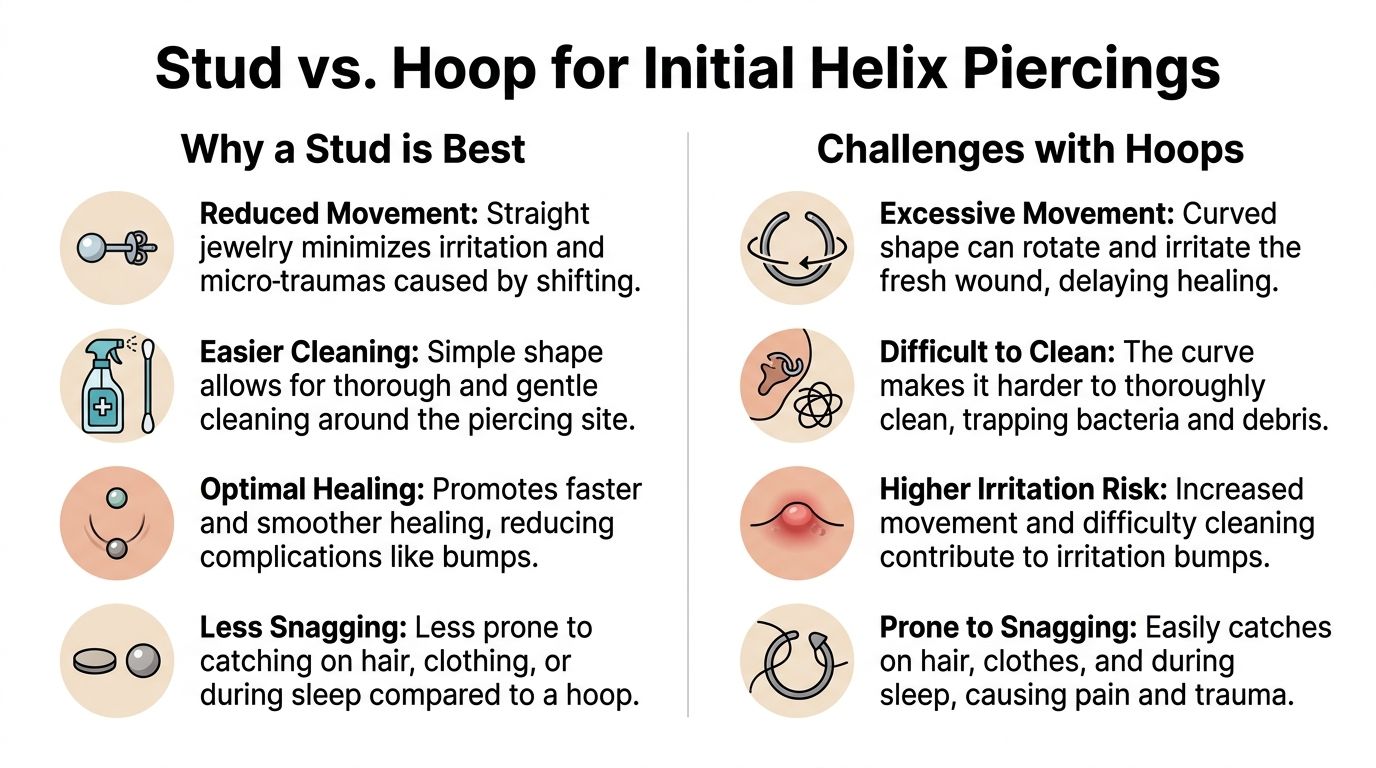
A labret stud gives fresh cartilage the stability it needs in the early stage. That is why experienced piercers recommend it so often. It is not about being overly cautious or blocking the look you want. It is about giving the piercing the best chance to heal cleanly, stay comfortable, and sit properly once you do switch to a ring.
Why straight jewellery gives cartilage an easier job
A fresh helix needs as little disruption as possible. Straight jewellery stays in one position far better than a ring. That matters every day. Hair catches it. Towels brush it. Headphones press on it. Sleep puts sideways pressure on it.
A hoop keeps introducing motion into a piercing that is trying to settle down.
With a stud, the channel can form around a stable shape. With a hoop, the tissue has to deal with a curve and repeated rotation at the same time. In practice, that often means more swelling, more irritation bumps, and a longer healing period.
The trade-off clients feel straight away
At Timebomb Studios, this is one of the most common conversations we have. Clients usually want a neat, close-fitting hoop. The jewellery that gives a fresh helix enough room to cope with swelling is usually larger and less flattering than expected.
This presents the primary trade-off. You can prioritise the healed result, or you can prioritise having a ring in on day one.
Often, a stud is the better call because it keeps the piercing calmer while we heal it at the correct angle for a future hoop. If you are still comparing studios before booking, our guide on where to get a helix piercing safely explains what good consultation and jewellery standards look like.
Stud versus hoop in practical terms
| Jewellery choice | What usually works in practice | What often causes trouble |
|---|---|---|
| Stud | Better stability, easier cleaning, less pressure from rotation | Trouble if the post is too short or poor quality |
| Hoop | Looks closer to the final style you want | Movement, snagging, uneven pressure, delayed healing |
A well-fitted stud is not a shortcut or a placeholder. It is the jewellery that gives us the most control during the part of healing where cartilage is easiest to irritate.
What I tell clients who really want the hoop now
Fresh cartilage can look calm on the outside before the inside is ready. That is where people get caught out. They assume less redness means healed, switch too early, and the ear flares up again.
A helix often needs months of steady, uneventful healing before a ring becomes a sensible change. Good aftercare helps, but jewellery choice still affects how much friction and pressure the piercing deals with every day.
If your end goal is a hoop, the stud is the tool that gets you there with less irritation and a better final result.
What causes repeat problems
These are the patterns that slow healing down most often:
- Changing too early because the outside looks settled
- Choosing a tight ring for appearance instead of leaving room
- Sleeping on the piercing and adding pressure night after night
- Using low-quality metal in an already irritated ear
The boring answer is usually the one that works. Start with a stud. Let the helix mature properly. Then change to a hoop when the tissue can handle it.
Your Piercing Appointment What to Expect at Our Studios
A good appointment should feel organised, calm, and clear. You should know what is happening, why it is happening, and what your options are before any needle comes near you.
If you are still deciding on placement, our guide on where to get a helix piercing helps you compare what to look for in a proper studio.
The consultation comes first
For a helix, we start by looking at your anatomy. Not every rim supports every look.
If your aim is a future hoop, we discuss that before piercing. The angle, entry point, and jewellery choice all affect how that hoop will sit later. A helix placed badly for a ring can be awkward forever.
We also cover practical points:
- Your preferred final look. Snug, slightly loose, plain ring, gemmed ring, or stacked styling.
- Your lifestyle. Headphones, helmets, sport, hair length, and sleeping habits all matter.
- Your healing tolerance. Some people want the easiest route. Others are set on a particular aesthetic and need honest guidance on the trade-offs.
Jewellery and setup
For fresh cartilage, we use implant-grade jewellery chosen for safety and healing, not just appearance.
The piercing area is marked carefully so you can check placement in the mirror. This part should never be rushed. A few extra minutes here can prevent months of annoyance later.
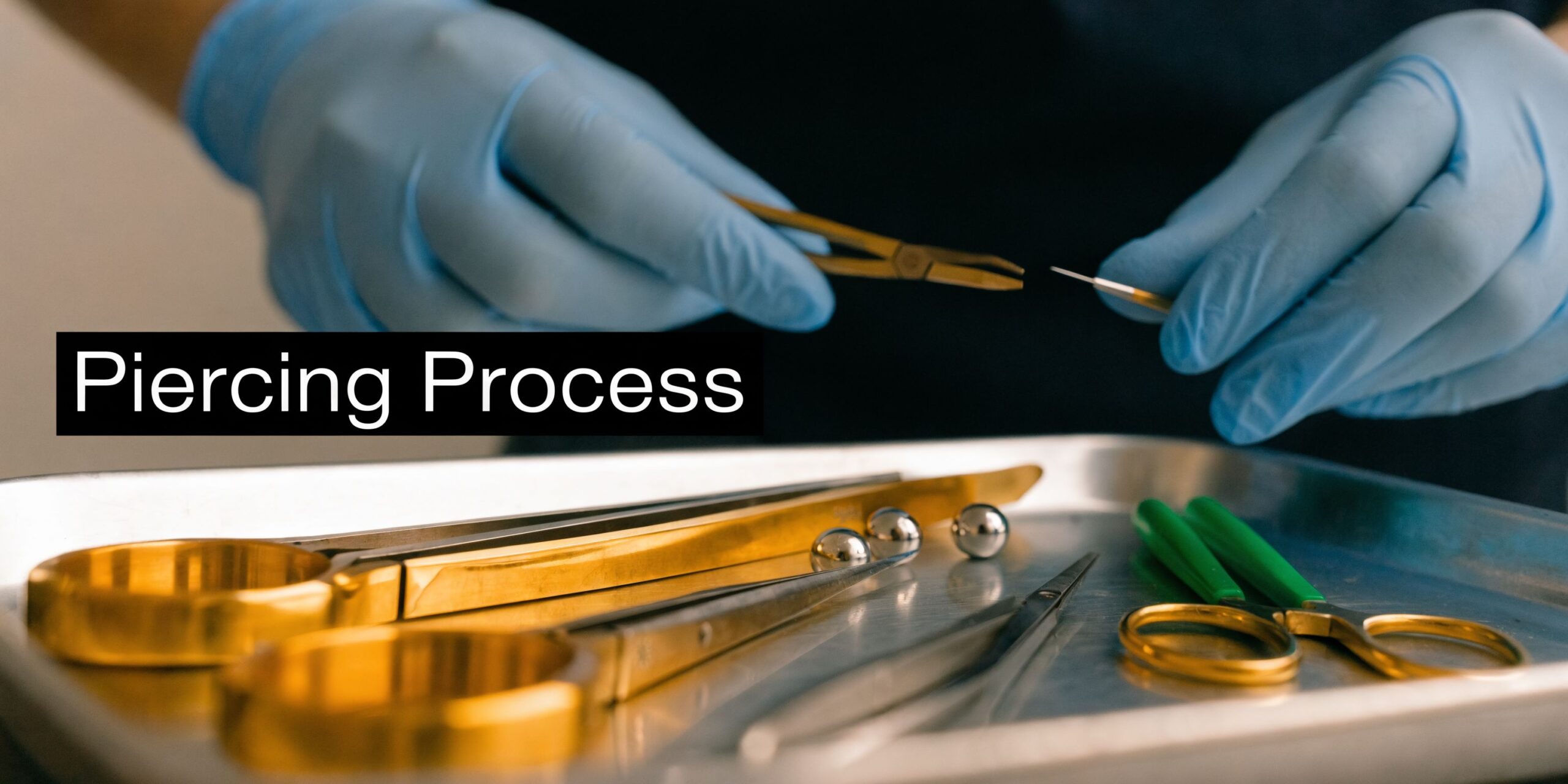
Then we set up sterile, single-use equipment and open what we need in front of you. Professional piercing should look professional.
If a studio is vague about jewellery material, aftercare, or sterile procedure, walk away.
The piercing itself
The actual piercing is quick. Most of the appointment is preparation, placement, and aftercare advice.
You sit in a supported position. We clean the ear, confirm the mark, and pierce with a sterile single-use needle. The jewellery is inserted immediately after. Then we check the fit and make sure the piece sits correctly without excess pressure.
A well-run appointment feels controlled rather than dramatic.
Before you leave
You should leave with clear aftercare instructions and a chance to ask questions. No guessing later.
For bookings or a consultation with our team at Timebomb Studios, call 01202 9000 50 or message WhatsApp 07752913846. If you are choosing between Croydon and Bournemouth, we can help you book the most convenient studio and talk through the trade-offs so you can make the right decision for your ear and your style.
Helix Healing Timeline and Aftercare Masterclass
The hardest part of a helix is rarely the appointment. It is the weeks after, when the piercing starts feeling normal and you are tempted to treat it like it is healed.
It is not.
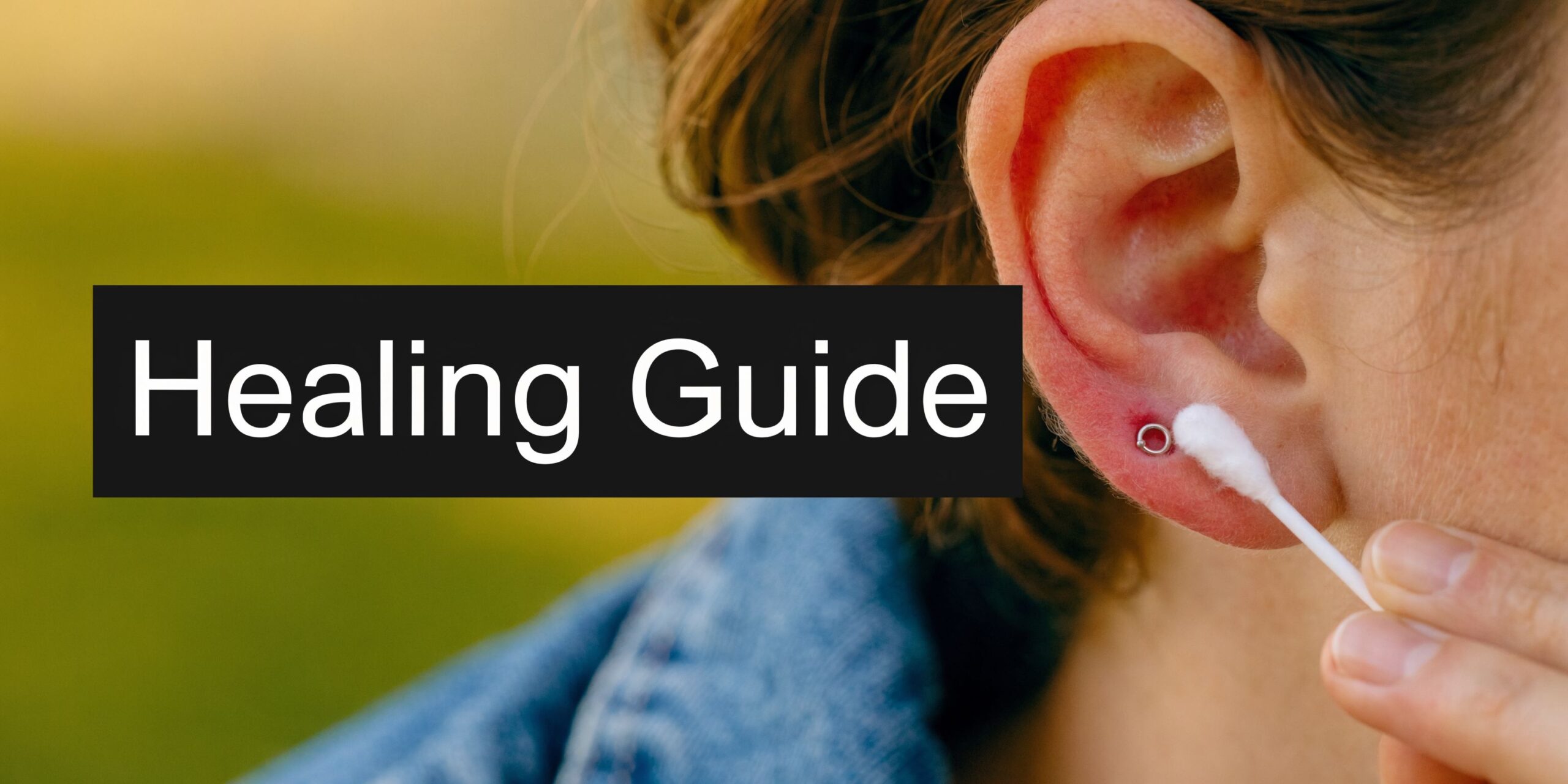
If you want a fuller breakdown of cleaning basics, our page on aftercare for helix piercing is a useful companion.
The first phase
Early healing is about swelling, tenderness, and keeping the piercing calm.
You may notice warmth, mild redness, and the ear feeling fussy if it gets knocked. That does not automatically mean something is wrong. Cartilage can be temperamental.
Focus on consistency:
- Clean gently with sterile saline as advised by your piercer.
- Wash your hands first if you need to touch the area at all.
- Leave the jewellery in place. Twisting and turning only creates irritation.
- Keep pressure off it when sleeping.
Do not rotate a fresh helix piercing. Old advice dies hard, but it does not help healing.
The middle phase
People often get overconfident during this phase.
The outside often looks far better than the inside feels. Tenderness may settle, crusting may reduce, and the area can seem almost finished. Internally, the tissue is still building strength.
This stage is where avoidable setbacks happen most often. Hair catches it. Headphones press on it. Someone swaps jewellery early because it “looks fine”.
Common irritants in this stretch include:
- Phones and headphones
- Hair products
- Pillow pressure
- Hats and helmets
- Picking off crusties
A helix that is improving slowly is usually still on track. A helix that keeps getting knocked back needs fewer disturbances, not more products.
The later phase
By the later stage, the piercing should feel settled most of the time. That does not mean you can be rough with it.
Cartilage healing rewards patience. The ear should be comfortable during normal daily life before you even think about changing to a ring. If sleeping on that side still makes it angry, it is not ready.
What helps and what usually makes things worse
| Helpful habit | Why it helps |
|---|---|
| Travel pillow or donut pillow | Takes pressure off the ear during sleep |
| Tying long hair back | Reduces snagging and accidental pulls |
| Simple saline routine | Keeps care consistent without overdoing it |
| Returning for a check-up | Lets a piercer assess fit and irritation early |
| Unhelpful habit | Why it causes trouble |
|---|---|
| Over-cleaning | Dries and irritates the area |
| Tea tree oil or harsh products | Can inflame already sensitive tissue |
| Changing jewellery for an event | Resets healing if done too soon |
| Sleeping directly on it | Causes pressure bumps and soreness |
Normal versus not normal
Usually normal
- Mild swelling
- Light crusting
- Tenderness after a snag
- Occasional flare-ups if you sleep on it
Needs professional or medical advice
- Increasing heat and pain
- Thick discoloured discharge
- Swelling that keeps worsening
- Jewellery embedding into the tissue
A helix often heals in a non-linear way. Better for two weeks, grumpy for three days, calm again. That pattern is common. Constant worsening is not.
The best aftercare is usually the least dramatic. Clean it properly. Do not fiddle with it. Protect it from pressure. Give cartilage the time it asks for, not the time you hoped for.
The Big Switch When and How to Change to a Hoop
Switching from a stud to a ring is often eagerly anticipated. It is also the point where rushing can undo months of decent healing.
Your readiness checklist
Before changing to a hoop, the piercing should be calm in everyday life.
Look for these signs:
- No pain when the area is touched lightly
- No active crusting or discharge
- No irritation bump
- No soreness after sleeping nearby
- No feeling of tightness around the jewellery
If any of those are still happening, wait.
The first change is best done by a piercer. That matters even more with cartilage because the angle can be awkward and the jewellery fit needs to match your anatomy, not just your Pinterest board.
Choosing the right hoop
Once healed, you have more freedom, but not every ring feels the same.
Clients choosing a helix piercing with hoop often consider:
- Seam rings for a clean, minimal look
- Clickers for easier opening and closing
- Captive bead styles for a more classic piercing look
Material still matters. Stick with implant-grade titanium if you have any history of sensitivity or if the piercing is only recently settled.
Diameter matters too. A ring that is too tight can pinch and sit awkwardly. A ring that is too large moves more than people prefer. The right size depends on placement and ear shape, which is why having a piercer fit the first hoop is worth it.
If you are comparing styles, our guide on what huggie earrings are can help you understand why some snug ring styles work better than others once a helix is fully healed.
How the first change should happen
A proper first swap is simple but precise.
The piercer checks the channel, confirms the piercing is mature enough, removes the stud carefully, and fits the new ring without forcing the tissue. If the hoop feels too snug, too loose, or sits at a strange angle, that gets corrected there and then.
Trying to do that yourself with stiff fingers and a bathroom mirror is how people scratch the channel, drop jewellery, and irritate a piercing that had finally settled.
For most clients, the smartest route is straightforward. Heal with a stud. Book in for the first change. Leave wearing the hoop you wanted in the first place, but without gambling on the result.
Troubleshooting Common Helix Piercing Issues
When a helix acts up, the cause is often mechanical. Pressure, movement, snagging, or poor jewellery fit are common culprits.
Irritation bump
Symptom
A raised bump near the entry or exit point. Often tender, sometimes stubborn.
Likely cause
Pressure while sleeping, jewellery movement, snagging, or cleaning too aggressively.
What to do
Go back to basics. Reduce pressure, keep aftercare simple, and stop touching it. If the bump keeps returning, have the jewellery fit checked by a professional.
Soreness that comes and goes
Symptom
The piercing is mostly fine, then suddenly angry for a day or two.
Likely cause
A knock, sleeping on that side, headphones, hair wraps, or changing pillow habits.
What to do
Think back over the last day. Cartilage often reacts to a specific trigger. Remove the trigger and give it a few calm days before judging the piercing.
Suspected infection
Symptom
The ear is increasingly hot, painful, swollen, and producing discharge that looks concerning.
Likely cause
Possible infection rather than simple irritation.
What to do
Do not remove the jewellery on your own. Get medical advice promptly and speak to your piercer as well so both sides of the problem are handled properly.
Irritation is common. Infection is less common. Panic makes it harder to tell the difference, so get the piercing assessed if symptoms are escalating rather than settling.
Crooked feel or migration worry
Symptom
The piercing seems to sit differently than it did before, or the angle looks off.
Likely cause
Ongoing pressure, unsuitable jewellery, or healing stress over time.
What to do
Book a check-up. If the angle has changed, early assessment gives you the best chance of deciding whether the jewellery can be adjusted, the piercing can recover, or it should be retired and redone later.
If you are worried, ask. A quick professional look is better than weeks of guessing.
Ready for Your Helix Hoop Book Your Consultation Today
If you want a helix hoop that sits well and stays comfortable, the smart plan is to pierce for the hoop, then heal with a stud first.
That is the trade-off we talk through every day at Timebomb Studios. Some ears can technically take a ring from day one, but in practice a stud usually gives cartilage a calmer, faster start and makes the later switch to a hoop far less frustrating. If your goal is a good-looking ring you can wear long term, proper placement, implant-grade jewellery, and realistic healing advice matter more than rushing the first step.
We pierce in Croydon and Bournemouth, and we are happy to assess your anatomy, discuss whether a hoop goal is realistic for your ear, and map out the safest route to get there.
Quick answers before you book
Can I ask for a hoop at my consultation?
Yes. Tell us your end goal straight away so we can place the piercing to suit a future hoop.
Does a needle matter?
Yes. Cartilage should be pierced with a professional needle, not a gun, because accuracy and tissue control matter.
Can I come in if I am unsure about placement?
Yes. A placement check helps avoid a hoop that sits too tight, too loose, or at an awkward angle later.
Should my first jewellery change be done in the studio?
Yes. For a helix, that first change is usually smoother and safer when a piercer handles it.
If you want clear advice on stud versus hoop, or you are ready to book, call 01202 9000 50 or message WhatsApp 07752913846.
If you are looking for a trusted place to start, Piercing Near Me helps you find safe, professional piercing services and connect with experienced teams at Timebomb Tattoo & Piercing in Croydon and Bournemouth.