
A single dermal piercing in the UK usually sits at £45 to £90 as a starting point. That said, the overall dermal piercing cost isn't just the figure you're quoted on day one, because jewellery, aftercare, follow-up help, and possible removal can all change what you ultimately spend.
If you're checking prices right now, you're probably seeing a mix of low headline fees, vague “from” prices, and not much explanation about what's included. That's where first-time clients get caught out. A dermal isn't like buying a simple accessory off a shelf. It's a precision procedure involving a small anchor placed under the skin, careful placement, sterile single-use equipment, and jewellery that needs to be suitable for implantation.
The cheapest quote often looks attractive until you realise it may not include the better jewellery option, proper aftercare products, or the time an experienced piercer spends assessing whether your chosen placement is likely to heal well. A higher quote can feel frustrating at first, but in practice it often buys cleaner technique, better materials, and fewer problems later.
Understanding Your Dermal Piercing Quote
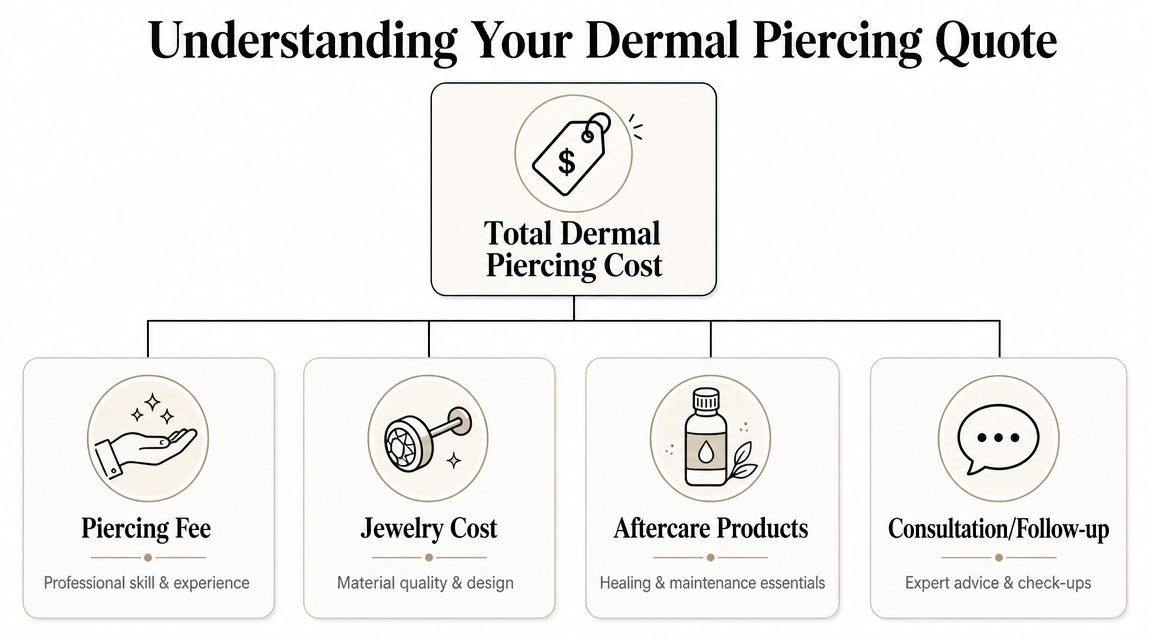
When clients ask about dermal piercing cost, the first mistake I try to clear up is this. You are not only paying for a few minutes of insertion time. You're paying for a professional service, the same way you would with a qualified electrician or a good dental hygienist. The visible result may look small, but the work behind it is technical.
UK studios commonly charge around £45 to £90 per dermal or surface piercing, and a proper quote should cover the procedure, the jewellery and aftercare, not just the insertion. Those references also point out that sterile consumables, implant-grade jewellery, and cross-contamination controls are major cost drivers, which is why a very low price may leave out important parts of the service (general piercing price benchmarks).
What the quote is really covering
A proper quote usually includes several layers of work, even if the client only sees one final price.
- Consultation time means checking the area, discussing placement, and deciding whether that part of the body is realistic for a dermal.
- Sterile procedure setup includes single-use items, a clean field, and safe working practice that reduces contamination risk.
- Implant-grade jewellery matters because the anchor sits under the skin. This is not the place to cut corners on material quality.
- Technique and judgement are part of the fee. A good piercer is pricing their ability to choose the right angle, depth, and placement for your anatomy.
Practical rule: If a quote sounds unusually cheap, ask what it includes before you compare it with anything else.
Why low prices can be misleading
A low advertised fee can mean the studio is only listing the procedure itself. Then the jewellery, aftercare saline, or any follow-up advice gets added separately. That doesn't automatically make the studio bad, but it does make comparison harder.
By contrast, a higher quote may already build in stronger material specification and safer handling. That's often the part clients don't see until they've had one piercing heal beautifully and another become a constant problem.
A fair dermal piercing cost should feel transparent. You should know what jewellery you're getting, whether aftercare is included, and what support is available if healing becomes awkward.
Key Factors That Change the Final Price
Two dermal piercings can look similar in a photo and still be priced differently for very good reasons. The final figure often reflects how demanding the placement is, what top you choose, who performs it, and how much risk management is involved.
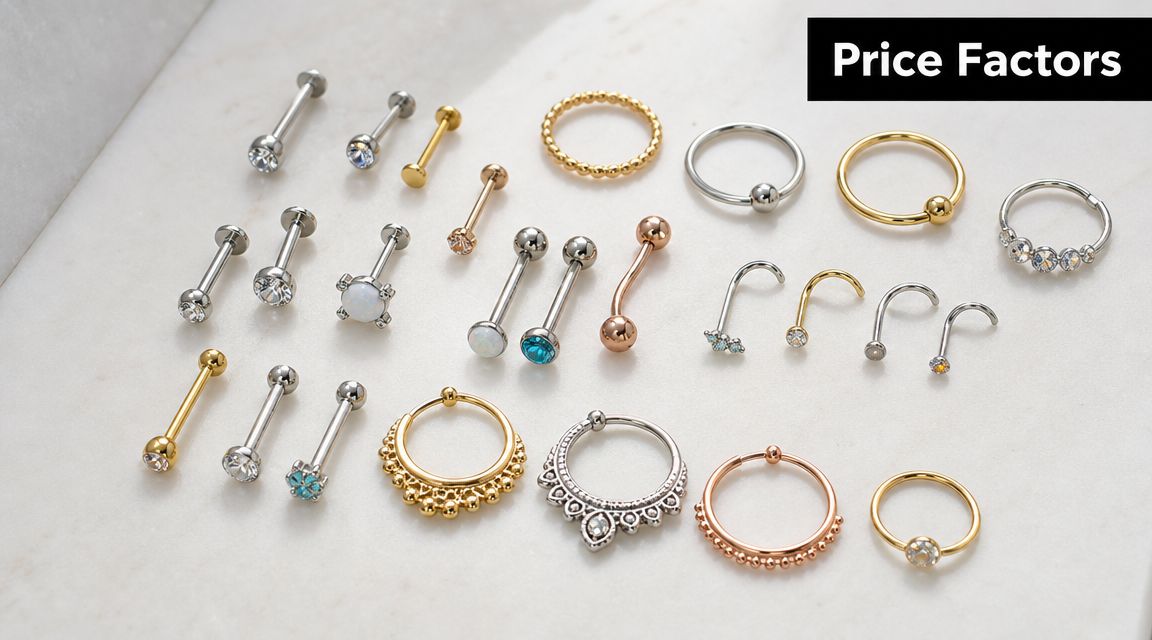
Jewellery choice changes the quote fast
The anchor may be the technical core of the piercing, but the visible top is where prices can shift. A plain implant-grade titanium top is usually the most sensible place to start. Decorative options, more complex finishes, or premium materials can raise the quote.
That's why “How much is a dermal?” is never fully answered by one flat number. If one studio includes a simple titanium top and another is pricing for a more decorative option, those quotes are not equivalent.
Placement difficulty matters
Some areas are straightforward to access and protect. Others are exposed to clothing friction, movement, sleeping pressure, or regular snagging. The harder the site is to place well and heal safely, the more care the piercer needs to take.
This is also where first-time clients benefit from an honest consultation. A piercer should be willing to say, “That spot may look good, but it's likely to be troublesome on your body.”
Experience is not just a branding premium
Reference guides note that dermal pricing is strongly affected by anatomical rejection risk, and that the anchor base is only about 6 to 7 mm long, which makes precise placement critical. The same guidance explains that experienced piercers often charge more because accurate site assessment and insertion can reduce migration and rejection risk, which may help clients avoid later removal or replacement costs (dermal anchor size and rejection risk).
That point is easy to underestimate until you realise how little room for error a dermal gives you. Tiny mistakes in depth or angle matter.
If you want a better sense of how this type of piercing works before booking, this guide to a microdermal anchor piercing gives useful background on the placement itself.
A dermal is small, but it isn't simple. The shorter the margin for error, the more valuable good judgement becomes.
Studio reputation and setup also affect cost
Studios with strong hygiene standards, solid portfolios, and experienced staff often price higher because their overheads are higher. Better jewellery stock, safer workflow, and more consistent client support all cost money.
That doesn't mean the most expensive option is automatically the best. It does mean the cheapest option shouldn't win by default. A good quote usually reflects a studio that has thought through the entire procedure, not just the appointment slot.
Dermal Piercing Costs at Our UK Studios
Clients usually want at least one clear example of what pricing can look like in real life. That's fair. General advice helps, but transparent studio pricing makes comparison easier.
Below is a simple sample table for starting prices. The exact quote can still vary depending on placement, jewellery choice, and whether you want anything beyond the standard setup.
Sample Dermal Piercing Prices at Timebomb Tattoo & Piercing (2026)
| Service | Studio Location | Starting Price |
|---|---|---|
| Single dermal piercing | Bournemouth | £45 (£70 for two) |
| Single dermal piercing | Croydon | £45 (£40 each additional) |
These are starting points, not a promise that every dermal idea costs the same. Some clients want a clean, minimal titanium look. Others want a more decorative finish, a more demanding placement, or extra guidance because it's their first advanced piercing.
What you should ask before booking
The best way to compare quotes is to ask direct questions:
- What jewellery is included in the starting price?
- Is aftercare discussed clearly at the appointment?
- Can I come back for a check if I'm worried about healing?
- If I want a different top later, how is that handled?
For broader studio pricing, this page on piercing prices helps place dermals alongside other services.
If you want a specific quote for your placement idea, call 01202 900050 (Bournemouth) / 020 8686 7730 (Croydon) or message 07752 913846 (Bournemouth) / 07902 490584 (Croydon) on WhatsApp. That's usually the quickest way to find out what's suitable for your anatomy and what your likely total starting cost will be.
Planning for Long-Term Dermal Care Costs
The biggest pricing mistake first-time clients make is treating the procedure fee as the whole cost. It rarely is. With dermals, the more useful question is not “What will I pay on the day?” but “What could this piercing cost me over the next several months?”
That gap shows up in a lot of online advice. Many guides focus on the initial fee and miss the wider UK picture, including aftercare products, follow-up checks, and removal if the anchor rejects. That's exactly why the “first-day price versus 12-month cost” question matters so much for new clients (true total cost over time).
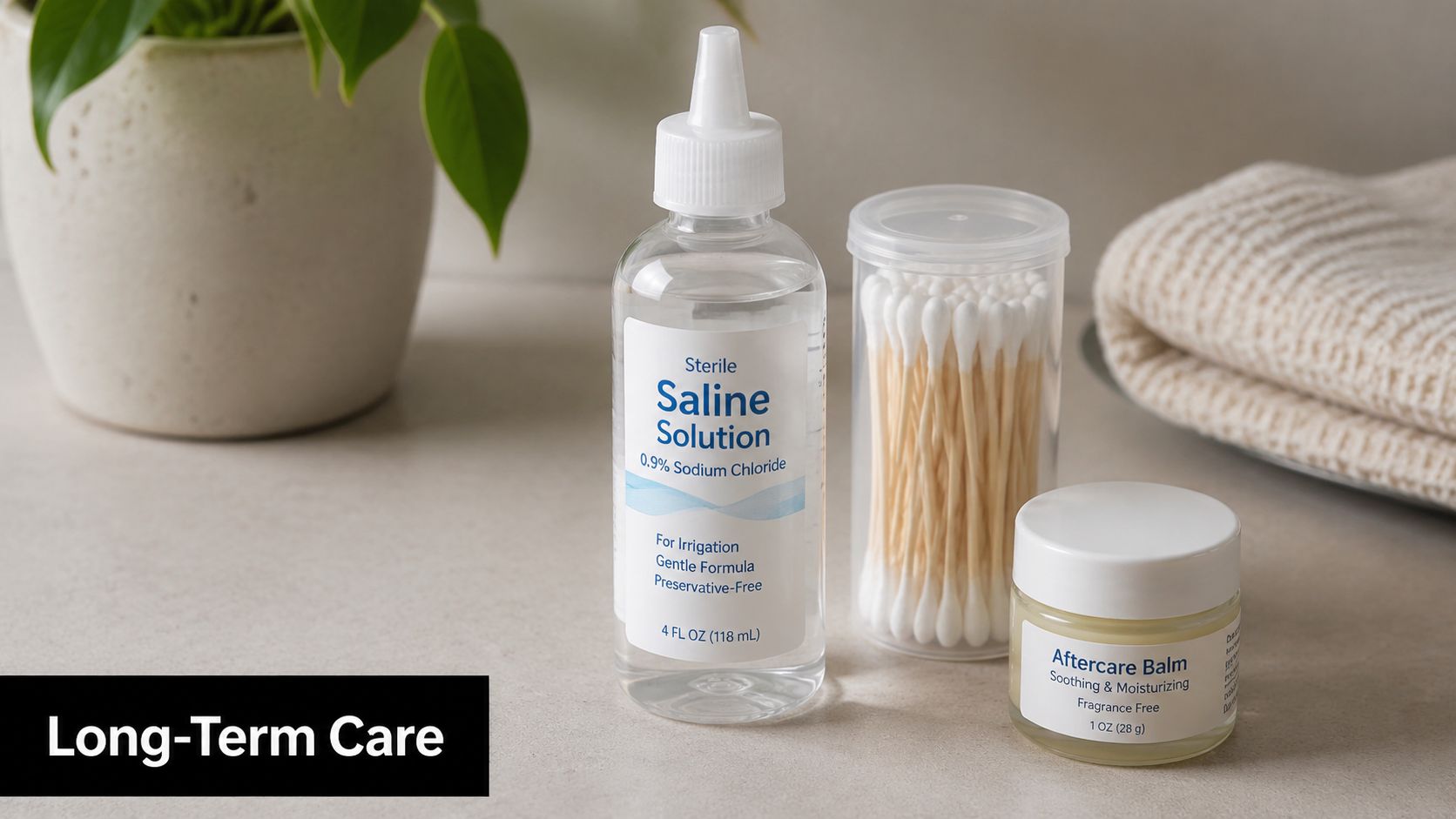
The costs people forget to budget for
A dermal can heal smoothly, but it still needs maintenance. Common follow-on costs include:
- Aftercare supplies such as sterile saline wound wash and clean disposable materials for routine cleaning.
- Jewellery changes if you decide to swap the top once the piercing is stable and fully healed.
- Check-up visits if you want reassurance that the area is settling properly.
- Professional removal if the piercing starts to reject, catches repeatedly, or you don't want it anymore.
None of those are “extra” in the sense of being unusual. They're part of owning a higher-maintenance piercing.
First-day value versus long-term value
A cheaper initial appointment can become poor value if the jewellery isn't ideal, the placement wasn't well judged, or you leave with vague aftercare instructions and no support. A better appointment may cost more upfront and still save money later by reducing the chance of avoidable trouble.
This is why I tell clients to think in stages:
- Day one. Procedure, jewellery, and immediate aftercare.
- Healing period. Cleaning products, check-ins, and protecting the site from trauma.
- Later decisions. Top changes, troubleshooting, or removal if the piercing no longer suits you.
If you're budgeting tightly, plan for the piercing and the care. Don't spend your full budget on the appointment and leave nothing for healing support.
Jewellery changes and future upgrades
One smart approach is to heal with a straightforward titanium top and consider decorative upgrades later. If you're browsing options, it helps to understand the difference between safe implant-grade materials and jewellery chosen only for appearance. This guide to titanium piercing jewellery is a useful starting point.
A dermal can look tiny on the surface, but the commitment is larger than often expected. Budgeting for the full lifespan gives you a more realistic picture of the true dermal piercing cost.
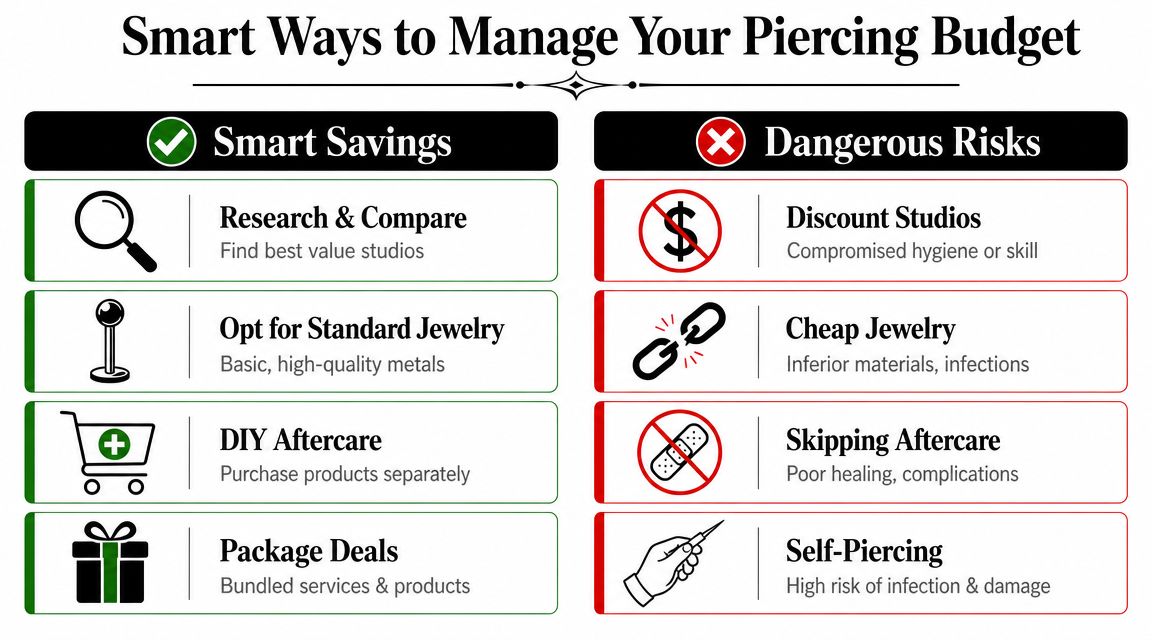
Smart Ways to Manage Your Piercing Budget
If you want to save money, save it in the right places. A careful budget is sensible. Cutting corners on hygiene, jewellery quality, or technical skill is not.
Smart savings that usually work
Not every saving is a bad one. These are the choices that often keep the piercing safer while still helping you control the total spend.
- Start simple: Choose a plain implant-grade titanium top first. Heal well, then upgrade later if you still want something flashier.
- Ask for full-price clarity: Get the complete quote in writing or message form, including what's included and what isn't.
- Buy proper aftercare once: The right cleaning products are cheaper than trying to fix irritation caused by poor care.
- Pick the placement wisely: A practical placement that gets less friction may save you money and stress later.
False economies that cost more later
The “bargain” option in body piercing often creates the more expensive outcome.
| Choice | What sounds cheap | What often goes wrong |
|---|---|---|
| Unclear headline fee | Lower starting figure | Add-ons appear later |
| Mystery-metal jewellery | Lower material cost | Irritation, poor healing, replacement |
| Inexperienced operator | Lower labour cost | Bad angle, migration risk, removal |
| Skipping aftercare | Saves money today | Longer healing problems |
Watch for this: If a studio is vague about jewellery material, sterilisation, or aftercare, the low price may be hiding the real compromise.
Red flags worth taking seriously
A first-time client doesn't need to know every technical detail, but you should notice basic warning signs.
- External-thread or unknown metal jewellery is not where you want to save money on an implanted piece.
- Extra charges for basic safety should raise questions. Sterile working practice is part of the job.
- No clear healed results portfolio makes it harder to judge the piercer's consistency.
- Poor communication before the appointment often predicts poor support after it.
A good dermal piercing cost should feel justified. You should be able to see where the money is going and why it improves your chances of a stable, well-placed piercing.
Your Dermal Piercing Cost Questions Answered
Is removal included in the original piercing price
Usually, you should assume it isn't unless the studio tells you otherwise. Removal is a separate professional service because it requires assessment, sterile handling, and care for the site afterwards.
Can I save money by bringing my own jewellery
In most cases, that's not a safe or useful shortcut for a fresh dermal. The jewellery needs to be suitable for the procedure, correctly sized, compatible with the anchor system, and sterile for insertion. Saving money here often creates more risk than value.
Are consultations charged separately
That depends on the studio. Some build consultation time into the total price. Others may separate it out, especially if you need a longer placement discussion. The important thing is clarity before you book.
Do studios offer discounts on multiple dermals
Some may, but you shouldn't assume it. Multiple dermals increase planning, placement discussion, and healing responsibility. If a discount is offered, ask whether anything else changes, especially jewellery choice or follow-up support.
Why does one studio quote much less than another
The difference is often in what's included, the material quality, the piercer's experience, and the level of support around healing. Two prices can look close on paper and still represent very different standards of care.
What's the safest way to keep the cost sensible
Start with quality basics, choose a realistic placement, follow aftercare properly, and avoid treating the lowest quote as the best value. That approach usually costs less in the long run than chasing the cheapest appointment.
If you're ready to compare options or get a clear quote for your idea, Piercing Near Me makes it easy to find trusted UK studios and book with confidence. For direct help with dermal pricing, call 01202 900050 (Bournemouth) / 020 8686 7730 (Croydon) or send a WhatsApp message to 07752 913846 (Bournemouth) / 07902 490584 (Croydon).
Trackbacks/Pingbacks