
You're sitting in the studio chair, the jewellery has been chosen, and suddenly the question feels much bigger than it did at home: will ear piercing hurt? You may be expecting a dramatic, lasting pain, but most people experience a brief pinch or pressure followed by tenderness. Anxiety can also make ordinary sensations feel more intense, especially when you're watching every movement.
The honest answer is that ear piercing does hurt to some degree, because a needle passes through living tissue. That doesn't automatically mean anything has gone wrong. The useful question is what the pain feels like, where the piercing is placed, and whether the discomfort gradually settles or starts getting worse.
Understanding Why Ear Piercing Hurts
A first-time client often grips the chair just before the piercing, expecting the worst. The needle passes through, the jewellery is fitted, and the procedure is over before the fear has had time to catch up. What remains is usually a warm, tender feeling rather than the severe injury the client imagined.
That sensation comes from a controlled break in the skin. Your nerves detect the change, and your body creates a small inflammatory response to protect the area. Pain is therefore a normal part of tissue healing, not automatic evidence of poor technique or a dangerous procedure.
Your state of mind matters, too. Tensing your shoulders, holding your breath, or staring anxiously at the equipment can make a short sensation feel sharper. A calm explanation, steady breathing, and a piercer who tells you what will happen can make the appointment feel much more manageable.
A calm expectation helps: the piercing itself is brief, while the tenderness afterwards is the part you'll notice for longer.
The location makes a difference. Soft earlobe tissue usually settles more easily than dense cartilage, and pressure from sleeping, headphones, hair, or helmets can bring soreness back during healing. Later, we'll look at preparation, aftercare, and the signs that mean pain needs professional attention rather than reassurance.
Lobe Versus Cartilage Piercing Pain Compared
The earlobe and the upper ear may look close together, but they behave differently during and after piercing. The lobe contains relatively soft, well-vascularised tissue. A helix, tragus, conch, or industrial placement passes through denser cartilage and its surrounding tissue, where reduced blood supply can prolong inflammation and recovery, as described in this UK pharmacy review of ear-piercing infections.
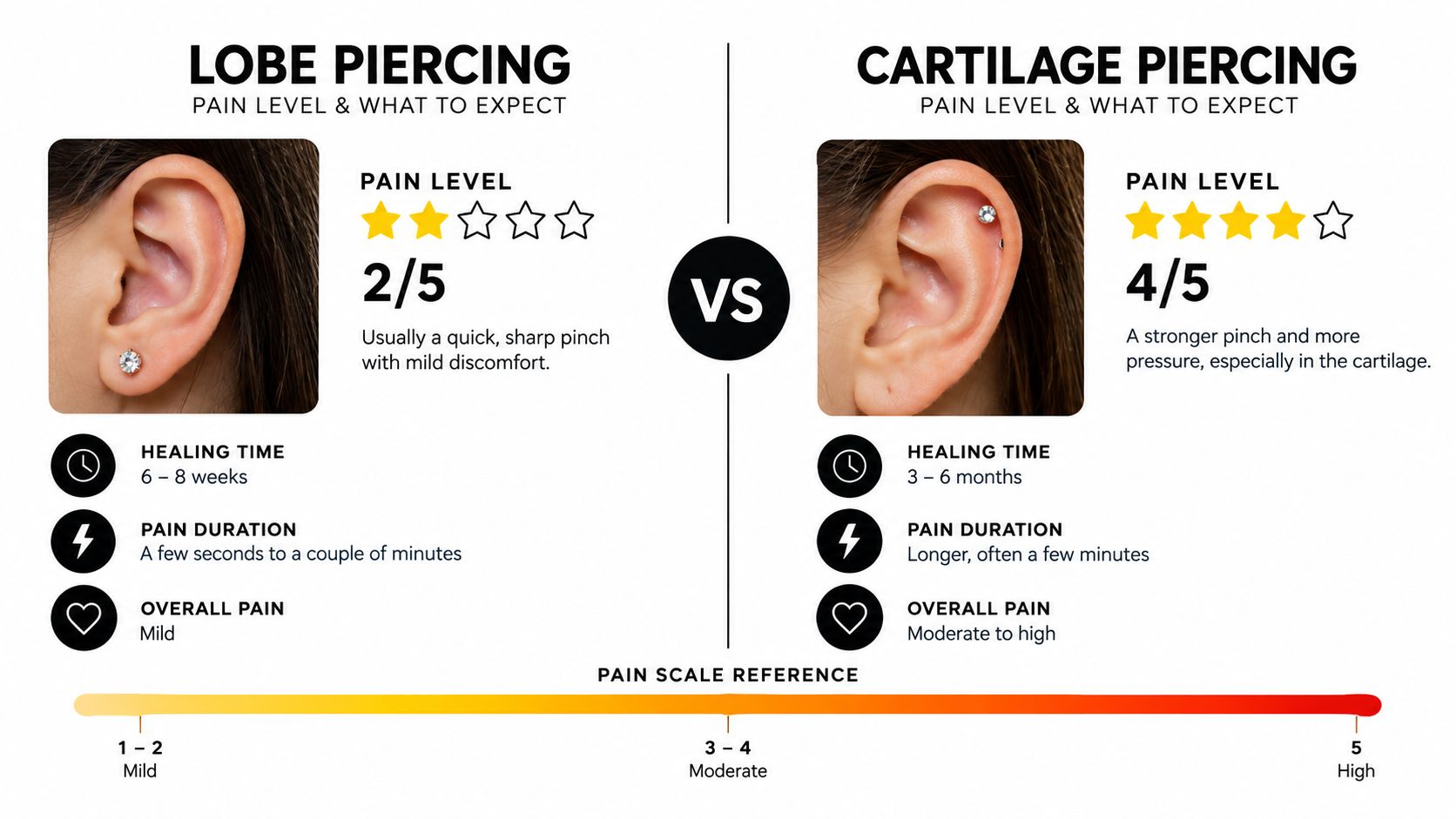
| Placement | Pain Level | Typical Duration | Healing Time |
|---|---|---|---|
| Lobe | Usually milder | Brief pinch, then tenderness | Often settles sooner |
| Helix | More noticeable | Soreness can linger | Longer than a lobe |
| Tragus | Firm pressure | Tenderness may recur with contact | Longer cartilage recovery |
| Conch | Deeper pressure | Can remain sensitive after the appointment | Extended cartilage healing |
| Industrial | Greater overall loading | Two connected sites can stay sore | Extended cartilage healing |
These descriptions are useful comparisons, not guarantees. Anatomy, jewellery fit, technique, stress, and accidental knocks all affect the experience. A standard lobe piercing often feels like a quick pinch. Cartilage can feel sharper or deeper because the needle meets firmer tissue, and the area may remain sensitive when pressed.
The pain pattern matters more than a single moment. Mild soreness that slowly improves is generally more reassuring than pain that becomes stronger, hotter, or more swollen. If you're considering a higher placement, read this guide to cartilage piercing pain before booking.
A practical rule is simple: the denser the cartilage and the more pressure the jewellery receives, the more patience your ear may need. That doesn't make cartilage unsuitable for a first piercing, but it does make placement and daily habits important.
The Biology of Piercing Pain and Healing
A piercing needle creates a narrow wound. Nerve endings, sometimes called nociceptors, detect the tissue disruption and send a pain signal. Your body then increases local inflammatory activity, which can cause short-lived tenderness, warmth, swelling, and mild redness.
Soft tissue is a little like pressing a needle through a cushion. Cartilage is closer to pushing through firm rubber. The difference in resistance helps explain why a lobe and a helix can feel so different, even when the piercer uses the same careful process.
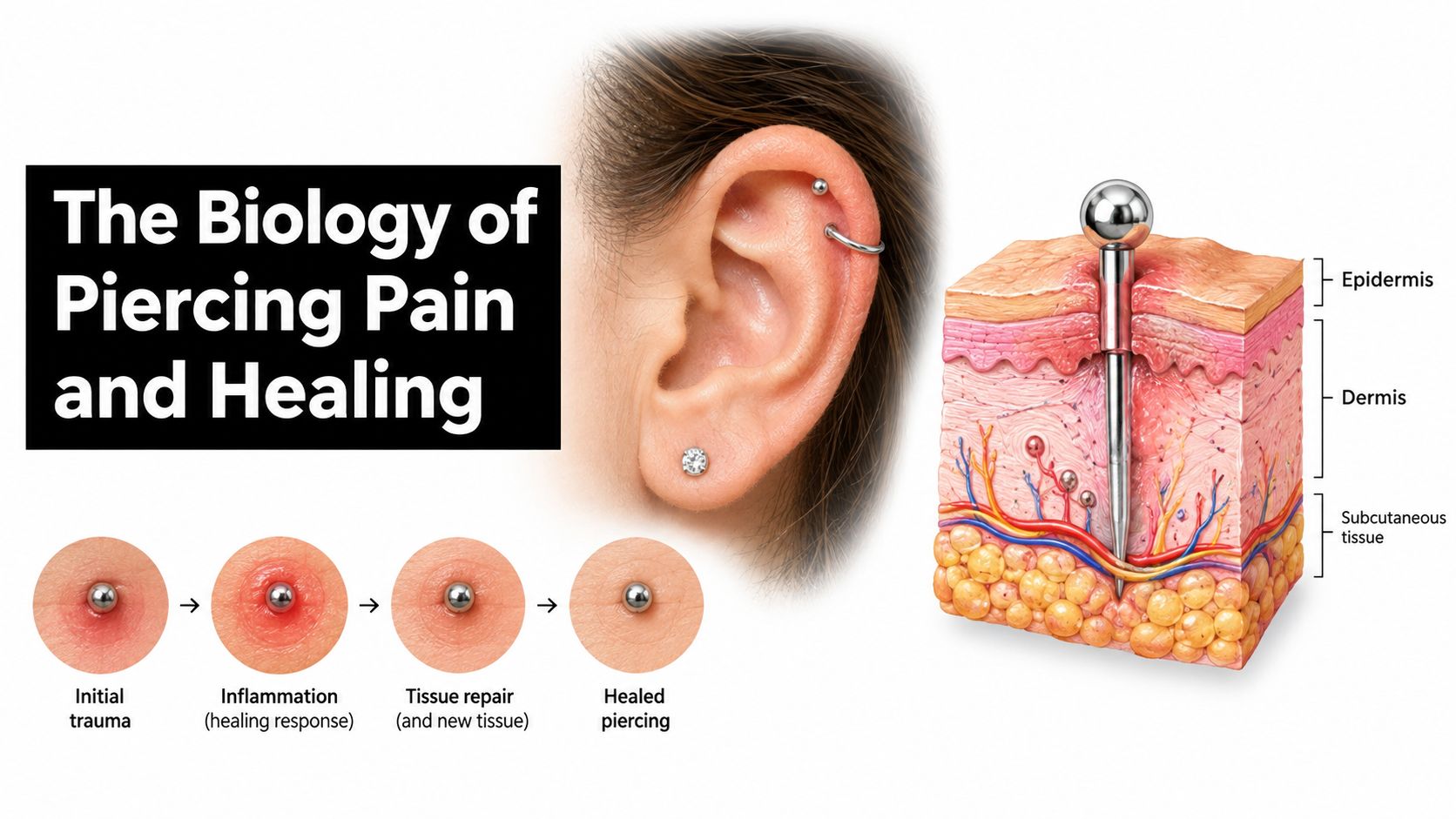
Normal early healing can include a little itching, tenderness, mild swelling, and pale fluid that dries into a clear or light crust. Those symptoms should generally become less intrusive over time. More pain doesn't necessarily mean a worse piercing, because placement and tissue density strongly influence sensation.
A major UK study published in 2008 examined 1,940 non-earlobe body piercings in England. It recorded a reported complication in 533 cases, or 27.5%, with a 95% confidence interval of 24.8% to 30.3%. The reported problems included swelling, infection, bleeding, and pain-related symptoms. In 250 cases, or 12.9%, people sought further professional help. These figures come from non-earlobe piercings, so they aren't a direct estimate for a standard lobe piercing, but they show why ongoing discomfort deserves attention. The details are available in the UK study on complications from body piercing.
Pain should have a direction. Stable tenderness can be part of healing, while steadily increasing pain needs an explanation.
Practical Tips to Reduce Piercing Pain
You can't remove every sensation from piercing, but you can avoid many sources of unnecessary irritation. Preparation also helps you stay relaxed enough to communicate clearly with your piercer.
Before the appointment
Eat a proper meal and drink water before you arrive. Don't turn up feeling faint, rushed, or dehydrated. Wear clothing that won't catch on the jewellery, and tell the studio about allergies, relevant health conditions, or medication that may affect you.
Avoid using unverified numbing products unless your piercer has specifically advised you. A numbing cream can alter the skin and may interfere with the procedure or assessment. Your studio should explain what preparation is suitable for the placement you've chosen.
During the procedure
Choose a professional who explains the placement, marks the position with you, and answers questions without rushing. Single-use sterile needles and correctly fitted, body-safe jewellery help the piercer work precisely and reduce avoidable tissue trauma. Jewellery should allow room for expected swelling without pressing tightly into the skin.
Good communication matters more than trying to appear brave. Tell the piercer if you feel dizzy, need a pause, or want the steps explained again. Slow breathing keeps you from clenching your jaw and shoulders, which can make the appointment feel more difficult.
Immediately afterwards
Keep your hands away from the fresh piercing unless you're following the aftercare routine. Don't twist the jewellery to “test” it, and avoid sleeping directly on the ear. Headphones, helmets, hair, and phone contact can all add pressure.
Historical UK medical evidence also shows why hygiene and symptom awareness matter. A 1999 survey of 209 general practitioners in the Bury and Rochdale areas received 113 responses from doctors who had treated patients after inadequate or unsuccessful body piercing. Their reports included 167 ear-piercing cases. The cited review reported local infection or bleeding in approximately 10% to 30% of piercings, ear piercing represented 35% of complications treated by the surveyed GPs, and infection represented 78% of admissions in the cited evidence. Pain appeared alongside redness, swelling, warmth, and purulent discharge as a warning symptom in the Lancet medical review.
Realistic Healing Timelines and Aftercare Routines
A new piercing can feel fine one day and tender the next after an accidental knock. That fluctuation doesn't always mean infection. Pressure, friction, and sleeping on the ear can restart irritation while the channel is still settling.
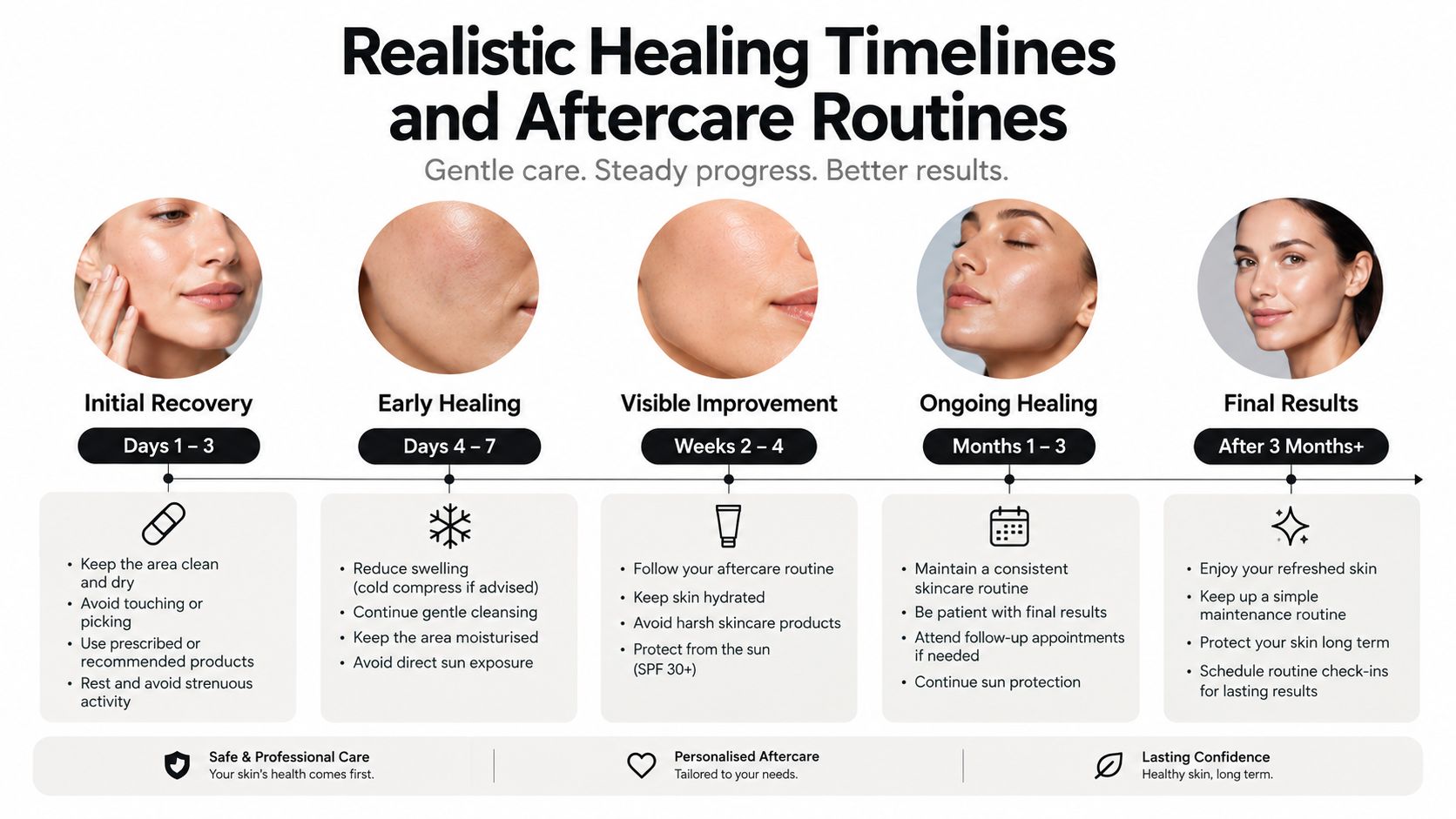
For a lobe, early tenderness often becomes easier to manage sooner than it does with cartilage. Cartilage can remain sensitive for considerably longer, particularly if the jewellery is pressed during sleep or caught by hair. Your piercer should give placement-specific guidance rather than promising that every ear will follow the same schedule.
What normal healing can look like
UK guidance from Braintree District Council describes early discomfort as potentially including tenderness, itching, mild redness, swelling, and a small amount of pale, odourless fluid that dries into a crust. These symptoms can persist for several weeks, but they should not steadily intensify. The Braintree ear and face-piercing guidance distinguishes this from severe burning, throbbing, increasing pain on touch, worsening redness or swelling, and foul-smelling yellow or green discharge.
Use the aftercare method supplied by your professional piercer. In general, that means gentle cleaning with the recommended sterile saline or other approved product, then allowing the area to dry without rubbing. Harsh antiseptics, repeated cleaning, and unnecessary touching can irritate healing tissue.
- Reduce pressure: Change how you sleep and keep headphones or helmets from compressing the site.
- Leave jewellery alone: Don't rotate, pull, or remove it just because the area feels tender.
- Contact the studio: Ask your piercer about fit, swelling, crusting, or a bump instead of experimenting with oils or strong household products.
For more detail on what different placements may need, see this guide to ear-piercing healing times.
Warning Signs and When to Seek Medical Help
Normal healing pain is usually mild or stable and gradually becomes less noticeable. Infection-related pain tends to move in the opposite direction. It may become throbbing, increasingly painful to touch, hot, swollen, or surrounded by spreading redness.
Use this quick check
- Likely irritation: The area is mildly tender after the appointment or a knock, and the discomfort starts settling when pressure is removed.
- Contact your piercer or seek medical advice: Pain is increasing, swelling is worsening, the skin is hot or markedly red or darkened, or pus or bleeding appears.
- Seek urgent NHS advice: You feel feverish, chilled, shivery, or generally unwell, or the outer ear becomes intensely painful and swollen.
Cartilage deserves particular care. UKHSA warns that infection of ear cartilage is more likely to be serious than infection of the earlobe and can involve Pseudomonas aeruginosa. Acute perichondritis may cause an intensely painful, red, swollen, and sometimes bleeding outer ear, and can progress to an abscess, cartilage damage, or permanent deformity. Read the UKHSA guidance on Pseudomonas perichondritis.
Contact your GP or NHS 111 when infection seems possible, and use emergency services for a serious or rapidly worsening condition. Don't casually remove jewellery unless a clinician tells you to, because closing the channel can complicate assessment or drainage.
Registration matters, but it isn't the whole quality check. UK government guidance says there are currently no legal requirements for professional competence and no nationally recognised or accredited training courses for tattooing and body piercing in England. Look for clear explanations, sterile or single-use equipment, clean working practices, suitable jewellery, and written aftercare, as outlined in the government infection-prevention guidance.
Choosing a Professional Studio to Minimise Discomfort
A careful studio reduces avoidable trauma before the needle touches your ear. During a consultation, the piercer should assess your anatomy, discuss jewellery size and material, explain the expected sensation, and answer questions about healing without dismissing your concerns.
Businesses providing piercing in England and Wales must register with the relevant local council and follow local byelaws covering staff hygiene and the cleanliness and safety of premises, furniture, and equipment. Those requirements can include cleansing or sterilising instruments and equipment, as described by GOV.UK's skin-piercing registration guidance.
Registration alone doesn't confirm consistent training, so observe the studio itself. Ask whether the needle is single-use, how instruments are sterilised, what jewellery material is used, and what support you'll receive if swelling or soreness changes. A professional should welcome those questions.
Piercing Near Me provides access to its verified Croydon and Bournemouth studios, where clients can review services and arrange consultations, walk-ins, or appointments. If you're comparing methods, this guide to piercing gun versus needle can help you prepare questions for your chosen studio.
Frequently Asked Questions About Ear Piercing Pain
How long should the initial jewellery stay in?
Keep the initial jewellery in for the period your piercer recommends for that placement. Don't switch to fashion jewellery just because the outside looks settled, since the internal channel may still be fragile. Ask the studio to assess the fit and change it when appropriate, particularly for cartilage.
Can sleeping on a new piercing cause lasting damage?
Sleeping directly on it can create pressure, friction, swelling, and recurring soreness. A single accidental night doesn't automatically mean lasting damage, but repeated pressure can prolong irritation and may affect the angle or comfort of the jewellery. Use a clean pillowcase and change your sleeping position while the piercing heals.
How can I check that a studio follows professional standards?
Ask to see how the studio prepares the area and handles sterile equipment. Confirm that the needle is single-use, ask what material the initial jewellery is made from, and request clear written aftercare. You can also check whether the business is registered with the relevant local council, while remembering that registration doesn't itself prove nationally standardised professional training.
For questions about placement, jewellery, or a piercing that has become sore, contact the studio before trying a home remedy. Piercing Near Me can be reached on 01202 900050 (Bournemouth) / 020 8686 7730 (Croydon) or by WhatsApp on 07752 913846 (Bournemouth) / 07902 490584 (Croydon).
Piercing Near Me connects clients with professional piercing services in Croydon and Bournemouth, including consultations, placement guidance, jewellery selection, and personalised aftercare. Visit Piercing Near Me to explore your options and book an appointment with a clearer understanding of what ear piercing pain should feel like.