
A typical belly button piercing at a reputable UK studio costs between £40 and £100, and that total is usually split between the piercing fee and starter jewellery. The final number depends heavily on the metal you choose, so the cheapest quote isn't always the actual price.
If you've been stood at a counter in Croydon or Bournemouth trying to work out whether a quote is fair, you're not alone. Belly button piercing pricing looks simple on the surface, then the jewellery options, aftercare, and studio standards start changing the bill fast. That's why a straight answer matters first, before you hand over money.
What a Belly Button Piercing Costs in the UK
You want a clean belly button piercing and a price that stays put at the counter. At a reputable UK studio, the sensible expectation is still £40 to £100, with the total usually split between the piercing itself and the starter jewellery. Mainstream body-piercing guides put navel piercing fees in that same broad band, and they describe the total as a service fee plus initial jewellery BodyCandy's belly button piercing cost guide.
A fair quote also needs to make sense against the labour behind it. The official UK wage baseline gives you a useful reality check, because a proper piercing price has to cover the piercer's time, sterile setup, and the jewellery you leave with. For the current rates, GOV.UK's National Minimum Wage and National Living Wage guidance is the right reference point, not a random blog. If a studio is charging around £35 to £70, that still lines up with a modest amount of paid time before anyone starts talking about aftercare or upgrades.
Practical rule: if a quote comes in wildly under £30, ask exactly what's missing. Cheap can mean thin jewellery, sloppy hygiene, or no proper aftercare support.
The usual pricing models
Some studios bundle the piercing fee and starter jewellery into one flat price. Others quote a base fee and add more if you choose better jewellery. Premium studios often build the higher-end jewellery into the total so you are not hit with a surprise at the desk.
| Component | Typical UK Range | What It Covers |
|---|---|---|
| Piercing fee | Usually part of the overall £40 to £100 | Piercer time, marking, sterile setup, needle use |
| Starter jewellery | Usually part of the overall £40 to £100 | Basic curved barbell or initial navel jewellery |
| Upgraded jewellery | Higher when you choose premium metal | Titanium, gold, decorative ends, better finish |
A reputable quote should feel complete, not vague. If the studio will not clearly tell you what is included, that is a red flag, not a bargain. For a simple pricing snapshot, the UK piercing price guide is a useful starting point.
Why the Price Varies Between Studios
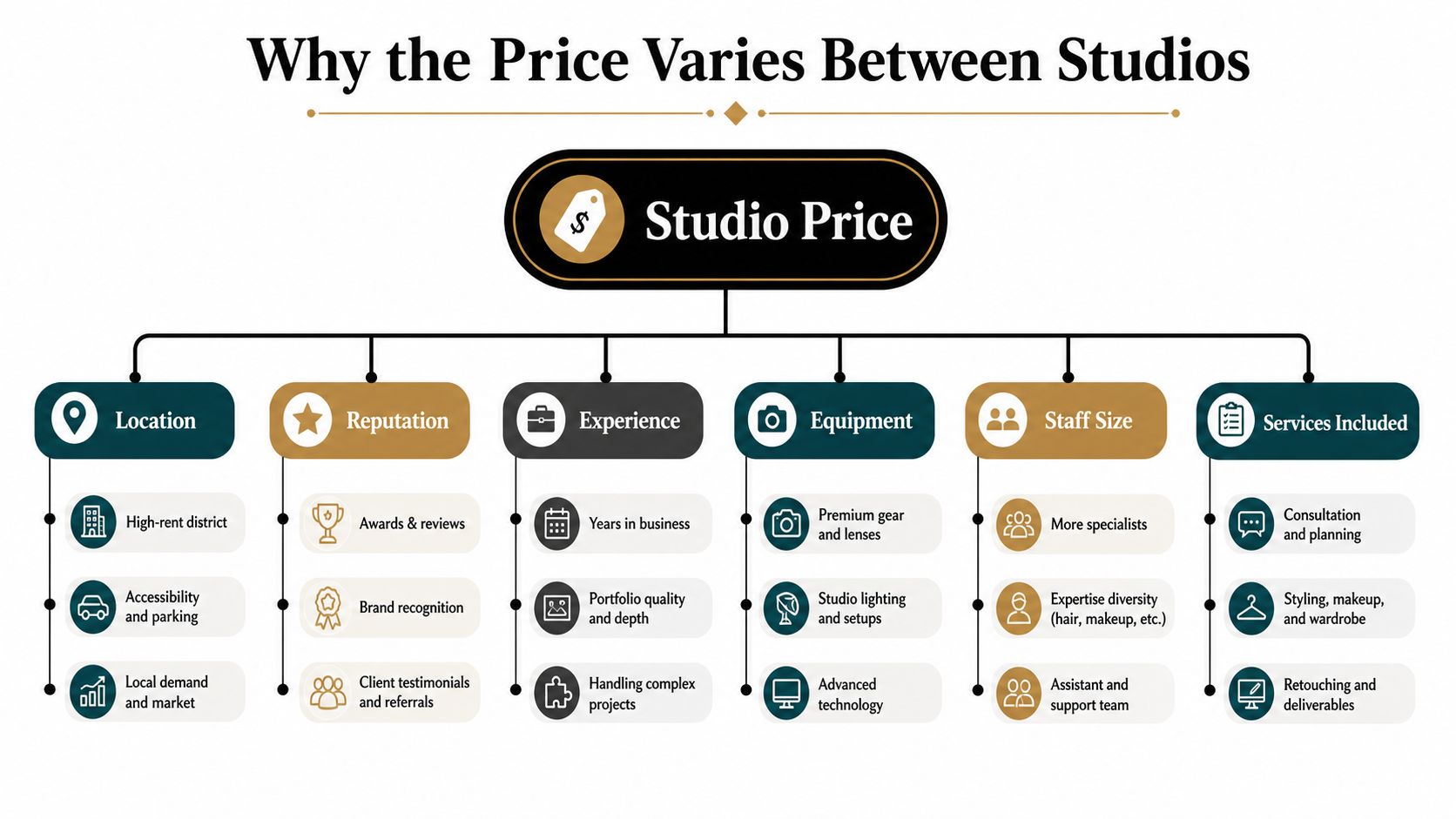
A £60 quote can cover very different setups. One studio is paying for a trained piercer, single-use sterile needles, proper consultation time, and implant-grade starter jewellery. Another is trimming the basics and hoping you do not ask what has been left out.
The price floor is real
A studio that takes hygiene seriously has a real cost floor. It has to pay for the piercer's time, sterile setup, and suitable jewellery, and those costs do not disappear because a shop wants to look cheap on a window sticker. That is why the comparison with the UK wage baseline matters, because it stops people from treating professional piercing like a quick sale with no labour behind it.
Location pushes the price too. Studios in London and the South East usually charge more than regional counters because overheads and demand are different. That does not make them better automatically, but it does explain why two reputable studios can quote different prices without either one being shady.
A good piercer should explain that clearly. If they get defensive when you ask what the price covers, walk away.
Ask the right comparison questions
Compare like for like, not headline number against headline number. Ask whether the quote includes single-use needles, what grade of starter jewellery is supplied, and whether aftercare guidance is part of the appointment. The answer tells you far more than the sticker price ever will.
High-street and beauty-counter setups can look cheaper because they cut the parts that matter most. That usually means lower-grade metals, rushed consultations, or vague hygiene standards. A proper belly button piercing costs whatever it takes to get the job done safely the first time, and a bargain that hides those gaps is not a bargain at all. For anyone choosing jewellery quality, the titanium jewellery guide is worth a look.
Jewellery Choices and the Biggest Cost Upgrade
Jewellery is where the bill starts climbing. The base price may look reasonable, then you choose a better metal and the total moves fast, especially if you want something more decorative on day one.
What most clients are choosing
Implant-grade titanium is the safest default for a fresh navel piercing, and it's the option I'd steer most first-timers towards. Surgical stainless steel is often the standard base choice in cheaper packages, while 14k or 18k solid gold is the premium upgrade for clients who want a more luxurious finish. Mixed-alloy or plated jewellery is a poor choice for healing skin because it can complicate recovery.
| Material | Suitability for Fresh Piercing | Typical Price Impact |
|---|---|---|
| Implant-grade titanium | Best choice for most fresh navel piercings | Higher than basic steel |
| Surgical stainless steel | Common base-package option | Usually included or lower cost |
| 14k or 18k solid gold | Premium upgrade | Highest cost of the three |
That's why the starter piece matters so much. A quote that looks cheap can stop looking cheap once you upgrade from a basic barbell to something that won't fight your skin while it's healing. For anyone comparing metals, the titanium jewellery guide is worth a look.
Where the hidden jewellery charge shows up
The decorative end is often where studios add cost. A basic setup can stay inside the normal price bracket, but a more polished or handset style can push the bill noticeably higher. If you want the nicer finish, that's fine, just expect the price to rise with it.
The smart move is simple, ask what the base package includes before you fall in love with the shiny version. If the studio is transparent, you can decide whether the upgrade is worth it. If not, you're being sold the jewellery, not the piercing.
The Hidden Ongoing Costs Most People Forget
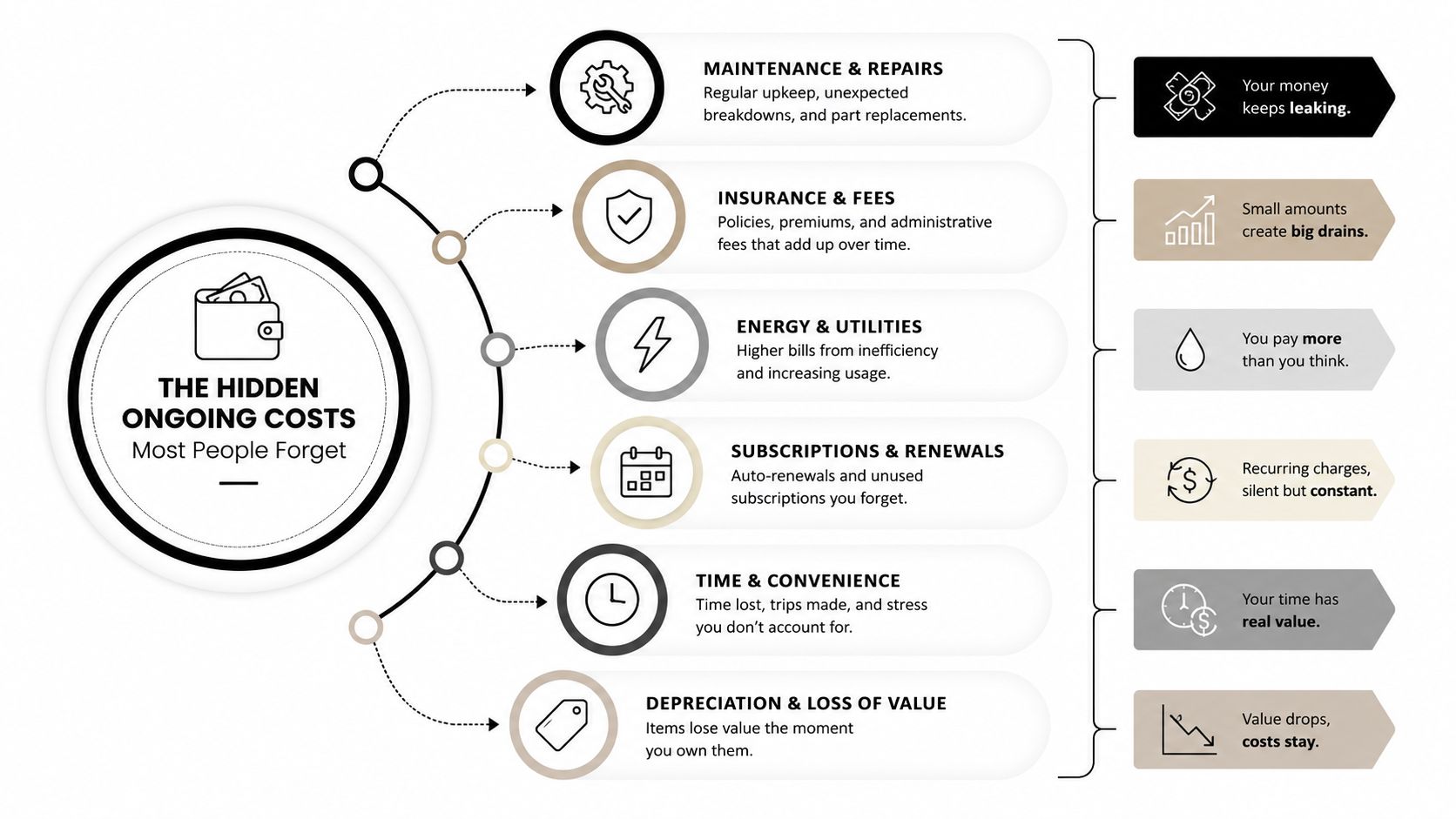
The walk-in fee is only the first bill. A navel piercing heals slowly, and the cost adds up in the weeks and months after you leave the chair.
The healing window is about 6 to 12 months, which means starter jewellery and aftercare aren't optional extras, they're part of the cost of doing it properly piercing price and aftercare guidance. That matters because people often budget for the appointment and forget the maintenance. Then they're annoyed later when they need proper saline care, a check-in, or a shorter bar once the swelling settles.
Budget for the full healing period
A sensible first-year budget covers the piercing, starter jewellery, sterile aftercare supplies, and any follow-up visit if the initial bar needs downsizing. That isn't overcautious, it's just realistic. If you skip those costs, you're not saving money, you're shifting the bill into a messier future.
UK spending patterns make that easier to understand. The Office for National Statistics reported average weekly household expenditure at £567.70 in the latest Family Spending release ONS Family Spending, which puts a piercing purchase into the context of normal discretionary spending. A navel piercing isn't an impulse snack, it's a body mod with a healing timeline.
Bottom line: the quoted appointment price is only the front door. The real cost includes care, patience, and sometimes a second visit.
What the ongoing spend usually covers
- Sterile aftercare: Saline-based cleaning guidance and the products you use at home.
- Downsizing: A shorter bar once the initial swelling is down.
- Check-ups: Optional but useful if the piercing feels irritated.
- Healed jewellery: The piece you wear once the piercing is fully settled.
For a practical aftercare reference, the belly button piercing aftercare guide is the sort of thing worth reading before you book, not after you've got a problem.
Why the Cheapest Option Is Rarely the Safest
Cheap piercing offers usually save money by cutting the parts you can't see from the front of the counter. That can mean weaker jewellery, less time spent on consultation, and poor hygiene practice dressed up as a deal.
The risk isn't theoretical. The NHS says body piercing complications can include infection, bleeding, swelling, scarring, and allergic reaction, and it stresses that aftercare matters for reducing those risks NHS body-piercing guidance. If a studio underprices the job and skips the sensible safeguards, any savings can disappear the moment you need medical help or a replacement piece.
What bargain pricing often leaves out
Some low-cost offers lean on piercers who rush the consultation and don't explain healing properly. Others cut corners on metals and push jewellery that's fine for display, but poor for a fresh piercing. The worst setups blur the line between a professional piercing and a fast beauty treatment.
The safer approach is boring, and that's a good thing. You want a studio that uses single-use needles, gives you proper aftercare instructions, and recommends jewellery that suits healing skin. The extra money buys fewer problems later.
If a price looks too good, ask what the studio is not telling you. That question saves more money than haggling ever will.
A belly button piercing should be judged on the whole package, not the lowest number on the window. If the price is a touch higher but the hygiene, metal quality, and aftercare are solid, that's the better deal every single time.
Booking at Timebomb Tattoo and Piercing in Croydon and Bournemouth
If you want the local version of this conversation, start with the studio, not the shortcut. The Bournemouth location is the best first point of contact, and the Croydon studio is there for clients in and around South London who want the same calm, first-timer-friendly experience.
Both locations work on walk-ins, appointments, and consultations, which makes the process simple whether you're organised or deciding on the day. The appointment starts with placement, then a jewellery choice, then the piercing itself with a sterile needle and the right starter metal. That order matters, because it keeps the decision tied to your anatomy, not just the look you had in mind from a photo.
What the booking conversation should cover
Ask what's included in the price before you travel. Make sure the quoted figure covers the piercing, starter jewellery, and aftercare guidance, because those are the basics you should expect from a reputable studio. If you're unsure whether titanium is the right choice, ask on the day rather than guessing from an online cart.
The contact details are straightforward. Call 01202 900050 (Bournemouth) / 020 8686 7730 (Croydon) or message on WhatsApp at 07752 913846 (Bournemouth) / 07902 490584 (Croydon) if you want to book, ask about jewellery, or check which location suits you best. Bournemouth remains the main contact point, but the Croydon team is there for the South London crowd who want a trusted local option.
The studio experience should feel clear, not pressured. Verified Google reviews highlight the kind of friendly service and clean, supportive first-time atmosphere people want when they're nervous about a new piercing. That's the standard to look for anywhere you book.
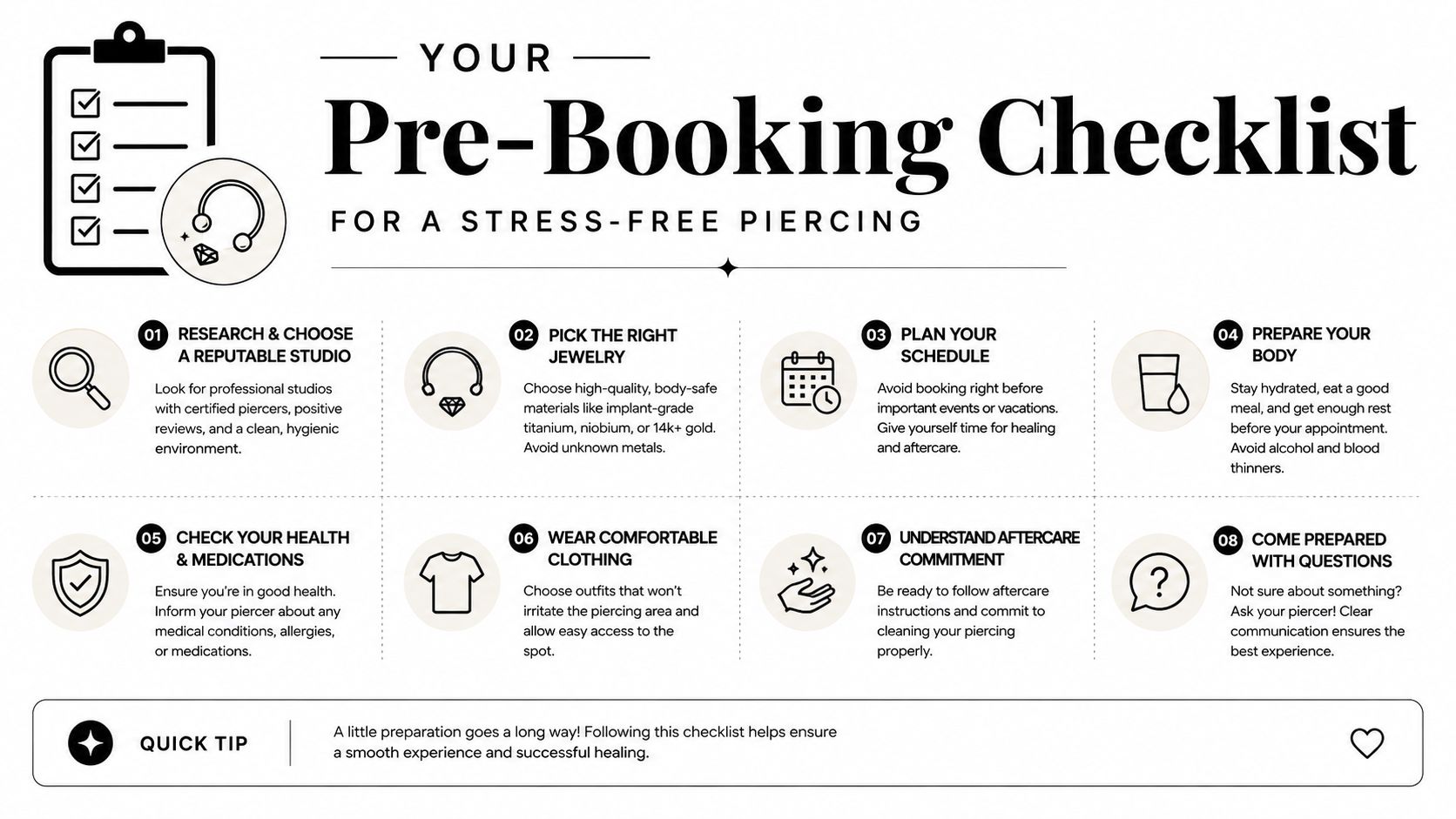
Your Pre-Booking Checklist for a Stress-Free Piercing
Before you go in, lock down the basics. Confirm what's included in the price, ask whether the studio uses single-use needles, and choose implant-grade titanium unless the piercer tells you there's a better fit for your skin and anatomy.
Budget for aftercare products and the possibility of a downsizing appointment, because a fresh navel piercing isn't a one-and-done purchase. Keep 01202 900050 (Bournemouth) / 020 8686 7730 (Croydon) and 07752 913846 (Bournemouth) / 07902 490584 (Croydon) handy so you can ask questions without overthinking it at the door.
A good first piercing feels calm, clear, and properly priced. If you want a studio that treats safety and jewellery choice as part of the service, visit Piercing Near Me and book with confidence.