
Thinking about a new piercing, but finding that most lists of piercings stop at the name and a photo? That’s usually the gap. People don’t just want inspiration. They want to know what will suit their anatomy, what’s manageable to heal, what jewellery works best on day one, and what tends to go wrong when the wrong piece is fitted too early.
That’s where a proper pre-consultation guide helps. In England, a landmark survey found that 10% of adults had a body piercing at sites other than the earlobe, with much higher prevalence among women and especially young women aged 16 to 24. Piercings are well established in UK culture, but safe outcomes still come down to placement, sterile technique, jewellery quality, and realistic aftercare.
At Piercing Near Me, we focus on practical choices, not just trends. Our specialists at Timebomb Tattoo & Piercing in Croydon and Bournemouth use single-use sterile needles and implant-grade jewellery, and that matters far more than any social media reference image. A beautiful piercing that’s badly placed, constantly knocked, or fitted with poor jewellery won’t stay beautiful for long.
This guide gets straight into the most requested options. You’ll find what each piercing looks like in real life, who it tends to suit, where clients underestimate the healing process, and which starting jewellery usually gives the calmest heal. If you’re deciding between a safe first piercing, a curated ear, or a stronger statement piece, this should make the choice clearer.
1. Earlobe Piercing
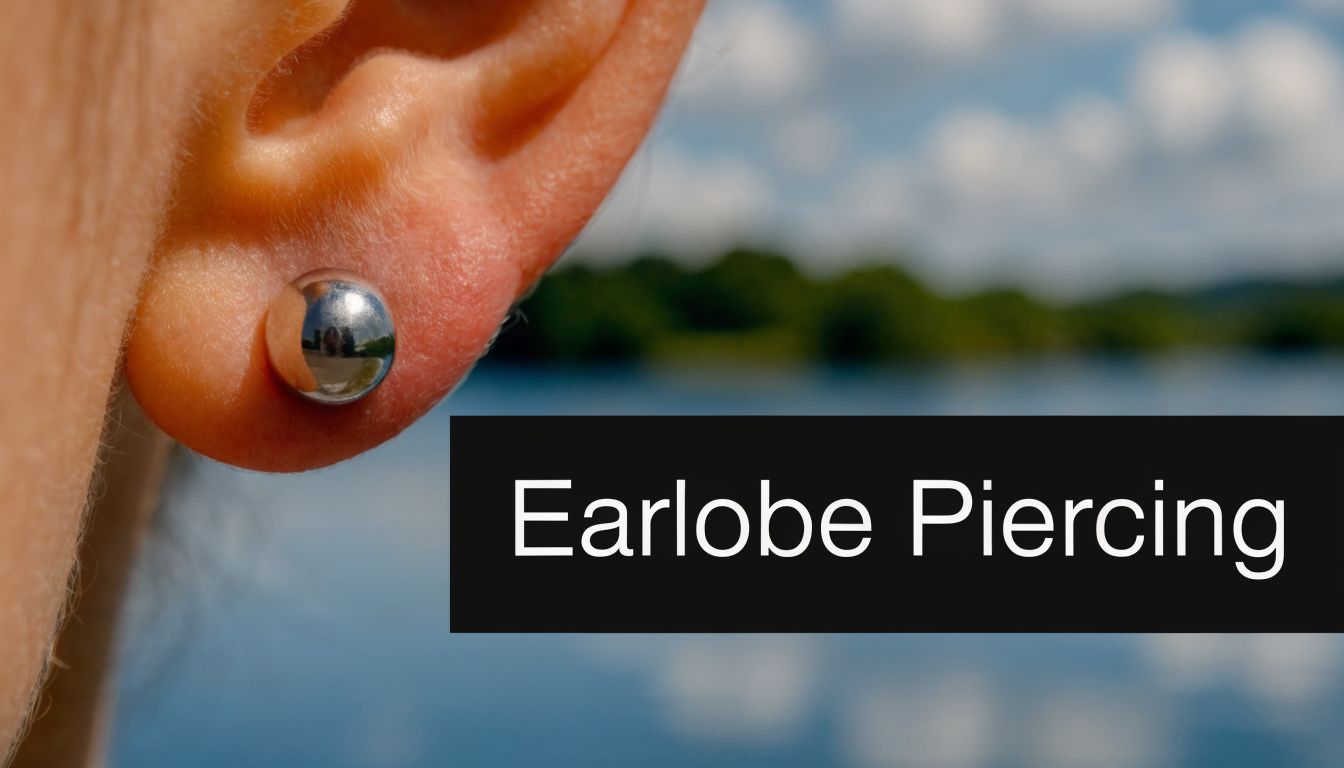
Earlobe piercing is still often the easiest place to start. The tissue is soft, the placement is versatile, and the jewellery options are wide without making healing unnecessarily awkward. If someone comes in saying they want something low-stress and wearable with everything, the lobe is usually the first conversation.
It also works at almost every style level. A single polished titanium ball looks clean and minimal. Two or three lobe placements can build a curated ear without the commitment of cartilage. If you already wear helix or conch jewellery, a neatly balanced lobe stack often finishes the whole ear.
What works best first
Studs are the safer starting point for most new lobe piercings. They move less than hoops, catch less in hair and clothing, and make cleaning simpler when the piercing is still fresh. Implant-grade titanium is my preferred starting material because it keeps things straightforward for sensitive skin.
For anyone planning a full ear project later, it helps to think ahead about spacing. A good piercer will leave room for future jewellery sizes and combinations, not just place one dot and hope for the best. If you want inspiration for that, this ear piercings guide is a useful place to start.
Practical rule: Start with a stud, keep your hands off it, and don’t swap jewellery just because the outside looks settled.
A few common real-world mistakes show up again and again:
- Sleeping pressure: Side sleepers often irritate one fresh lobe without realising it.
- Early jewellery changes: “It looked healed” is one of the most common reasons people set a lobe back.
- Unnecessary twisting: Rotation doesn’t help healing. It usually just re-irritates the channel.
Lobes are classic for a reason. They’re simple, adaptable, and forgiving compared with many other placements. That said, simple doesn’t mean casual. Good placement and decent starter jewellery still make the difference between a smooth heal and weeks of avoidable irritation.
2. Helix Piercing
The helix sits on the outer rim of the upper ear and gives you that clean cartilage look people often want when they say they’re after something subtle but sharper than a lobe. A single helix stud can be elegant. A double or triple helix shifts the whole ear into a more styled, intentional look.
This is one of the most popular cartilage options for a reason. In the UK body piercing market, ear piercings held approximately 52% market share in 2023, and placements like helix are a big part of that demand. They suit first-time cartilage clients well, but only if they understand that cartilage needs patience.
Jewellery and healing trade-offs
A fresh helix usually does best with stable jewellery. Flat-back studs are a strong choice because they sit neatly, reduce snags, and tend to be easier to live with than an early hoop. Hoops can look great later, but too much movement in a fresh helix often creates a long, fussy healing process.
If you wear over-ear headphones, helmets, or snug winter hats, that matters. The helix is exposed, and small repeated knocks can keep it irritated for far longer than expected. This piercing often feels fine one day and grumpy the next if it’s being compressed in sleep or bumped during routine habits.
Here’s where clients do best:
- Choose low-profile ends: Smaller tops are less likely to catch in hair or towels.
- Protect it at night: A travel pillow can help if you’re a committed side sleeper.
- Keep styling simple: Avoid changing to decorative rings before the piercing has properly settled.
Cartilage punishes impatience more than poor pain tolerance.
The helix is worth it when you want visible shape without committing to something central like a facial piercing. It photographs well, layers well with lobe jewellery, and gives you room to build later. Just treat it like cartilage, not like a lobe with better branding.
3. Conch Piercing
The conch sits in the broad inner bowl of the ear, and it has a very different presence from a helix. It’s bold without shouting. People notice it when they’re close to you, and it anchors a curated ear beautifully because it fills the centre rather than the edge.
There are two ways clients usually approach the conch. One is a single statement stud, often with a bright gem or polished disc. The other is using it as part of a fuller ear composition with helix, tragus, and lobe placements around it. Both can work well, but the conch needs room and calm while healing.
What people underestimate
Earbuds are often the problem. The placement can sit directly where in-ear headphones put pressure, and even occasional use can keep the area sore. If you rely on earbuds all day, a conch may not be the smartest immediate choice.
Cleaning also needs a bit more care because of the shape of the ear. Saline spray helps, but you still need to make sure moisture, hair product, and general buildup aren’t sitting in the inner folds. This is one of those piercings where “I clean it” and “I clean it properly” can be two different things.
A good starting approach usually includes:
- Implant-grade titanium jewellery: It keeps the material side simple while the tissue settles.
- A stable initial fit: You want enough room for swelling, but not excess length that catches constantly.
- No earbuds during healing: Over-ear alternatives are usually kinder.
The conch suits clients who want something distinct but still polished enough for everyday wear. It’s less obvious than an industrial and usually easier to style across different looks. If you want one piercing that can act as the centrepiece of your ear, this is often the winner.
4. Septum Piercing
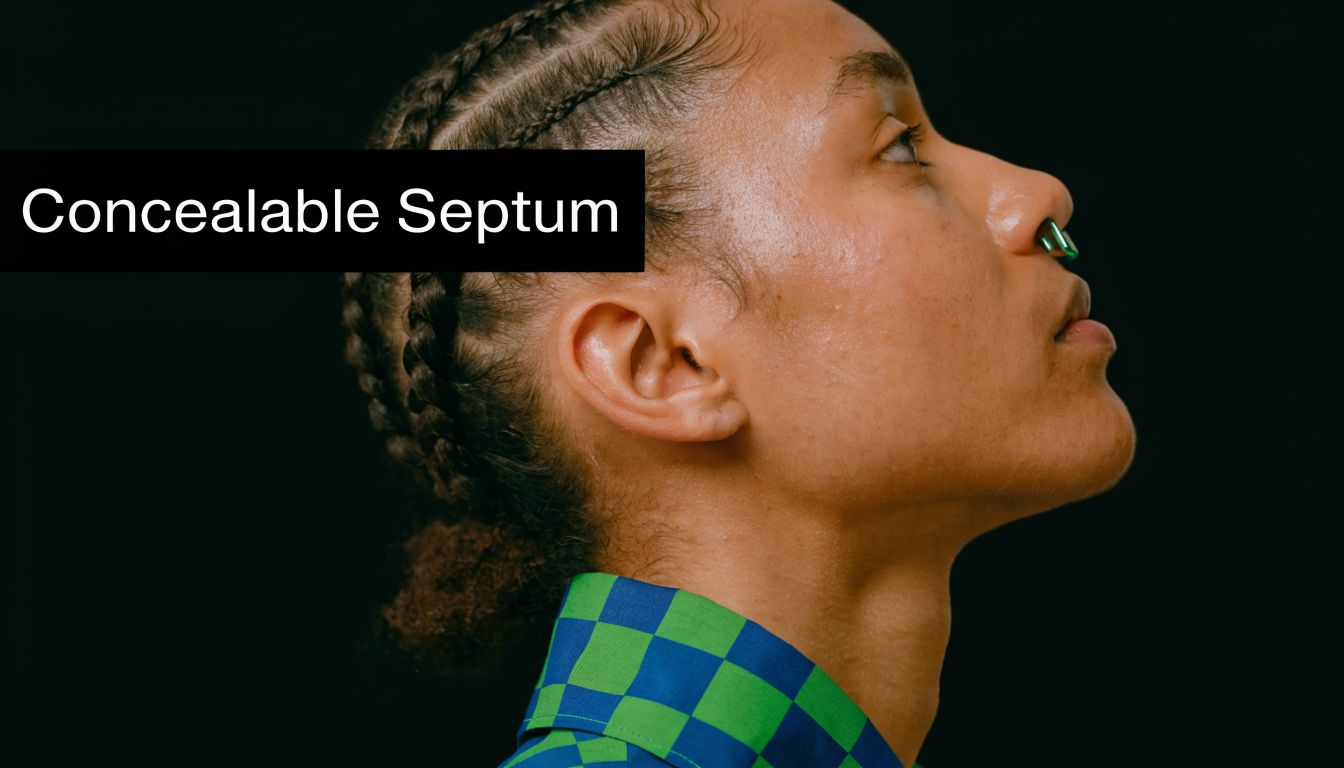
A well-done septum piercing is one of the most versatile facial piercings you can get. It can be bold with a clicker or circular barbell worn down, and discreet when flipped up for work, family events, or because you want the option. That flexibility is a big reason it stays high on so many lists of piercings.
The key detail is placement. A proper septum piercing goes through the soft tissue spot suited to your anatomy, not through hard cartilage. When it’s placed correctly and fitted with appropriate jewellery, healing is often much smoother than people expect from a central facial piercing.
Good candidate or not
Septum piercings suit people who want a strong look without committing to a permanently visible piercing every day. If your job, family setting, or comfort level changes week to week, the ability to conceal it matters. That said, only flip jewellery if your piercer has discussed the best way to handle that during healing.
Nose rubbing, forceful blowing, and constant touching are what usually cause trouble. Cold season can make this placement more annoying, not impossible. If you’re currently congested all the time or dealing with nasal irritation, waiting can be the better call.
A septum is often easier to live with than it looks, but only when the placement is right from the start.
Starter jewellery should be smooth, well-polished, and fitted to rest calmly. Decorative edges and fussy shapes are better saved for later. If you want a facial piercing with personality and some built-in flexibility, the septum is hard to beat.
5. Nostril Piercing
The nostril is one of those piercings that can be almost invisible or become a real focal point, depending on the jewellery. A tiny titanium stud gives a clean, understated finish. A hoop changes the whole face. That range is why nostril piercing stays consistently popular with both first-time and returning clients.
It also layers well. A single nostril can stand alone for years without looking unfinished. If you later add a second nostril or pair it with a septum, it still feels coherent rather than overworked. That adaptability makes it one of the most wearable facial piercings around.
What helps it heal calmly
Fresh nostrils are easy to annoy. Makeup, skincare, towels, nose blowing, and changing clothes can all knock the jewellery more often than people realise. The calmer the jewellery, the better. For most new nostril piercings, I’d rather see a secure stud than an early hoop.
A lot of clients also need realistic expectations around the outside of the piercing. The nose can show irritation bumps if it’s moved, caught, or swapped too early. That doesn’t always mean infection. It often means the piercing is being bothered too much.
If you’re comparing styles and practical considerations, this guide on how much nose piercing costs can help frame the decision.
A sensible first stage looks like this:
- Pick a stable stud: L-shaped or screw-style options are often better for fresh placements than decorative rings.
- Keep skincare away: Cleansers, exfoliants, and heavy creams can irritate the area.
- Be careful with tissues: Dab, don’t drag.
The nostril is ideal if you want a facial piercing that still feels easy to wear day to day. It can be elegant, edgy, or somewhere in the middle. The biggest mistake is treating it as low-maintenance just because it’s small.
6. Tragus Piercing
The tragus is the small flap of cartilage near the ear canal, and it’s one of the best examples of a piercing that looks subtle in the mirror but adds a lot to the overall ear. It doesn’t dominate. It sharpens the design.
For people building a curated ear, tragus often works best as a supporting placement. It pairs especially well with lobe, helix, and conch combinations. A tiny polished stud in the tragus can make the whole ear feel more complete without making the look too busy.
Daily-life considerations
This one asks a practical question before anything else. Do you wear earbuds every day? If the answer is yes, tragus might not be your best immediate project. Even careful earbud use can rub the area or introduce irritation while it’s fresh.
Cleaning needs a light hand because of where it sits. You want the front and back kept clean, but you don’t want to jab around the ear opening with cotton swabs and create more trouble than you solve. Good saline, clean hands, and minimal fuss usually work better than over-cleaning.
Clients who do well with tragus usually do three things:
- Choose a compact stud: Smooth, low-profile tops are easier to live with.
- Pause earbud use: Switch to one side or over-ear options where possible.
- Watch hair and towels: Small catches can make cartilage stay tender.
The tragus is great for someone who wants a cartilage piercing that doesn’t scream for attention. It’s refined, photogenic, and easy to combine with other placements. The trade-off is simple. Convenience around audio devices usually takes a hit for a while.
7. Navel Belly Button Piercing
Navel piercing looks effortless when it’s healed well. Fresh, it’s the opposite. This is a placement where clothing, posture, waistbands, workouts, and anatomy all matter from day one. It can be a fantastic body piercing, but it’s not the one I’d call low-effort.
A good navel needs suitable anatomy and thoughtful jewellery choice. If the fold compresses heavily, the area is under constant friction, or the jewellery shape isn’t right for your body, the piercing can stay irritated or start migrating. A proper consultation matters here more than people expect.
Who usually heals this well
Clients who heal navels best tend to wear looser clothing, understand they can’t treat it casually, and are willing to leave it alone for the long game. High-waisted jeans, tight gym wear, and regular pressure on the area are often what make this piercing difficult.
Curved barbells in implant-grade titanium are usually the cleanest starting choice. They sit more naturally for most navels than jewellery chosen purely for decoration. Dangly pieces and elaborate designs can wait until the piercing is fully stable.
Studio note: If your lifestyle means waistbands rub that area all day, waiting is often smarter than forcing a piercing to fight your routine.
For aftercare basics, this guide on how to clean a new piercing covers the kind of routine that helps clients avoid common early mistakes.
Navel piercing suits people who want a body placement with a bit of glamour and don’t mind committing to careful healing. It’s attractive, but it isn’t forgiving. If you want something you can forget about during the first weeks, choose something else.
8. Dermal Microdermal Piercing
Dermals are different from most piercings people know. Instead of a traditional entry and exit, a dermal anchor sits beneath the skin with a visible top. That creates the floating jewellery effect people love on collarbones, cheeks, temples, or chest placements.
They can look brilliant, but they come with trade-offs that need to be said clearly. Dermals are easier to catch than many clients expect, and even when aftercare is solid, the body may still decide it doesn’t want to keep them long term. This isn’t about doing anything wrong. Surface work is less predictable.
Best approached with realistic expectations
Dermals suit people who are happy to prioritise appearance over convenience. If you wear straps, carry bags across the area, sleep directly on the placement, or need zero maintenance, they may not be the best fit. The more movement and pressure an area gets, the harder a dermal has to work to stay calm.
Professional jewellery changes matter too. The tops may look simple, but the anchor underneath isn’t something to treat casually. DIY changes, snagging, and repeated twisting are what turn a neat dermal into an irritated one.
A sensible way to think about dermals:
- Placement matters more than trend: Pick a low-friction area if possible.
- Expect ongoing care: They need attention beyond the first healing phase.
- Accept the possibility of loss: Some bodies reject them despite careful handling.
Dermals are for clients who want something unusual and understand that “high impact” often comes with higher maintenance. They can be striking, but they aren’t the easiest route to a long-term result.
9. Industrial Piercing
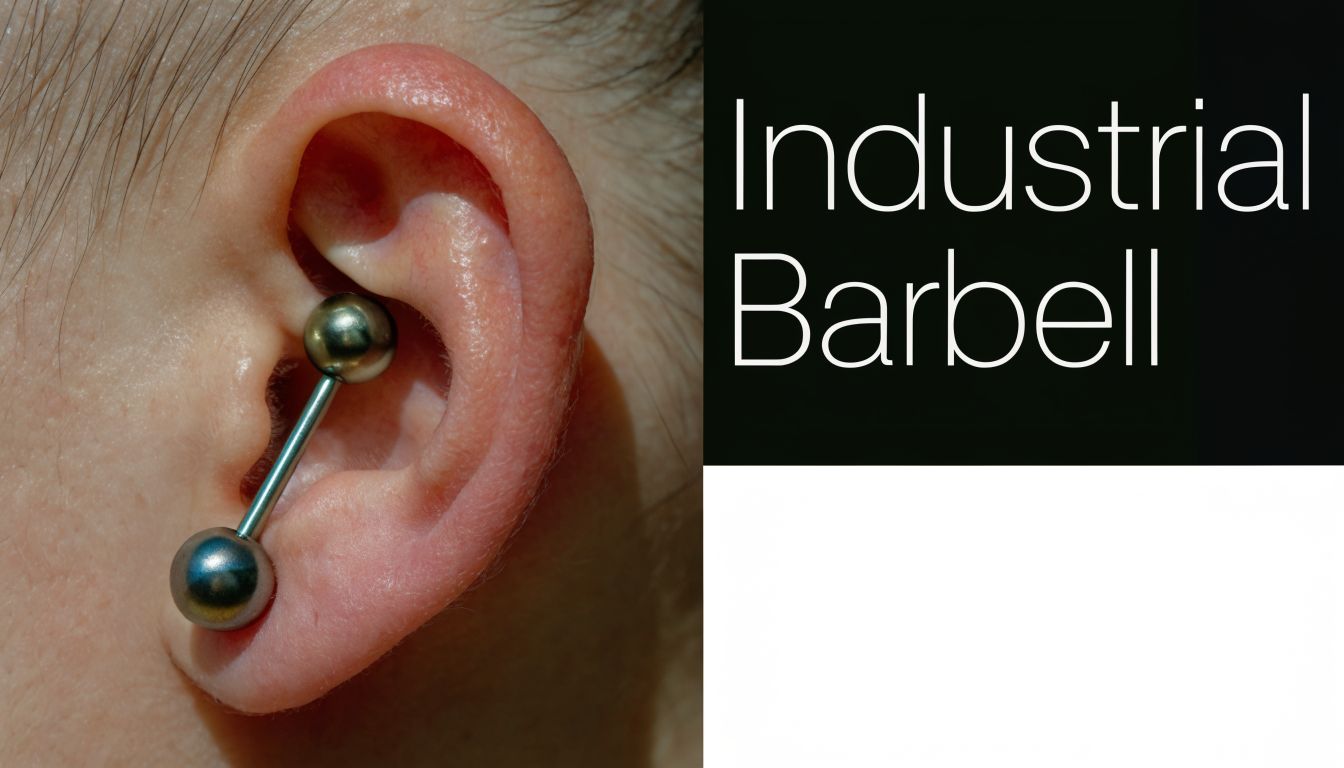
Industrial piercings look fantastic when the anatomy supports them and the alignment is precise. They also punish shortcuts. This is not just “two helix piercings with one bar”. The angle, depth, tissue shape, and pressure points all need to work together.
That’s why some ears are suitable and some aren’t. A responsible piercer won’t force an industrial because the photo reference looks good. If the bar would press badly, sit twisted, or stress one side of the ear, it’s better to choose a different project than to commit to a difficult heal from the first day.
What makes them hard
Two fresh piercing sites are being linked by one piece of jewellery. If one side gets irritated, the other often feels it too because the bar transfers movement. Sleeping on it, catching it in hair, or pressing it with headphones can make the whole thing flare up.
Patience matters more here than almost anywhere else on this list. The look is bold and worth it for the right person, but the healing journey isn’t subtle. If you’re someone who fiddles with jewellery, changes your mind quickly, or needs to wear ear equipment daily, an industrial may not be your friend.
A better industrial experience usually starts with:
- A true anatomy check: Not every ear fold can support the line safely.
- High-quality titanium: Keep the material side simple from the beginning.
- Lifestyle honesty: Side sleeping and headphones can be major obstacles.
The industrial suits clients who want a statement cartilage piercing and are prepared to earn it. It’s one of the strongest looks in ear piercing. It’s also one of the least forgiving.
10. Rook Piercing
The rook sits in the inner ridge above the ear canal and gives a tucked-away, sculptural look that many people love once they see it in person. It doesn’t have the instant visibility of a helix, but that’s part of the appeal. It feels more selective, more like a detail someone notices on a second look.
Because it sits in a deeper fold, rook piercing depends heavily on anatomy. Some ears have a defined ridge that suits it well. Others don’t. This isn’t a placement to squeeze in just because it appears on lots of lists of piercings online.
Why it feels different to heal
A rook can swell, feel tight, and stay tender in a way that surprises first-time cartilage clients. The tissue is thicker and more protected than an outer ear placement, which sounds useful but can make cleaning feel fiddlier. You need access without constantly poking the area.
Curved barbells usually make the most sense to start. They follow the anatomy better than forcing an unsuitable jewellery shape into the fold. If someone comes in wanting an ornate clicker immediately, I’ll usually suggest saving that for later once the piercing is fully settled.
“If you can’t comfortably clean around it without moving it, your routine needs simplifying.”
Rooks tend to suit clients who already know they’re patient with cartilage, or who want a more unusual ear placement without going as dramatic as an industrial. It’s elegant, distinctive, and rewarding once healed. Just don’t mistake hidden for easy.
Top 10 Piercings Comparison
| Piercing | 🔄 Complexity (process & difficulty) | 💡 Resources (skills & materials) | ⚡ Healing Speed (typical) | 📊 Expected Results / Impact | ⭐ Key Advantages |
|---|---|---|---|---|---|
| Earlobe Piercing | Low, soft tissue, very simple; pain 1–2/10 | Basic studio tools, implant‑grade studs; minimal expertise | 6–8 weeks | Versatile, subtle starter piercing; low complication rate | Quick healing; low pain; easy jewellery changes |
| Helix Piercing | Medium, cartilage work; alignment matters; pain 4–5/10 | Experienced piercer, titanium/surgical steel, saline care | 8–12 weeks (sometimes to 6 months) | Visible, stylish; good for layered ear designs | Aesthetic impact; pairs well with other ear piercings |
| Conch Piercing | Medium–High, deeper cartilage, trickier cleaning; pain 5–6/10 | Skilled piercer, larger studs/ornamental jewelry, diligent aftercare | 8–12 weeks (can extend to 6 months) | Bold focal point; statement jewelry without front-facing prominence | Distinctive placement; showcases larger/ornate pieces |
| Septum Piercing | Medium, precise placement in thin cartilage; pain 3–4/10 | Precise technique, clickers/horseshoes, saline cleaning | 6–8 weeks | High visual impact; concealable when flipped up; reversible | Concealable; versatile jewelry options; relatively fast healing |
| Nostril Piercing | Low, soft tissue, straightforward; pain 2–3/10 | Standard studio, L‑studs/screws, implant‑grade metals | 4–6 weeks | Classic facial accent; highly customisable; low downtime | Fast healing; minimal pain; versatile styling |
| Tragus Piercing | Medium, small cartilage area, precise placement; pain 3–4/10 | Experienced piercer, small studs/hoops, careful cleaning | 8–12 weeks | Subtle, discreet accent that complements ear sets | Low‑profile, professional appearance; pairs well with other piercings |
| Navel (Belly Button) Piercing | Medium, soft tissue but long recovery; pain 3–4/10 | Curved barbells, long aftercare, loose clothing advised | 6–9 months | Fashionable, seasonal visibility; higher rejection risk | Highly customisable and concealable; strong fashion statement |
| Dermal (Microdermal) Piercing | High, single‑point anchor under skin; rejection risk; pain 2–3/10 | Highly skilled piercer, implant‑grade anchors, professional removal required | 6–8 weeks | “Embedded” jewelry look; unique placements; higher maintenance | Unique placement flexibility; striking, floating‑jewelry effect |
| Industrial Piercing | High, two cartilage points linked by one bar; alignment critical; pain 5–6/10 | Very experienced piercer, straight/angled barbell, intensive aftercare | 8–12 weeks (can extend to 6 months) | Bold interconnected ear statement; increased complication risk | Distinctive connected design; strong visual impact |
| Rook Piercing | High, deep inner cartilage, difficult cleaning; pain 6–7/10 | Expert piercer, curved barbells/clickers, prolonged care | 6–9 months | Elegant, discreet when viewed head‑on; high aftercare commitment | Sophisticated, understated aesthetic for curated ears |
Ready for Your New Piercing?
Feeling inspired is the fun part. Choosing well is the important part. The best piercing for you isn’t always the most dramatic one on the mood board. It’s the one that suits your anatomy, your routine, your pain tolerance, and your willingness to heal it properly.
That’s why a proper studio conversation matters. A good piercer won’t just tell you what looks nice. They’ll tell you whether the placement works for your ear, nose, or body, whether your chosen jewellery is sensible for a fresh piercing, and what parts of your day-to-day life could make healing harder. That’s the kind of advice that saves people from avoidable problems.
There’s also a wider safety point that clients in Croydon, Bournemouth, and across the UK should know. Public advice often focuses on piercing types and jewellery styles, but there’s much less accessible guidance on aftercare complexity, local support if something doesn’t feel right, and that the UK doesn’t have one simple nationwide piercer certification system. The industry relies heavily on studio standards, professional practice, and informed client questions. Guidance on jewellery for initial piercings from the Association of Professional Piercers is useful for understanding what quality looks like when you’re choosing a studio.
At our Timebomb Tattoo & Piercing locations, we keep the process clear. You can ask questions before committing. We’ll talk you through placement options, explain what jewellery is best to start with, and be honest if a piercing you like isn’t the right match for your anatomy or lifestyle. That honesty matters more than a quick sale.
If you’re a first-time client, don’t worry about knowing all the terminology. Bring screenshots, bring rough ideas, or bring a shortlist from your favourite lists of piercings. A proper consultation turns that inspiration into something wearable and realistic. If you’re already experienced, we can help refine placement, discuss jewellery upgrades for healed piercings, and build a more balanced ear or facial setup.
What works best in practice is simple. Use high-quality implant-grade jewellery. Let your piercer place it properly. Keep aftercare straightforward. Don’t over-clean, don’t twist, and don’t rush jewellery changes because the outside looks calm. Most avoidable setbacks come from impatience, pressure, friction, or poor starter jewellery.
If you’re near Croydon or Bournemouth and want a piercing done carefully, cleanly, and with proper support, book with a studio that takes those details seriously. Safe technique and good aftercare advice aren’t extras. They are the foundation of a piercing you’ll still enjoy wearing months from now.
Contact us today:
- Phone: 01202 900050 (Bournemouth) / 020 8686 7730 (Croydon)
- WhatsApp: 07752 913846 (Bournemouth) / 07902 490584 (Croydon)
Find your nearest studio through Piercing Near Me, and let’s turn your idea into a piercing that suits you properly.
Ready to choose from the best lists of piercings and book with confidence? Piercing Near Me helps you find safe, professional piercing services connected to Timebomb Tattoo & Piercing in Croydon and Bournemouth, with expert guidance on placement, jewellery, healing, and aftercare before you commit.