
You’ve probably seen the look already. A slim ring hugging the upper ear, a neat little piece sitting in the inner cartilage, maybe a full stack that makes the whole ear look styled without feeling overdone. Then you search for “ear cuff piercings” and the confusion starts. Is it a real piercing, a fake cuff, or both?
At Timebomb, this is one of the most common points of confusion we help people with. Some clients walk in wanting the cuff look without the risk of a clip-on piece falling off. Others have worn temporary cuffs for months and want something that feels more secure, more comfortable, and more like part of their own style. If that sounds like you, you’re in the right place.
The Rise of the Curated Ear
The “curated ear” has changed the way people think about piercings. It’s no longer just one lobe piercing and done. People want balance, shape, and pieces that work together. An ear cuff often starts that journey because it gives the look of a decorated cartilage ear without needing a piercing on day one.
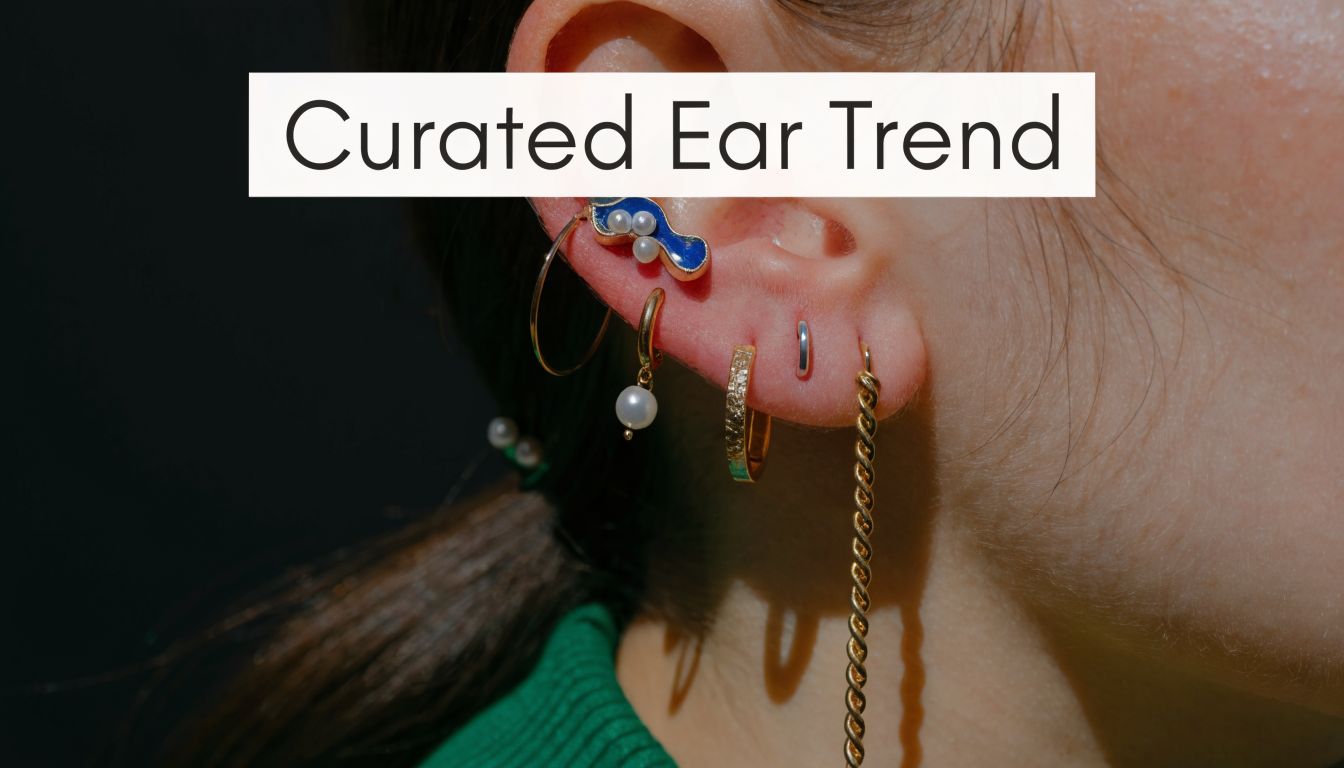
When people say ear cuff piercings, they’re usually talking about one of two things. Either they mean a non-pierced cuff that grips the ear, or they mean a real cartilage piercing that creates the same wrapped, cuff-like effect. In studio conversation, we usually help clients separate the look from the method.
That distinction matters because the trend is growing fast. The ear cuff market has grown quickly, and the cuff-style aesthetic is shaping what clients ask for in piercing studios.).
What people usually mean by an ear cuff piercing
Most of the time, they mean a piercing that gives a cuff effect, such as:
- Helix piercings that sit along the outer rim
- Conch piercings that can later wear a ring for a wrapped look
- Upper cartilage placements that visually mimic a snug cuff
A temporary cuff is like trying on a jacket in the changing room. A real cartilage piercing is more like having that piece fitted uniquely to you.
If you’re browsing inspiration and trying to work out which placements create that stacked, cuff-like style, a visual guide to full ear piercings and curated ear layouts can help you see how the pieces work together.
A good ear styling plan starts with anatomy, not trends. What suits your ear shape always matters more than copying someone else’s stack exactly.
Temporary Style vs Permanent Statement
Some people should start with a temporary cuff. Some are ready for a real piercing straight away. Neither choice is wrong. The important thing is knowing what you’re getting into.
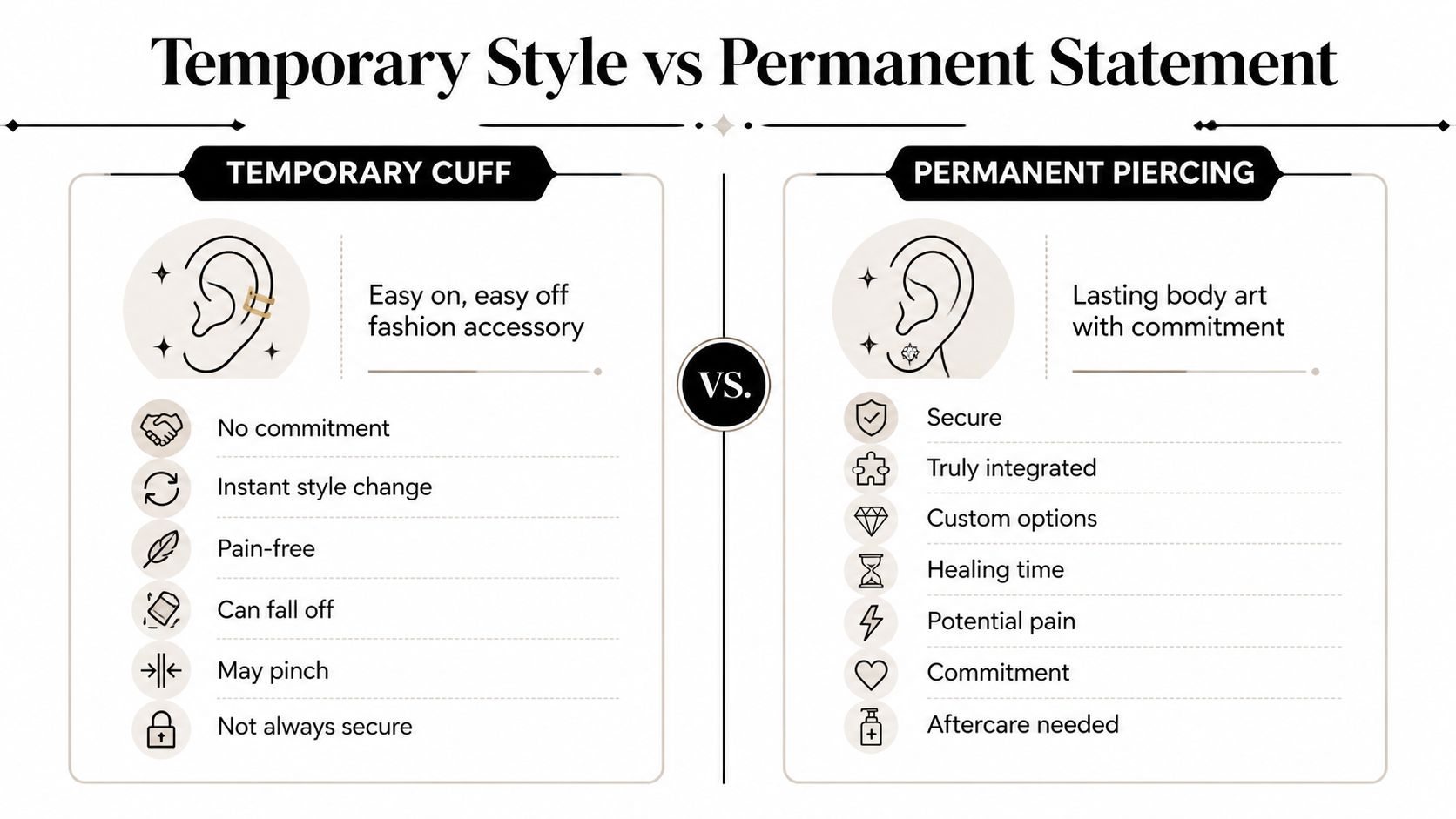
Search behaviour shows how often people blur the two together. Plenty of people compare fake cuffs with permanent options before making a choice.).
Side-by-side comparison
| Option | Best for | Main upside | Main drawback |
|---|---|---|---|
| Temporary ear cuff | Trying the look first | No piercing needed | Can shift, pinch, or come off |
| Permanent cartilage piercing | Long-term wearers | Secure and integrated | Needs healing and aftercare |
Temporary cuffs
A temporary cuff is a bit like a clip-on earring for cartilage. It’s useful if you’re still deciding whether you like the look on your own ear, or if you want flexibility for certain outfits rather than everyday wear.
They suit people who want:
- No commitment because they’re still experimenting
- Quick styling changes without healing time
- No piercing appointment right now
The downside is practical. Fit can be fussy. One cuff feels fine for an hour, then starts pressing. Another slips when you push hair behind your ear. A lot of people assume discomfort means they “just have sensitive ears”, when really the fit or metal may be the problem.
Permanent piercings
A real cartilage piercing gives you the cuff look in a more stable way. The jewellery sits where it was placed for your ear anatomy, so it tends to feel more intentional and secure once healed.
That option suits people who want:
- Everyday wear without clipping jewellery on and off
- A more polished stack that stays put
- Long-term styling freedom with different ends, studs, and rings later on
What puts people off is usually the word “permanent”. That sounds bigger than it needs to. Think of it less like a dramatic body modification and more like choosing a well-fitted accessory that becomes part of your routine.
If you keep re-buying cuffs that don’t sit right, you may already be at the point where a real piercing makes more sense for your lifestyle.
A simple way to decide
Ask yourself these four questions:
Do you wear the look often?
If it’s most days, a piercing may suit you better than a removable cuff.Do you mind a healing period?
Cartilage needs patience. If you’re not ready to clean it and protect it, wait.Do temporary cuffs annoy you?
If they pinch, slip, or disappear into the sofa, that’s useful information.Do you want freedom later on?
A healed cartilage piercing opens up more jewellery options than a pressure-fit cuff.
There’s no prize for rushing. Some clients wear a fake cuff for months, decide exactly where they like it, then come in for a piercing in that zone. That’s a smart approach.
Popular Placements for the Cuff Look
Once you know you want a real piercing, the next question is placement. With placement, ear cuff piercings stop being a vague trend phrase and turn into actual anatomy.
UK studio data gives a good clue about what people choose. In one large Canadian studio's 2020 figures, ear piercings accounted for 71% of all procedures, and outer helix and conch placements ranked just behind earlobes.).
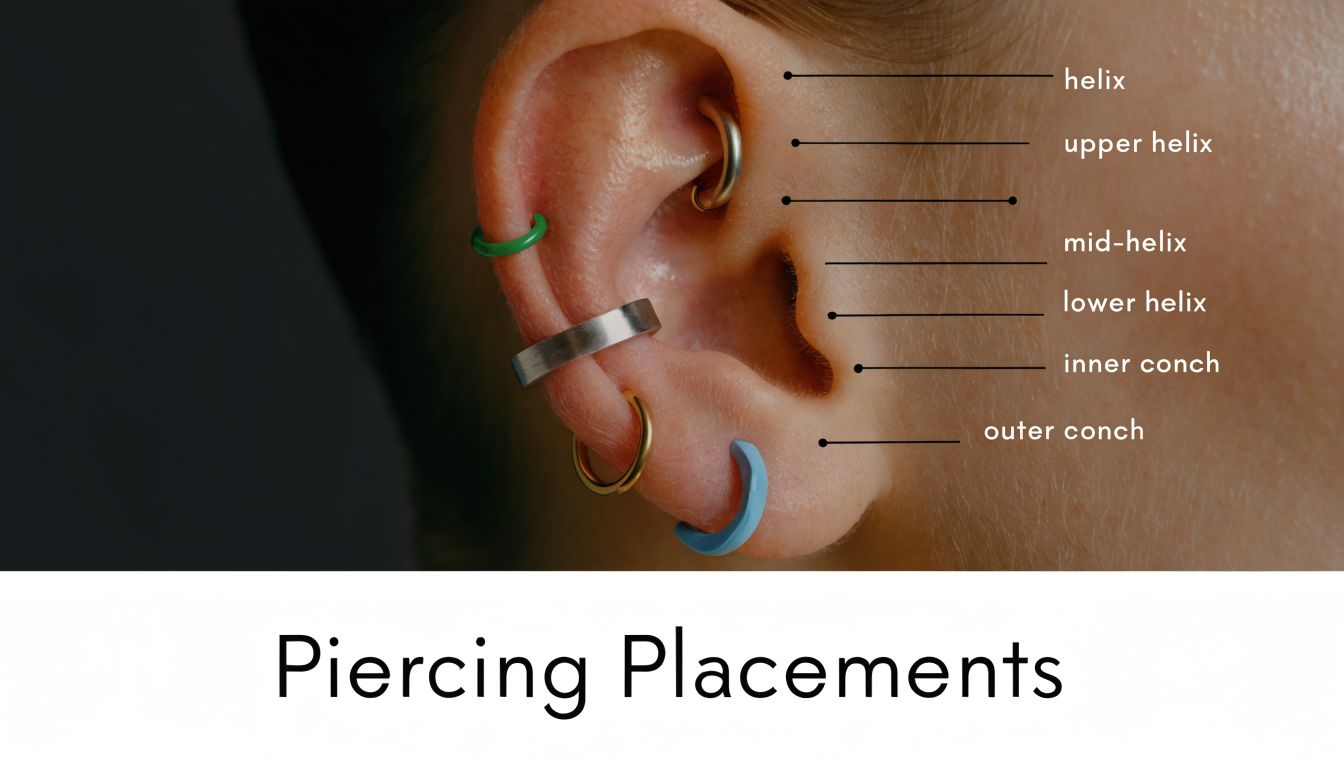
Helix
The helix sits on the outer rim of the upper ear. If you picture a ring hugging the edge of the ear, that’s usually the placement people have in mind.
It works well for:
- A classic cuff effect that looks neat and obvious
- Single or stacked placements if your anatomy allows
- Stud-first, ring-later styling
A helix often suits people who want that clean side profile. It’s visible from the front and side, which is why it photographs so well.
Conch
The conch sits in the inner bowl of the ear. With a stud, it looks centred and crisp. With the right healed anatomy and jewellery change later on, it can create that striking ring-through-the-middle look that many people mistake for a dramatic cuff.
This placement is great if you want:
- A statement look without cluttering the outer rim
- A more architectural feel in your ear stack
- Something that balances lobe jewellery nicely
The conch often surprises first-timers because it looks bold but can feel visually very tidy.
A helix frames the ear. A conch anchors it. That’s often the easiest way to understand the difference.
Upper cartilage and anti-helix areas
Some clients use “ear cuff piercing” to describe upper cartilage placements that sit in less obvious spots but still create a wrapped or layered effect. These placements depend heavily on your ear shape, ridge definition, and the space available.
A professional piercer will look at:
- The thickness of the cartilage
- How the ear folds naturally
- Whether jewellery can sit cleanly without pressure
This is where custom planning matters. Two people can bring in the same inspiration photo and need completely different placements to get a similar finished look.
Choosing the right placement for your style
A quick guide helps:
| If you want... | Placement often considered |
|---|---|
| A subtle upper rim look | Helix |
| A bold centre-ear statement | Conch |
| A more unusual stacked effect | Upper cartilage variation |
The best placement isn’t just the prettiest one on someone else. It’s the one your anatomy can heal well and wear comfortably.
Choosing Safe and Stylish Jewellery
A fresh cartilage piercing lives or dies by jewellery quality. The style matters, of course, but the material matters first. If the jewellery irritates the tissue, even the prettiest design becomes a headache.
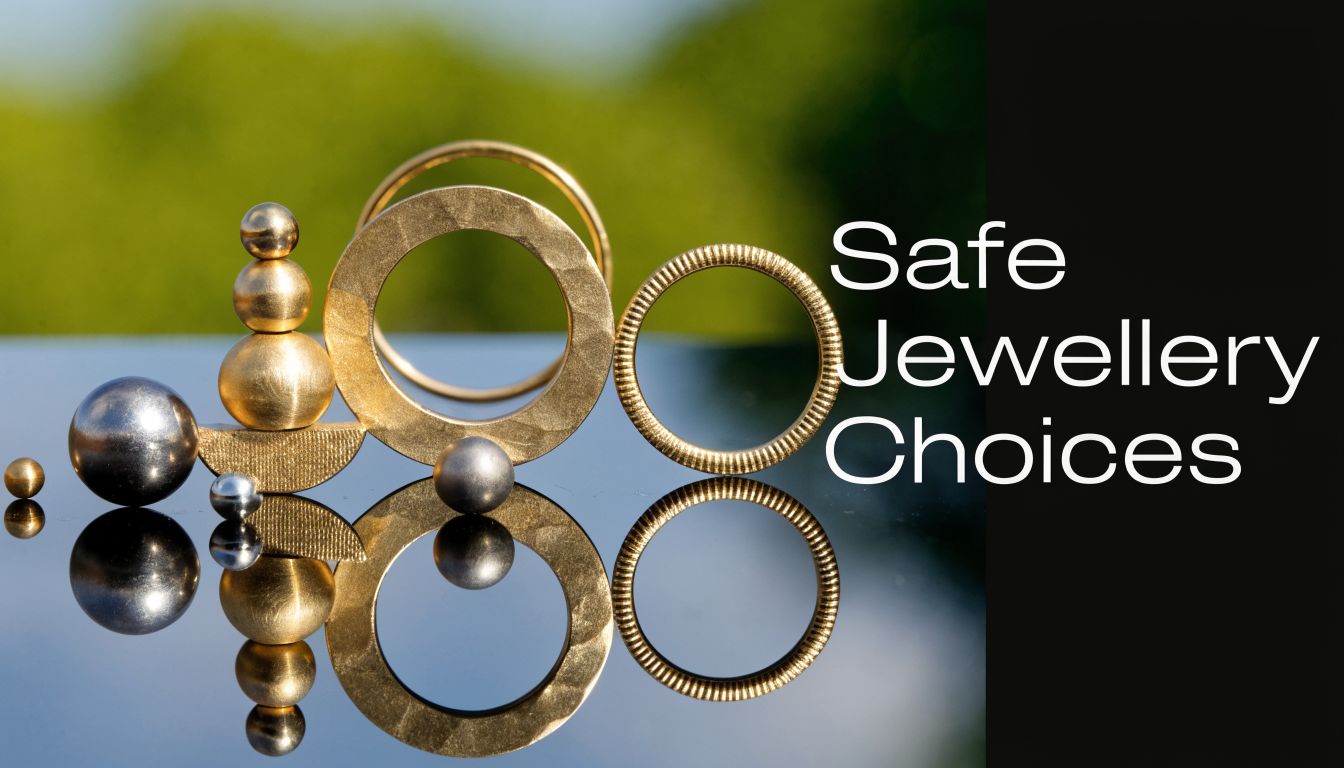
For cartilage work, ASTM F136 implant-grade titanium is the option many professional piercers prefer. It's highly biocompatible and nickel-free, which helps reduce irritation compared with surgical steel. That matters even more in cartilage because it has limited blood supply and is more prone to irritation and scarring during the 6 to 12 week initial healing period (implant-grade titanium guidance).
If you want a deeper look at why studios prioritise this material, it’s worth reading about implant-grade titanium piercing jewellery.
What to look for in first jewellery
For a fresh piercing, safe choices usually include:
- ASTM F136 titanium for strong biocompatibility
- High-karat gold, usually 14K or 18K if it’s suitable quality and finish
- Niobium as another body-safe option
These aren’t just luxury choices. They’re selected because healing tissue is fussy. Fresh cartilage doesn’t like rough finishes, mystery alloys, or decorative coatings that can wear unevenly.
What people often get wrong
“Surgical steel” sounds medical, so many people assume it must be ideal. It isn’t a magic phrase. It’s a broad label, and lower-quality steel can create more irritation than clients expect.
The same goes for:
- Sterling silver in a fresh piercing, which isn’t the go-to choice for healing cartilage
- Plated jewellery, where the surface layer can wear
- Mystery metals from fashion shops, especially if no material details are given
A helpful way to think about it is this. A healing piercing is like fresh skin after a scrape. You wouldn’t want something rough, reactive, or flaky rubbing against it all day.
Style and safety can work together
Good jewellery doesn’t mean boring jewellery. The initial piece may be chosen for healing, but that still leaves plenty of room for style.
You can often choose from options such as:
- Minimal polished titanium ends for a clean everyday look
- Tiny gem settings if they’re appropriate for the placement
- Warm gold tones once the right material and finish are confirmed
Jewellery should look good and behave well. If it only does one of those things, it’s the wrong piece for a fresh piercing.
Ask these questions before saying yes
If you’re sitting in a chair and choosing jewellery, don’t be shy about asking:
- What material is this exactly?
- Is it suitable for an initial cartilage piercing?
- Is the finish smooth and implant-grade?
- Can I start with this shape safely, or should I heal with something simpler first?
A professional piercer won’t be annoyed by those questions. They’ll usually be glad you asked.
Your Piercing Appointment What to Expect
The first appointment feels much easier when you know the rhythm of it. Most of the nerves people bring in are about the unknown, not the piercing itself.
At Timebomb, a cartilage appointment for the ear cuff look usually starts with a proper conversation. Not a rushed “pick a spot and go”, but an actual check of your anatomy, your lifestyle, and the jewellery style you’re aiming for. If you come in with a photo, that helps. If you don’t, that’s fine too.
The consultation
Your piercer will look at the shape of your ear and talk through what will suit it. This is important because the same cuff-inspired look can be built in different ways depending on your cartilage shape.
You might hear questions like:
- Do you sleep on this side?
- Do you wear over-ear headphones often?
- Are you hoping for a stud first and a ring later?
- Have you had irritation with jewellery before?
Those questions aren’t small talk. They help avoid placements that look lovely for five minutes and become awkward in real life.
Jewellery selection and planning
Once placement is agreed, you’ll choose suitable jewellery. For a fresh helix or conch, the starting piece is often selected for healing first and appearance second. That doesn’t mean it won’t look nice. It means your piercer is thinking ahead.
A good piercer balances:
| Priority | Why it matters |
|---|---|
| Fit | Too tight or too loose creates problems |
| Material | Healing tissue needs biocompatible metal |
| Placement angle | Jewellery has to sit naturally in your ear |
| Future goal | A later ring change may influence the initial plan |
Then the area is cleaned, the position is marked, and you’ll be shown the mark in a mirror. This part matters more than people expect. Tiny changes can alter how balanced the whole ear looks.
If the mark doesn’t feel right, say so before the piercing. Good studios would rather adjust it than guess.
The piercing itself
For a professional cartilage piercing, the tool should be a single-use sterile needle. The process is quick. You’ll be guided on how to sit, how to breathe, and when to stay still.
Three parts are commonly noticed:
- A moment of pressure
- A sharp pinch
- Warmth afterwards
That’s usually it. The build-up is often worse than the actual piercing.
You may hear a little movement from tools or jewellery as the piece is fitted. That’s normal. The sensation is odd more than dramatic. For many first-timers, the surprising part is how fast it’s over.
After the jewellery is in
Your piercer will check that the jewellery sits correctly, clean away any small spotting, and talk you through aftercare before you leave. Listen carefully here. The appointment isn’t finished when the needle work is done. Healing starts the minute you stand up from the chair.
Before you go, make sure you know:
- How to clean it
- What not to touch it with
- What’s normal in the first few days
- When to come back if you’re worried
What to bring and how to prepare
Simple prep makes the appointment smoother:
- Eat beforehand so you’re not light-headed
- Tie long hair back if possible
- Wear easy access clothing around the neck and ears
- Skip heavy hair product near the ear on the day
If you’re nervous, tell your piercer. Seriously. We’d rather know. A calm client who asks questions usually has a better experience than a silent one trying to act brave.
Aftercare The Complete Healing Guide
A fresh ear cuff piercing doesn’t need complicated care. It needs consistent care. Most healing issues come from over-cleaning, touching, sleeping on it, or changing jewellery too soon.
One reason good aftercare matters so much is that ear hygiene is often misunderstood. Non-piercing jewellery like cuffs can still irritate the ear when it's worn too tightly or for too long, especially without guidance on fit, wear and cleaning.). That confusion doesn’t magically disappear when a piercing is involved. If anything, it makes proper advice more important.
For day-to-day cleaning, keep it simple with a proper saline spray for piercing aftercare.
Your basic routine
Many individuals thrive with a routine like this:
- Clean gently with sterile saline as advised by your piercer
- Let water run over it in the shower without scrubbing
- Pat dry with clean disposable paper if needed
- Leave it alone the rest of the time
That last point is the one people struggle with most. Looking at it in the mirror is fine. Twisting it, pushing it, or checking if it “still moves” is not helpful.
What’s normal
Cartilage can be moody. Normal healing signs often include:
- Mild swelling
- Tenderness
- Warmth
- Small crusts around the jewellery
Crusts aren’t dirt. They’re dried lymph and part of healing. Think of them like the little edge that forms on a healing graze. They don’t need picking off.
Clean hands aren’t a licence to touch your piercing. If you don’t need to handle it, don’t.
What gets in the way of healing
Daily life is usually the biggest nuisance. Not the piercing itself.
Common troublemakers include:
| Problem | Why it matters |
|---|---|
| Sleeping on that side | Adds pressure and irritation |
| Hair catching around the jewellery | Creates tugging and bacteria transfer |
| Headphones and earbuds | Can rub depending on placement |
| Hats, scarves, and helmet straps | Put repeated pressure on cartilage |
If you’ve had a helix done, be careful with hairbrushes, phone screens, and hoodies. If it’s a conch, watch anything that sits inside or presses into the ear.
What not to use
People mean well, then reach for the wrong products. Avoid putting random solutions on a healing piercing.
Skip things like:
- Tea tree oil
- Alcohol
- Hydrogen peroxide
- Thick ointments
- Homemade salt mixes unless your piercer specifically advises them
These can dry, irritate, or interfere with the tissue.
When to get advice
A healing piercing can be grumpy without being infected. That’s why panic-googling often makes things worse. If something feels off, contact your piercer first.
Get professional guidance if you notice:
- Pain that keeps getting worse rather than settling
- Significant swelling that makes the jewellery feel tight
- Hot, angry irritation that doesn’t ease
- Any discharge that worries you
- The jewellery starting to sit at a strange angle
The best healers are usually the least dramatic healers. They’re cleaned properly, left alone, and given time.
Book Your Ear Cuff Piercing Today
If you love the cuff look but want something more secure, more comfortable, and more fitted to your ear, a professionally placed cartilage piercing is usually the better long-term choice. The style may look effortless, but the result depends on good placement, quality jewellery, and proper aftercare.
Timebomb Tattoo & Piercing helps clients in both Croydon and Bournemouth turn inspiration photos into realistic, wearable piercings. That means looking at your anatomy properly, recommending jewellery that supports healing, and making sure you leave with clear advice instead of guesswork.
Contact Timebomb
If you’d like to ask a question before booking, contact the studio directly:
- Phone: 01202 900050 (Bournemouth) / 020 8686 7730 (Croydon)
- WhatsApp: 07752 913846 (Bournemouth) / 07902 490584 (Croydon)
Bournemouth studio
For clients on the South Coast, the Bournemouth studio is a convenient option for consultations, walk-ins, and booked appointments. If you’re ready to arrange your visit, you can book your Bournemouth piercing appointment.
Croydon studio
If you’re based in London or nearby, the Croydon studio offers the same supportive approach for first-timers and experienced clients. To plan your visit, use the Croydon piercing studio booking page.
The best ear cuff piercings don’t come from copying a trend exactly. They come from choosing a placement that suits your ear, jewellery that suits your body, and a studio that takes both seriously.
Whether you want a subtle helix, a bold conch, or a full curated ear over time, it’s worth doing it properly from the start.
Frequently Asked Questions About Ear Cuff Piercings
How much do ear cuff piercings cost?
Prices vary by studio, placement, and jewellery choice. The final price usually depends on the piercing itself and the material you choose for the initial jewellery. The easiest way to get an accurate figure is to contact the studio with the placement you want.
Do ear cuff piercings hurt more than lobe piercings?
Cartilage usually feels sharper and more pressurised than a soft lobe piercing. It is generally still found to be very manageable. The anticipation is often worse than the actual moment.
Can I wear headphones or earbuds while it heals?
Sometimes yes, sometimes no. It depends on the placement and how your headphones sit on your ear. A conch can clash with earbuds, while a helix may be irritated by over-ear pressure. If in doubt, switch to the option that avoids contact with the piercing.
Can I get both ears done at the same time?
You can, but think practically. If you sleep on both sides, healing can become awkward fast. Many people do better starting with one side so they’ve always got a comfortable side to sleep on.
When can I change the jewellery?
Not until the piercing is properly healed and your piercer says it’s ready. Cartilage often looks settled before it is fully healed. Changing jewellery too early is one of the most common ways to set healing back.
What should I do if I think something’s wrong?
Contact your piercer first. Don’t remove the jewellery on your own unless a medical professional tells you to. Don’t start experimenting with harsh products either. A quick professional check is usually the safest next step.
If you’re looking for trusted guidance before booking, Piercing Near Me helps you explore safe, professional options for ear cuff piercings and other placements, with clear advice, studio information, and easy booking for Timebomb’s Croydon and Bournemouth locations.
Trackbacks/Pingbacks