
You've probably seen it on someone with a perfectly curated ear. A silver hoop in one lobe, a warm gold stud in the helix, maybe a chain tying two placements together. It looks relaxed, expensive, and effortless.
Then the practical questions start. Will silver and gold mixed jewelry look intentional on you, or just mismatched? Can you wear mixed metals in piercings without irritating your skin? And if you've got a healing piercing, is the look even safe?
Those are the right questions. In fashion jewellery, mixing metals is mostly a styling choice. In piercings, it's a styling choice with consequences. The piece has to look good, sit properly, and be made from a material your body can tolerate for long wear.
That's where people get caught out. They buy a “silver look” ring, a gold-toned stud, or a plated clicker, then assume colour is the main decision. It isn't. Material comes first. Once that's sorted, the styling becomes much easier.
The Mixed-Metal Look You Love With the Safety You Need
A lot of clients want the same thing. They like the contrast of cool silver and warm gold, but they don't want their piercings to pay the price for it. That hesitation is sensible, especially if the jewellery is going into a helix, conch, nostril, or septum that still gets irritated easily.
In the studio, the difference is obvious. A mixed-metal look can read polished and modern when the pieces are chosen with intent. The same idea can look chaotic, or worse, cause irritation, when someone mixes plated fashion jewellery with body jewellery and hopes for the best.
Practical rule: If the jewellery is going through skin, treat it as body jewellery first and an accessory second.
That doesn't mean you're limited to a clinical look. It means the best silver and gold mixed jewelry for piercings uses body-safe metals, thoughtful placement, and restraint. A silver-toned implant-grade titanium piece next to a solid gold end can give the two-tone effect people want, without relying on mystery alloys or fragile plating.
What usually works best
- Healed ear curations: Mixed tones are easiest in fully healed lobes, helix piercings, and conch placements where you can wear a few pieces at once.
- Face piercings with one anchor point: A silver-toned septum and small gold nostril stud can look deliberate when the shapes relate to each other.
- One focal piece plus support pieces: Start with a centrepiece, then build around it instead of buying random mixed items.
What usually goes wrong
- Too many finishes at once: Polished, hammered, matte, and crystal-set pieces all competing.
- Plated jewellery in sensitive piercings: It may look fine at first, then wear down and expose whatever sits underneath.
- Ignoring comfort: A beautiful stack that rubs all day won't stay beautiful for long.
The best mixed-metal piercing curation always does two jobs. It gives you the contrast you want, and it respects healing, skin sensitivity, and long-term wear.
Understanding The Art of Mixing Gold and Silver
Mixed metals work when they look chosen, not accidental. Think of them the same way you'd think about layering fabrics or combining different finishes in an outfit. The eye needs repetition, balance, and at least one detail that ties the whole arrangement together.
The reason this style feels so natural in Britain isn't just trend cycling. There's a long craft tradition behind it. The historical foundation for silver-and-gold mixed jewellery in the UK is tied to regulated goldsmithing and silversmithing, and the UK hallmarking system for precious metals is one of the world's oldest consumer-protection systems. That long history helped establish gold-and-silver combinations as a credible part of British jewellery design, not just a passing fad, as discussed in this overview of gold and silver history and hallmarking in Britain.
Tone matters, but shape matters more
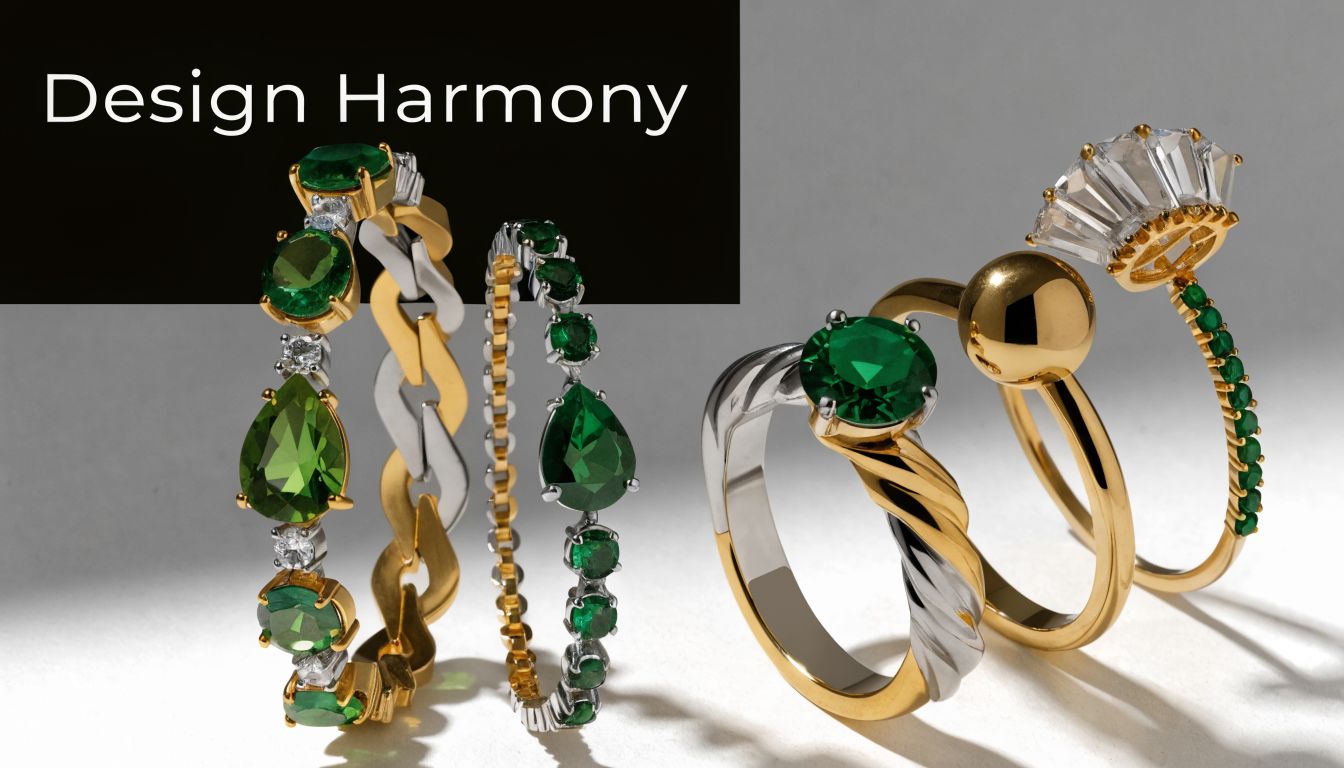
Yellow gold brings warmth. Silver brings brightness and a cooler edge. On paper, they contrast. On the body, they can still feel cohesive if the forms relate.
A tiny gold ball end and a tiny silver ball end often work better together than a heavy silver hoop and an ornate gold charm. The issue usually isn't the metal colour. It's the mismatch in visual weight.
Mixed-metal styling looks strongest when colour changes, but scale stays controlled.
How to make the mix feel deliberate
Use these checks when building a look:
- Repeat each tone at least once: If you wear one gold piece, add another gold detail somewhere else so it doesn't look isolated.
- Keep shapes related: Hoops with hoops, bead ends with bead ends, clean lines with clean lines.
- Let one piece lead: A chain, charm, or standout ring should anchor the look instead of competing with everything around it.
For ear curation, a good starting point is a clean pair of silver huggie earrings in the UK paired with one or two warmer accents elsewhere in the ear. That gives contrast without forcing every piercing to perform.
The look isn't random
When silver and gold mixed jewelry looks expensive, it's rarely because the wearer bought louder pieces. It's because they edited well. The metals differ, but the jewellery still speaks the same design language.
Body-Safe First Implant-Grade Metals for Piercings
For piercings, colour should never be the first question. The first question is what the jewellery is made from.
That's especially important for anyone with reactive skin, slow-healing cartilage, or a history of irritation. UK allergy data shows nickel contact allergy is common, and many lower-cost “silver” or mixed-metal pieces can contain nickel in alloys or platings. That's one reason professional piercers steer new or sensitive piercings toward implant-grade titanium, niobium, or solid gold instead of uncertified fashion jewellery, as outlined in this discussion of gold, silver, and jewellery sensitivity.
What implant-grade actually means in practice
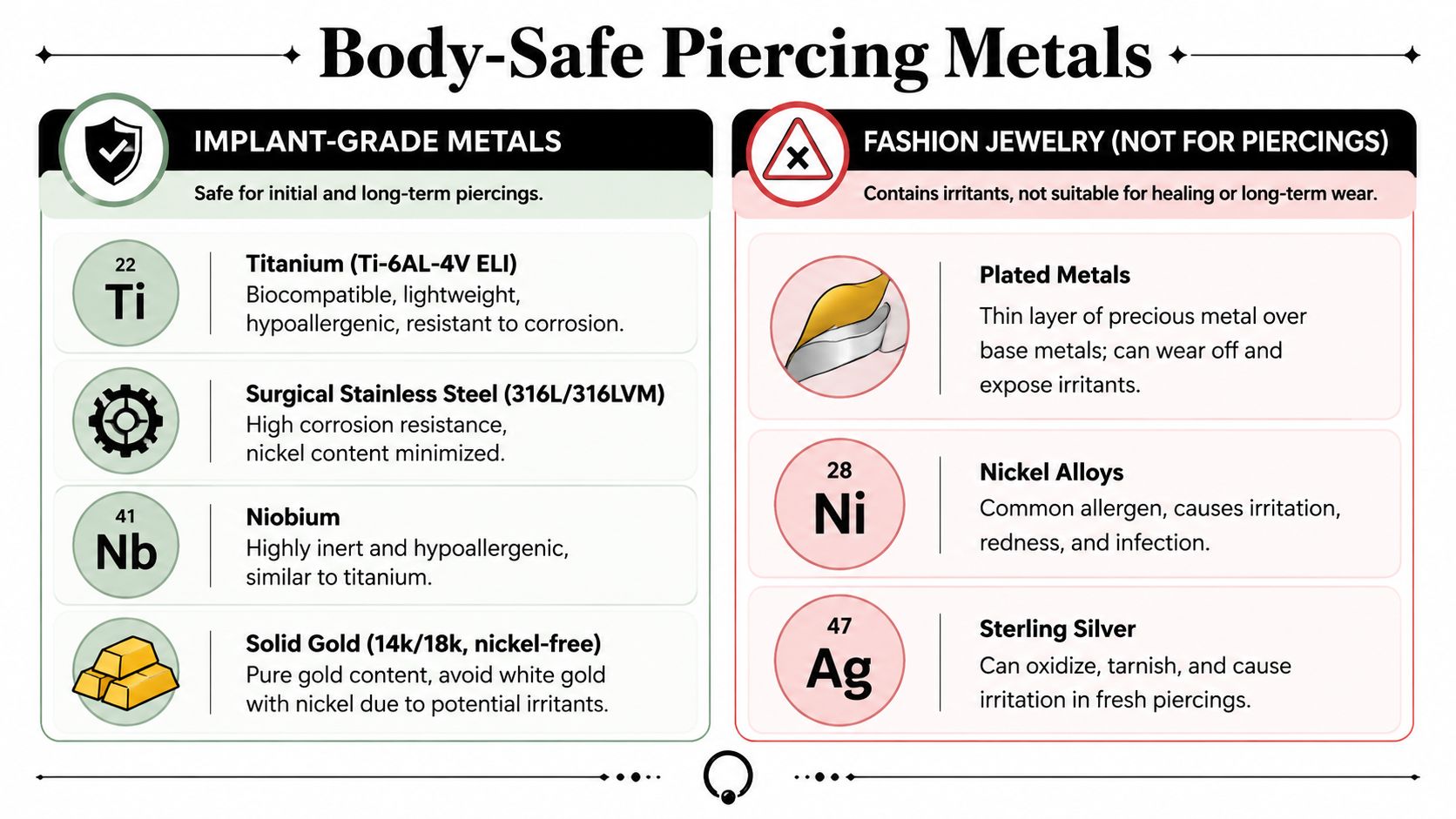
When a piercer talks about implant-grade jewellery, they mean materials chosen for biocompatibility and long-term wear in the body. In real terms, these are the materials worth focusing on:
- Titanium: Lightweight, stable, and widely trusted for initial and long-term wear. It gives you a silver-toned look without relying on sterling silver.
- Niobium: Another excellent option for sensitive clients. It has a darker silver appearance and performs well in piercings.
- Solid gold: Usually best when it's a high-quality, body-safe piece intended for piercing use. Gold can look beautiful in healed and fresh piercings when the design and alloy are appropriate.
By contrast, many fashion pieces are built for occasional wear on the outside of the body, not continuous contact inside a piercing channel.
What tends to cause problems
Sterling silver has a strong visual appeal, but it's not my first recommendation for fresh piercings. Plated jewellery creates another common problem. The outer finish can wear away, and once that happens, the base metal matters more than the original colour ever did.
This is also why “silver and gold mixed jewelry” can mean two very different things. In one version, it means carefully selected implant-grade titanium with solid gold details. In the other, it means decorative jewellery with coatings and unknown alloy content. Those are not equal options.
| Material | Best for New Piercings? | Key Risk | Verdict |
|---|---|---|---|
| Implant-grade titanium | Yes | Limited if correctly manufactured and fitted | Best all-round silver-toned choice |
| Niobium | Yes | Fewer design options in some styles | Strong option for sensitive skin |
| Solid gold | Yes, when body-safe and well-made | Poorly chosen alloys can still irritate | Excellent in the right piercing jewellery |
| Sterling silver | No | Tarnish, softness, irritation risk in fresh piercings | Better for occasional wear in healed placements |
| Plated metals | No | Plating can wear off and expose irritants | Avoid for healing piercings |
| Nickel-containing alloys | No | Common trigger for irritation | Avoid |
A lot of clients who want a silver-and-gold look do best with a titanium base and gold attachment ends. If you're choosing pieces for cartilage or facial work, start with professional titanium piercing jewellery and build the colour story from there.
The safest mixed-metal piercing is often the one that doesn't use silver at all. It uses silver-toned titanium instead.
The hard line worth keeping
Fashion jewellery and body jewellery aren't interchangeable. A ring that's fine for dinner or a few hours out may still be wrong for a conch, nostril, rook, or septum worn all day, every day. If the piercing is fresh, irritated, or prone to bumps, material quality stops being a preference and becomes the deciding factor.
How to Style Your Mixed-Metal Piercing Curation
Once the material side is handled properly, styling gets fun. The easiest way to make silver and gold mixed jewelry look polished is to control three things: finish, balance, and connection.
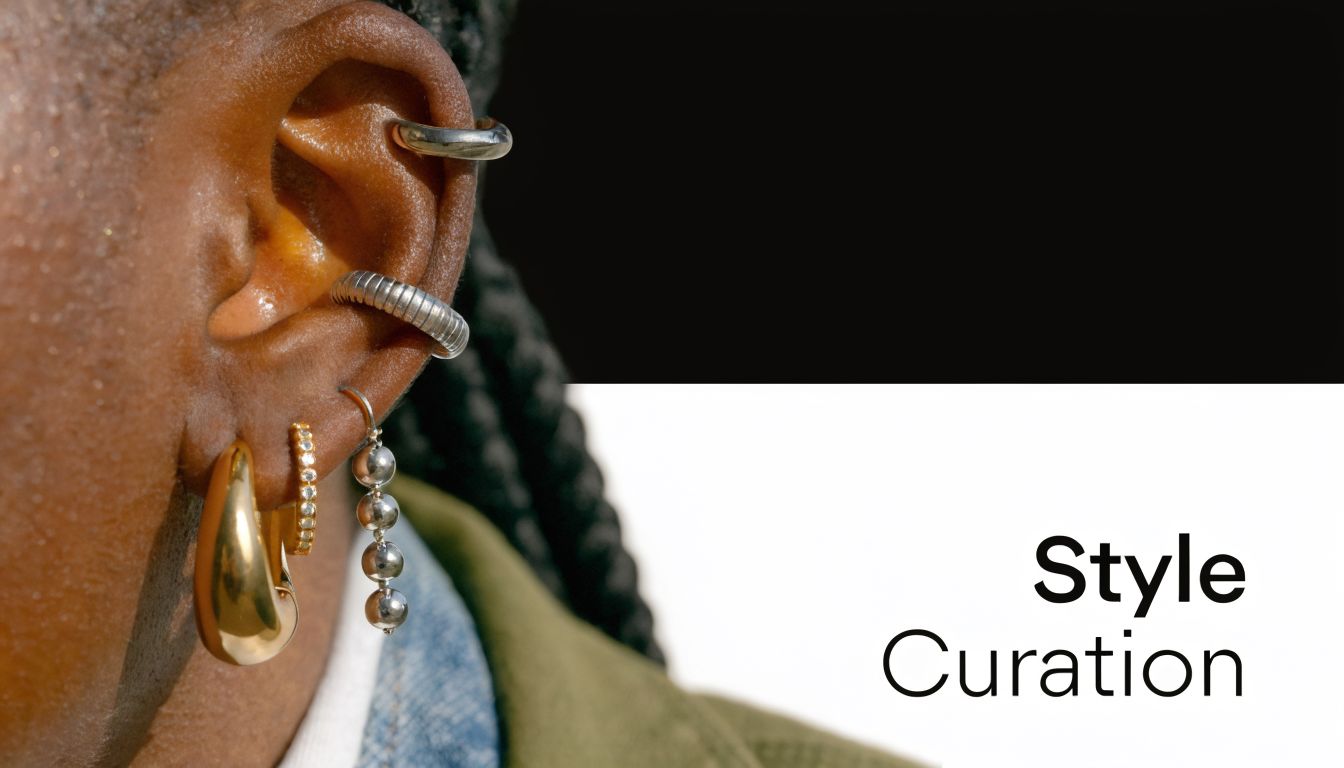
Jewellers often point to the same core principle. Mixing pieces with similar surface finishes, such as polished with polished or matte with matte, helps reduce visual clutter. A bridge piece that already contains both metals, plus balanced distribution across the look, makes the curation feel intentional, as explained in this guide to mixing silver and gold jewellery with cohesive finishes.
Start with a bridge piece
A bridge piece is the item that makes the whole look make sense. In piercings, that could be:
- A titanium hoop with a gold charm
- A gold end on a titanium labret
- A two-tone chain linking two ear placements
Once that piece is in place, the rest of the jewellery doesn't have to explain itself. It already has context.
Three curation formulas that work
Ear stack with contrast
Use a silver-toned base in one or two placements, then bring in small gold accents higher up the ear. For example, silver-toned huggies in the lobe with a gold helix stud often looks cleaner than alternating every single placement.
Septum and nostril pairing
A silver-toned septum ring can work beautifully with a tiny gold nostril end. The trick is keeping one of those pieces understated. If both are highly decorative, the contrast can start to feel busy.
Conch or flat as the anchor
Choose one stronger feature for the middle of the ear, then support it with quieter metals around it. A chain, marquise fan, or cluster in the conch or flat can hold the whole curation together.
Styling note: Match the finish before you match the size. Two polished pieces in different metals usually sit together better than a polished piece beside a heavily textured one.
A simple checklist before you commit
Ask yourself these questions in the mirror:
- Does each metal appear more than once?
- Do the finishes match or at least relate?
- Is one piece clearly leading the look?
- Would this still look good if one piece had to come out during healing?
That last question matters more than many realize. The best curated ears and facial combinations still look intentional when life happens, jewellery needs downsizing, or a healing placement needs a quieter piece for a while.
Long-Term Care for Silver and Gold Jewellery
Mixed metals are workable in daily wear because silver and gold don't react with each other in normal use. The issue isn't chemistry. It's wear behaviour.
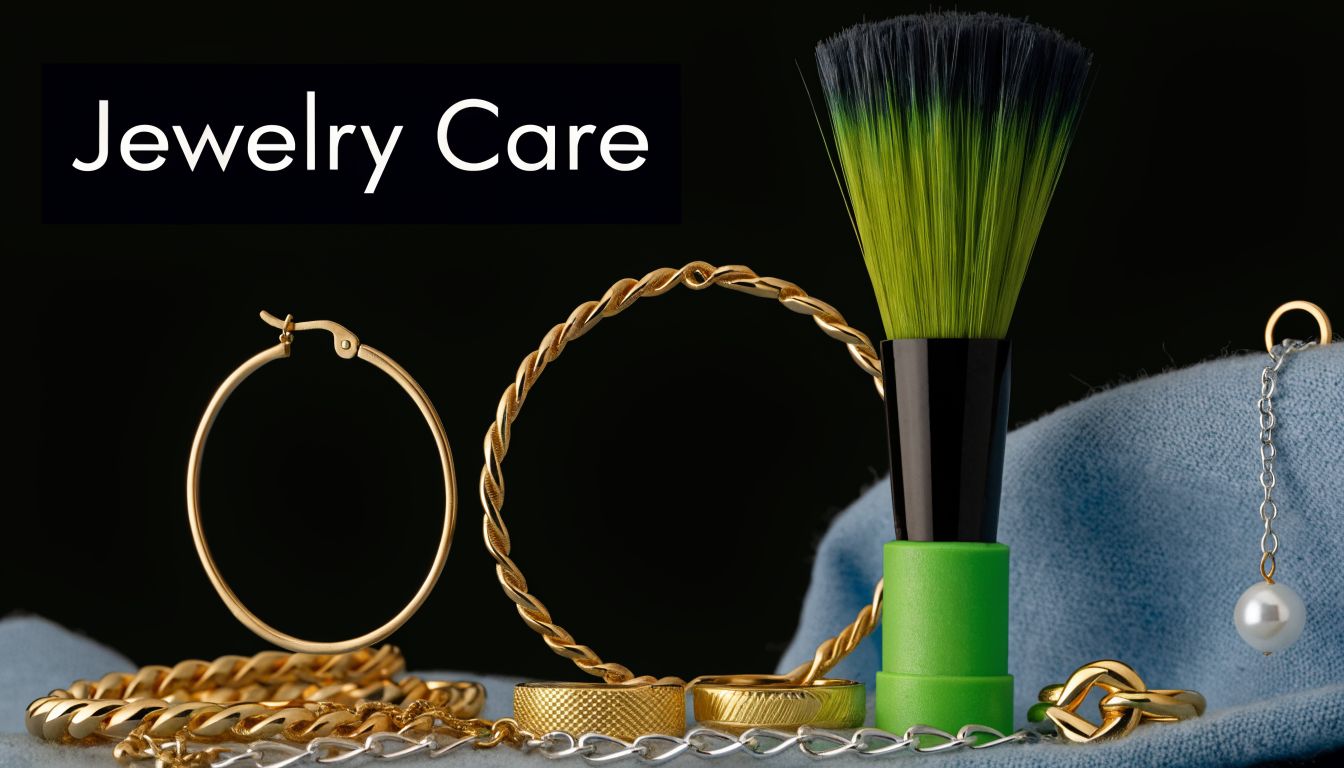
Sterling silver is softer and more prone to tarnish and surface marks than gold. In stacked jewellery, the silver part will usually show wear faster, so spacing or alternating placement helps reduce abrasion and preserve the finish, as noted in this guide to maintaining mixed silver and gold jewellery.
The low-effort routine that keeps pieces looking good
You don't need an elaborate kit. You do need consistency.
- Wipe after wear: A soft cloth removes oils and residue before they dull the surface.
- Store pieces separately: This matters most if you own softer silver items that can rub against harder pieces.
- Don't force tight stacks: If two rings, hoops, or charms constantly grind together, the softer metal pays for it.
- Clean gently: Use non-abrasive methods that won't strip finishes or scratch polished surfaces.
Piercing-specific care
Jewellery that sits in a piercing needs a little more restraint than jewellery you take on and off casually. If a piercing is still healing, don't remove the jewellery just to “give it a proper clean”. Focus on the piercing itself and follow your aftercare plan.
For daily piercing aftercare, a proper saline spray for piercing care is far more useful than household shortcuts or harsh cleansers. If the jewellery is in a healed piercing and you're removing it for cleaning, dry it carefully before reinserting it.
Jewellery can be durable and still show damage if it's rubbing in the same contact points every day.
Storage and wear habits that help
A few habits preserve mixed-metal pieces far better than aggressive polishing ever will:
- Rotate heavier pieces: Don't wear the same rubbing stack every day.
- Give silver room: If a silver charm or ring keeps knocking a harder neighbour, separate them.
- Check clasps, hinges, and threads: A beautiful curation fails quickly if one fitting loosens.
If you love the look of silver and gold mixed jewelry, maintenance is mostly about friction control and gentle cleaning. Keep the finish intact, and the styling keeps its crispness.
Choose Your Implant-Grade Jewellery in Croydon and Bournemouth
The best mixed-metal look doesn't come from guessing. It comes from choosing the right base materials, understanding what your skin can tolerate, and building a curation that still works when the jewellery is worn every day.
That's especially true with piercings. A great-looking combination isn't enough if the metal quality is poor, the finish wears away, or the piece puts stress on a healing placement. Good styling and good piercing practice should support each other.
In Croydon and Bournemouth, clients often want help with both sides of that decision. They want jewellery that feels refined, but they also want someone to explain what's safe for a fresh helix, what's better left for fully healed lobes, and how to get a silver-and-gold effect without relying on unsuitable materials.
Timebomb Tattoo & Piercing handles that process properly. The studio team can help you choose implant-grade options, compare silver-toned titanium with solid gold details, and build a curation that suits your anatomy instead of copying a photo that won't wear well in real life.
If you want advice on mixed-metal styling, body-safe jewellery, or a new piercing appointment, call 01202 900050 (Bournemouth) / 020 8686 7730 (Croydon) or send a WhatsApp message to 07752 913846 (Bournemouth) / 07902 490584 (Croydon). If you're unsure whether a piece is safe, bring that question before you buy more jewellery. It's much easier to build a strong curation from good materials than to fix irritation caused by the wrong ones.
If you're ready to find safe, stylish options for silver and gold mixed jewelry, Piercing Near Me is the place to start. Explore trusted studios, get clear guidance on implant-grade jewellery, and book with professionals who take both aesthetics and piercing health seriously.
Trackbacks/Pingbacks